Zallinger Dolomites. At 2,054 metres, the noise stops
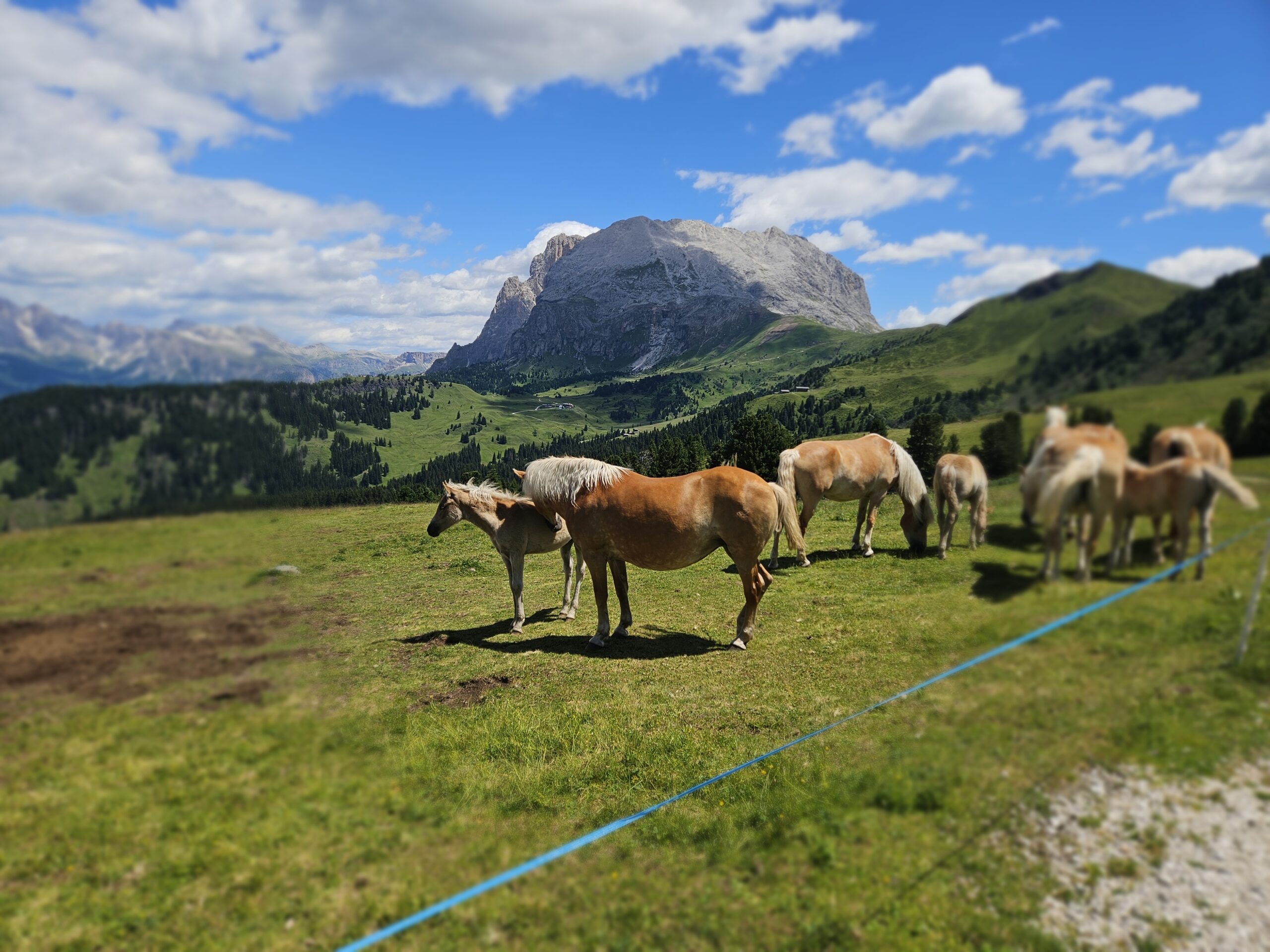
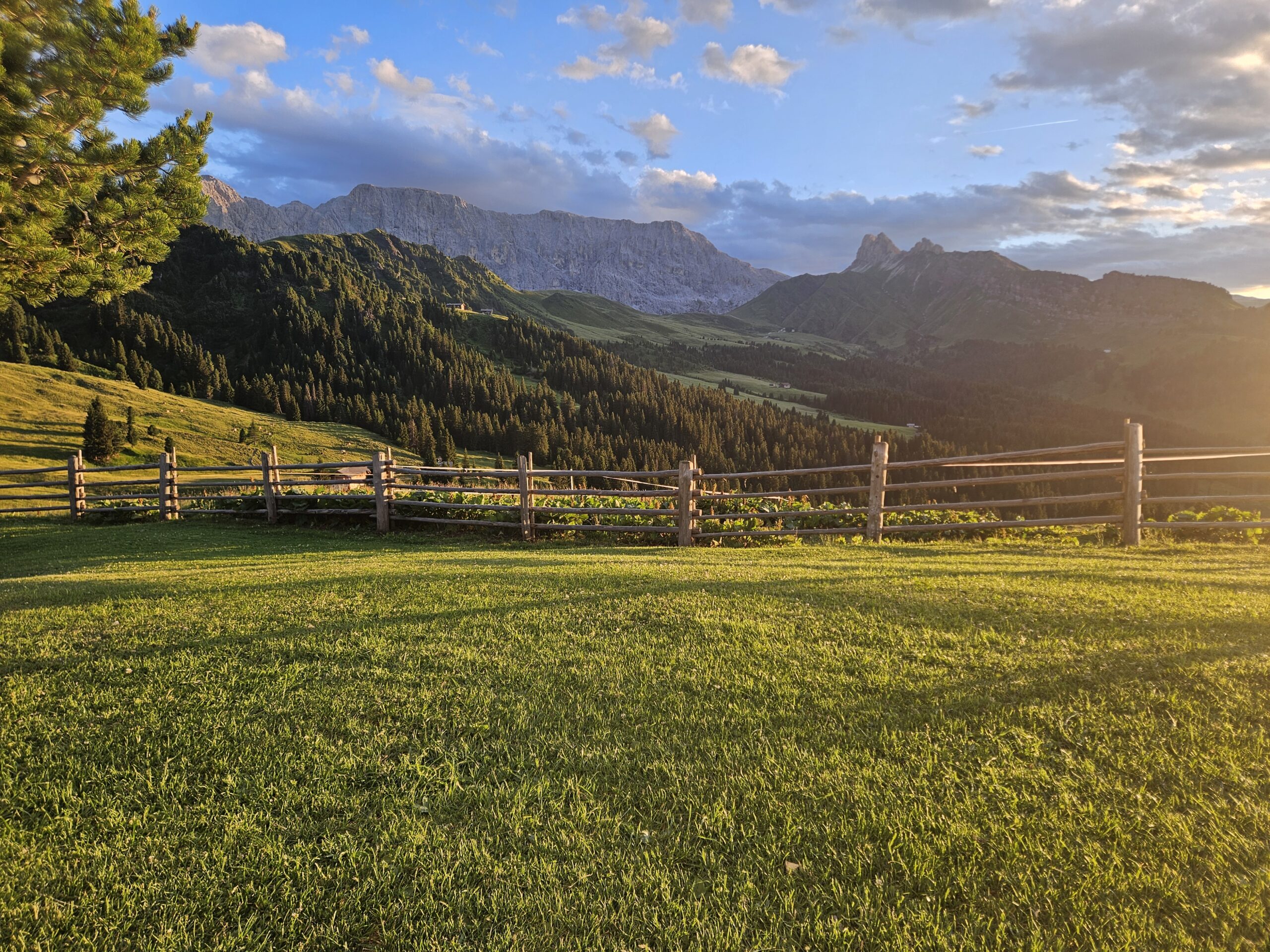
I’m standing in front of the house, it’s just past six, and the first thing I see are the Haflingers. They’re grazing freely across the meadow, while somewhere in the distance the sound of cowbells drifts over. No car has found its way up here – anyone arriving parks in the valley and lets the Zallinger shuttle bring them up. The fog still hangs low between the meadow ridges, and somewhere behind it, invisible in this moment, Schlern and Rosengarten are waiting to be released by the sun.
I’ve seen many high alpine pastures over the years. Most of them sell their stillness. Zallinger simply lives it – and that’s a difference you only understand once you’ve stayed a few days.
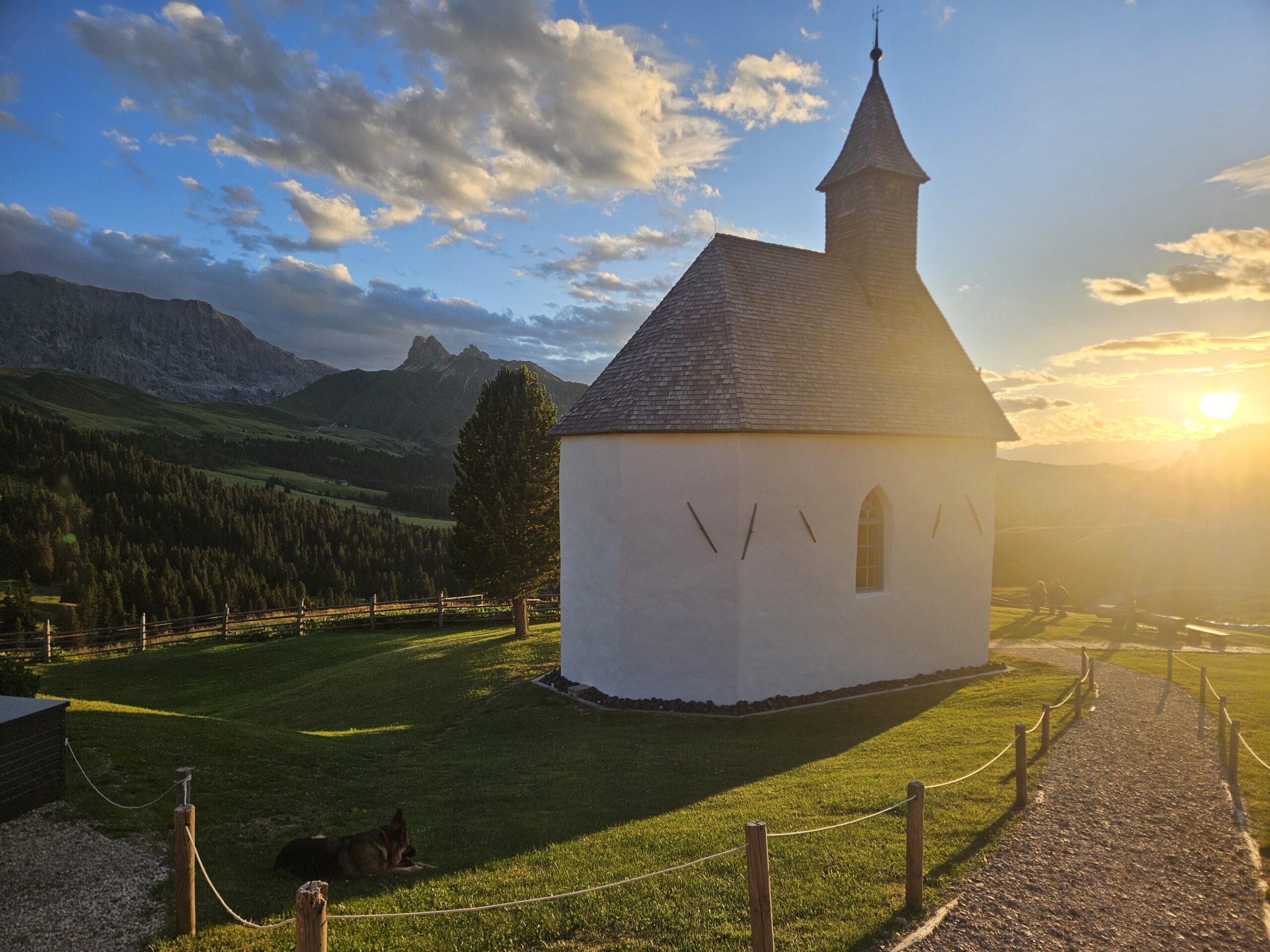
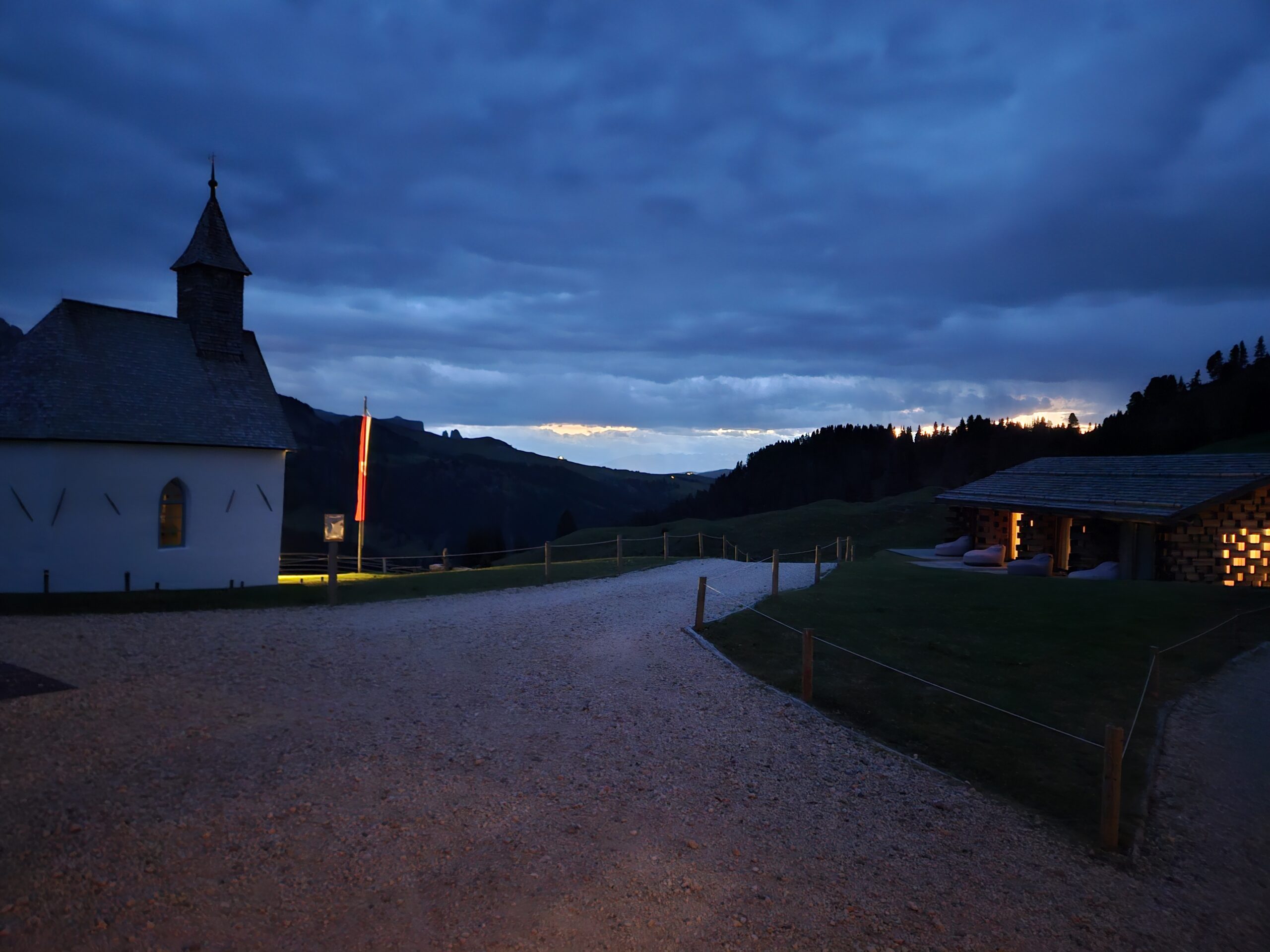
Luisa and Markus run the house, and you notice it right away: this isn’t a business, it’s their life. The centuries-old barns of the alp have become six chalets, alongside the lovingly restored main house – old and new so interwoven that you can barely tell where one ends and the other begins.
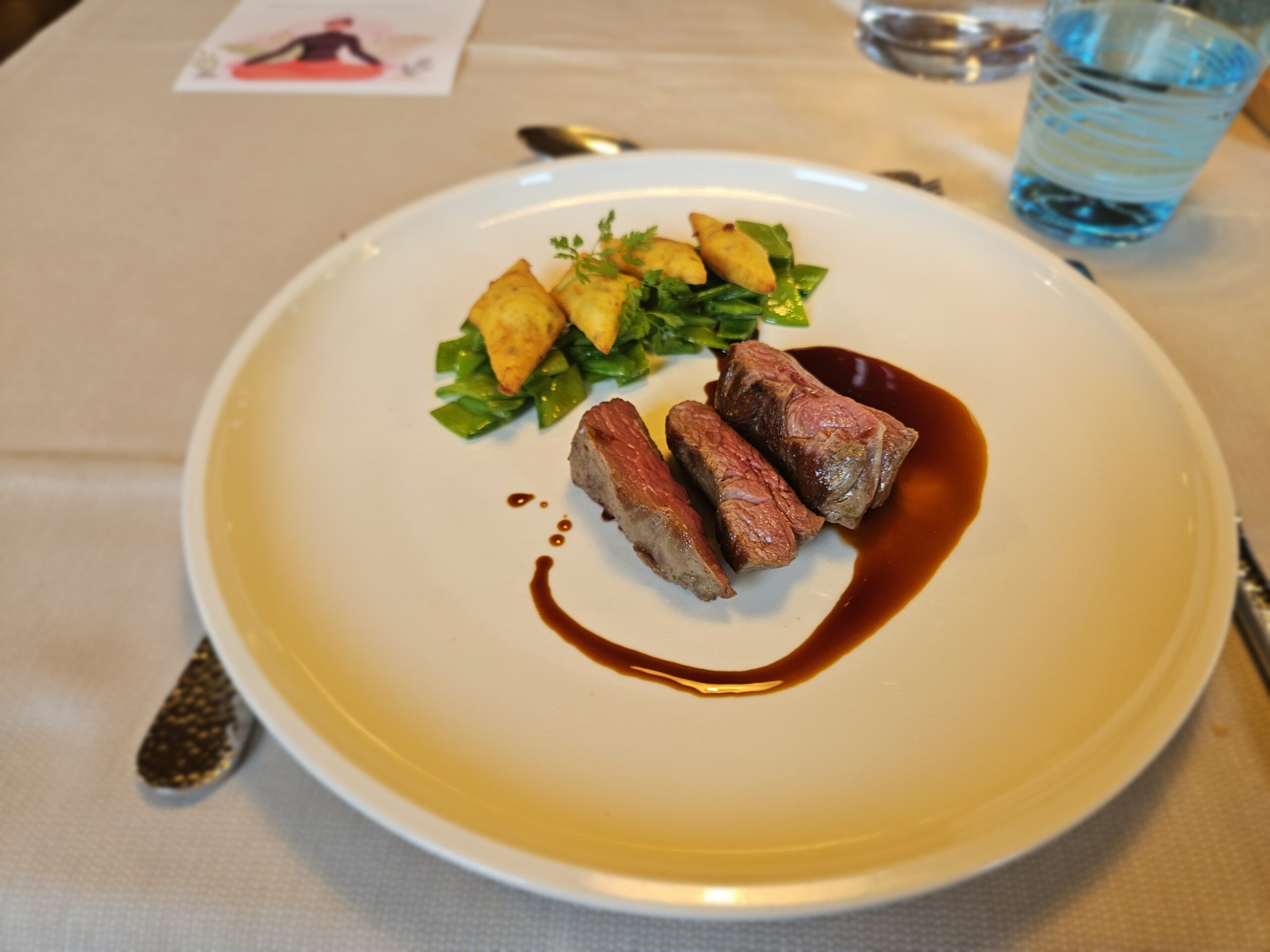
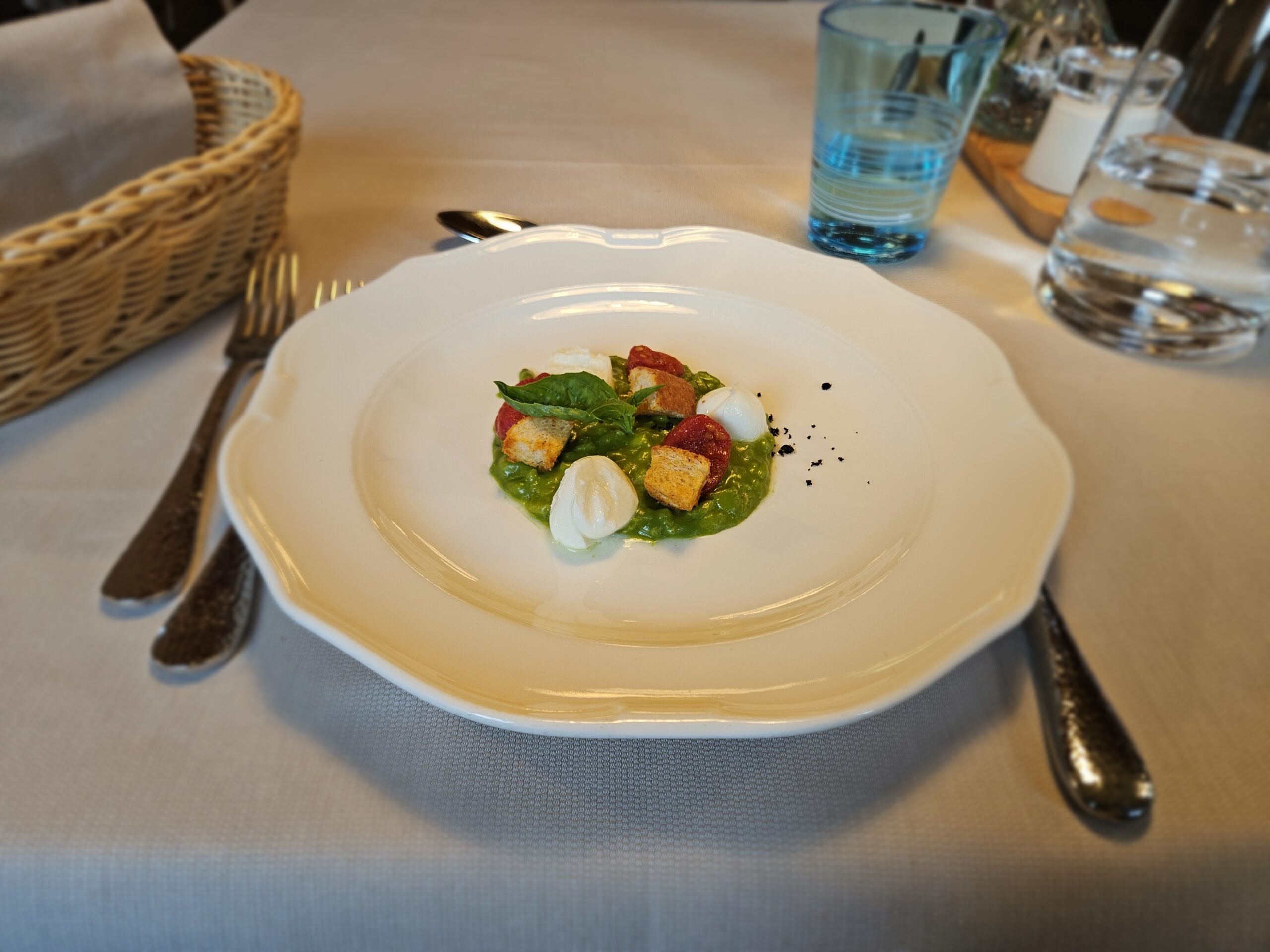
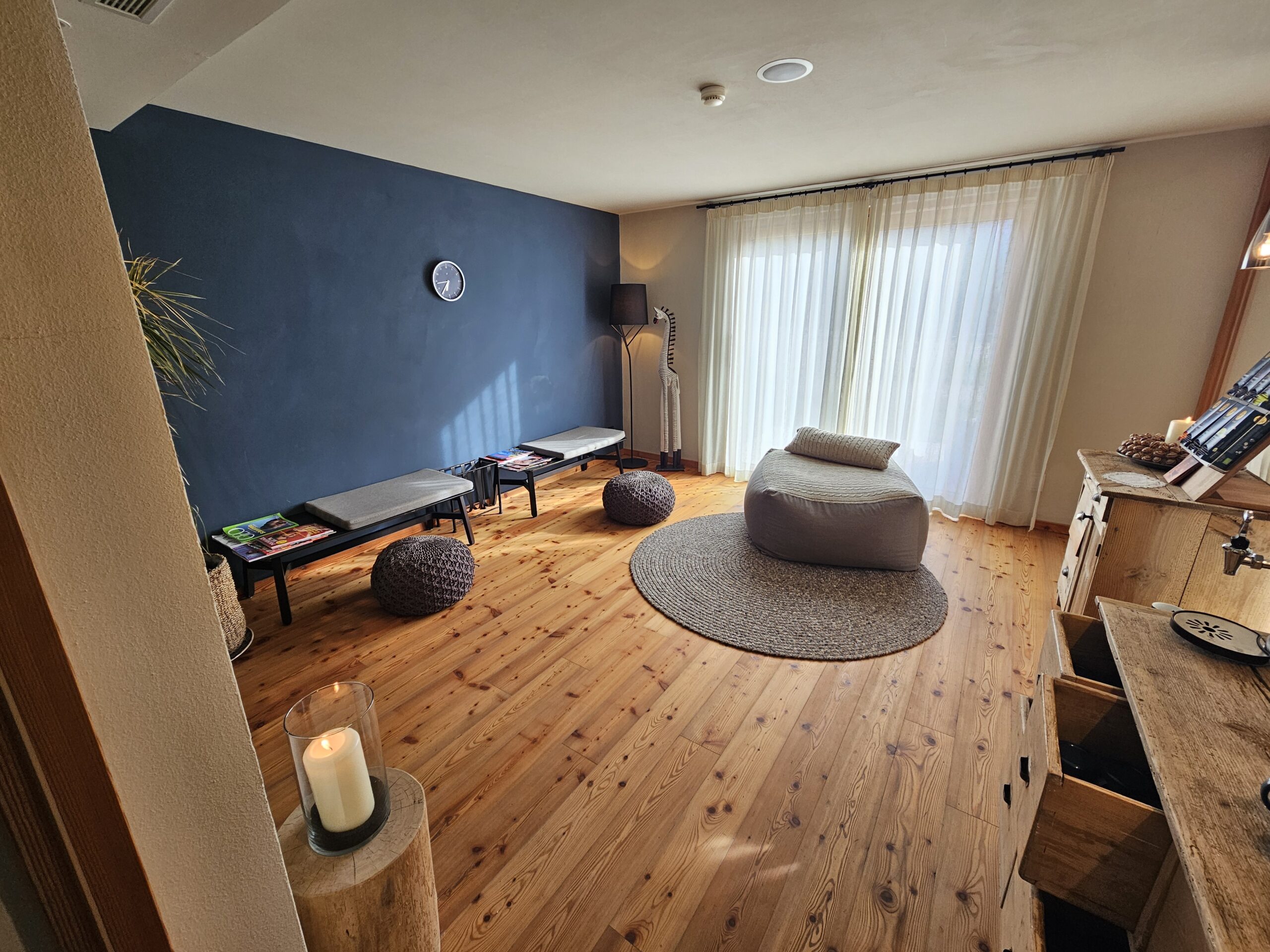
Yoga starts at eight – not outdoors, but in the sauna’s relaxation room, warm and smelling of wood. You roll out your mat on the floor that still holds the warmth from the night before, and at some point the group starts moving on its own. Breakfast follows, and already here you notice how seriously tradition is taken. The salami on your plate is venison, made in-house – Markus hunts himself, and what he brings home, he and the kitchen team turn into dishes you won’t taste anywhere else. No label, no story told to impress – it simply tastes the way it’s supposed to.
At some point during your stay – not as a fixed ritual, more as an opportunity that arises – there’s schnapps. Herb schnapps, several kinds, but the one people talk about longest is the yarrow schnapps. Bitter, strong, with an aftertaste that recalls the meadows you just walked through. You drink it in small glasses and small sips, and you realise: this is not a product made for tourists. It’s something the people here made for themselves, long before anyone thought to ask if they could try it too.
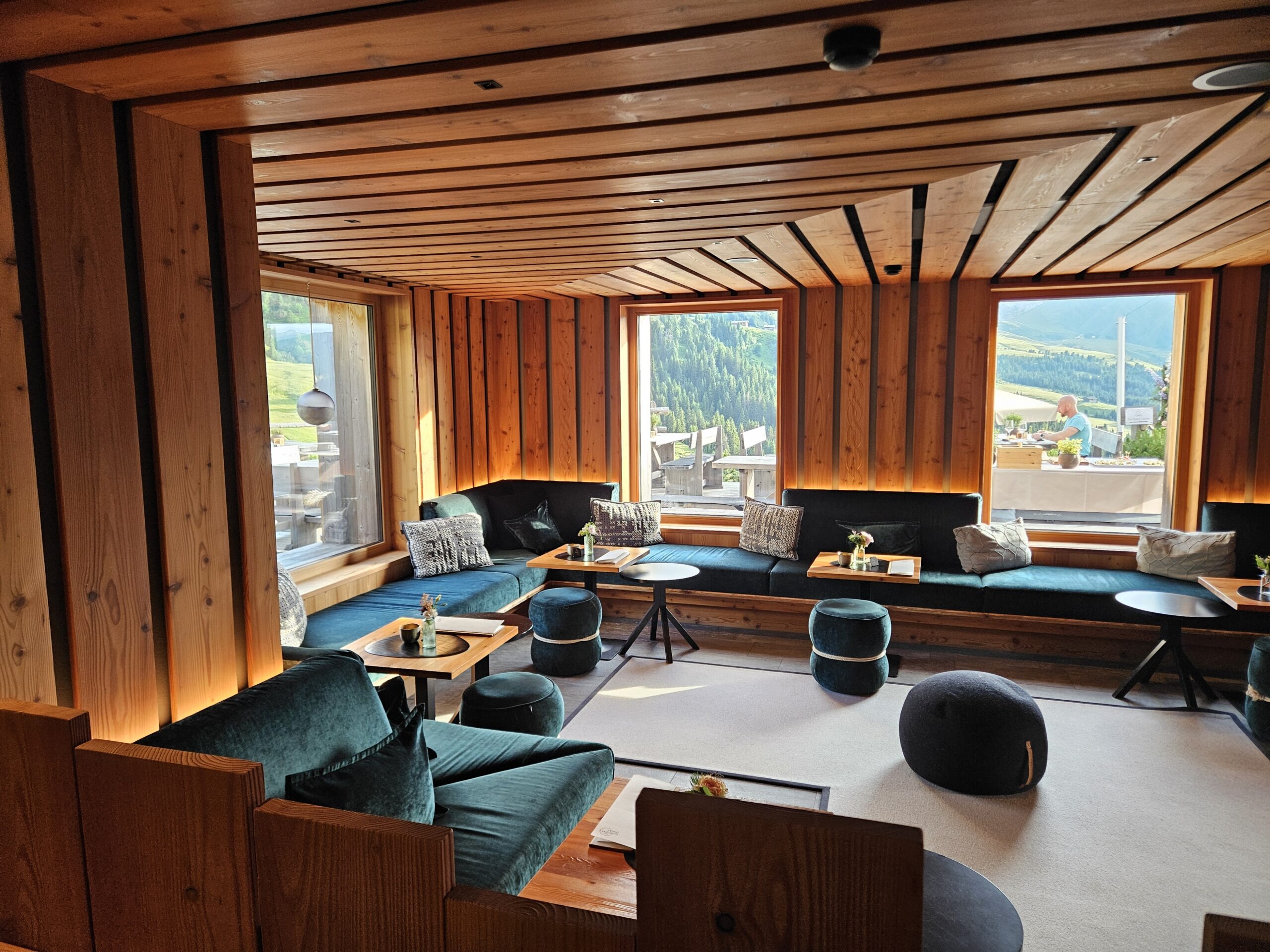
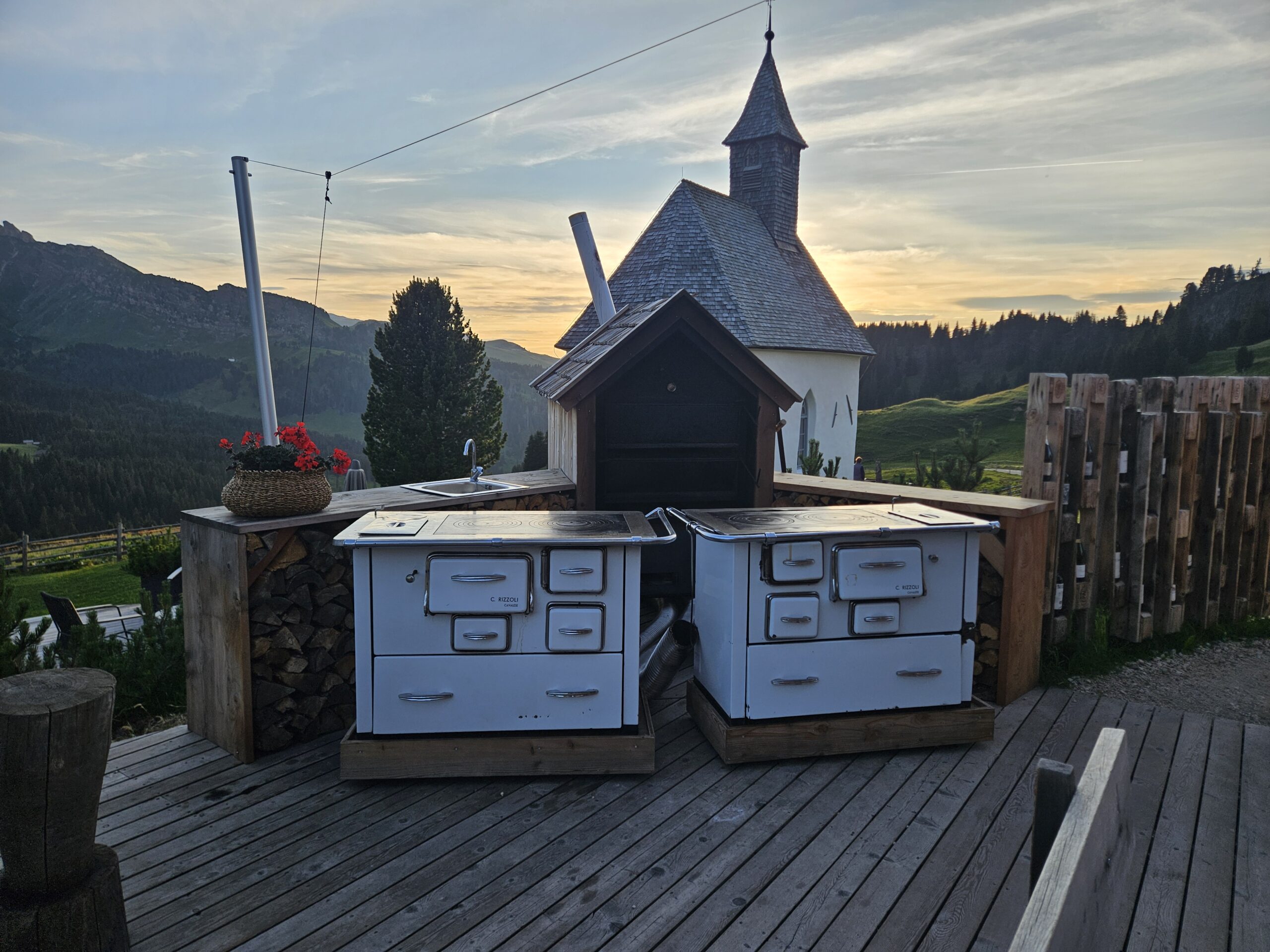
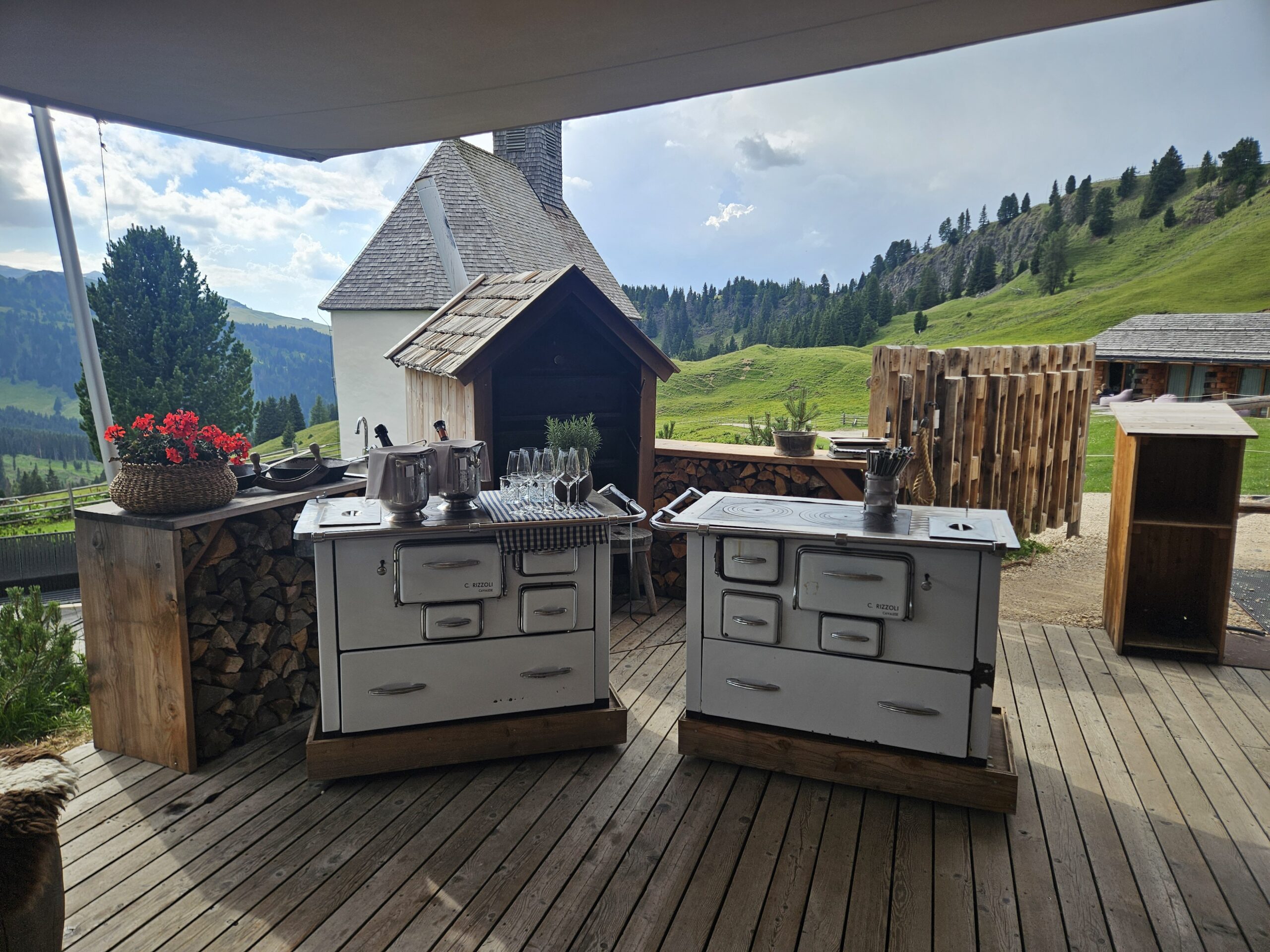
Once a week, bread is baked together in the old oven. You stand there, some knead along, most just watch and talk about nothing in particular. In the evening, the fireplace in the main house – where strangers become acquaintances, and small talk eventually turns into real conversation.
What stayed with me most about Zallinger is something else: Luisa and Markus never tried to be anything other than what they are. Their Haflingers aren’t scenery, they’re a matter of the heart – Luisa’s horses have won gold multiple times in show jumping at the European Haflinger Championships, and if you ask her about it, the answer doesn’t end quickly. They defined their identity – mountain, tradition, craft, slowness – and they live it, whether anyone’s watching or not. That’s become rare.
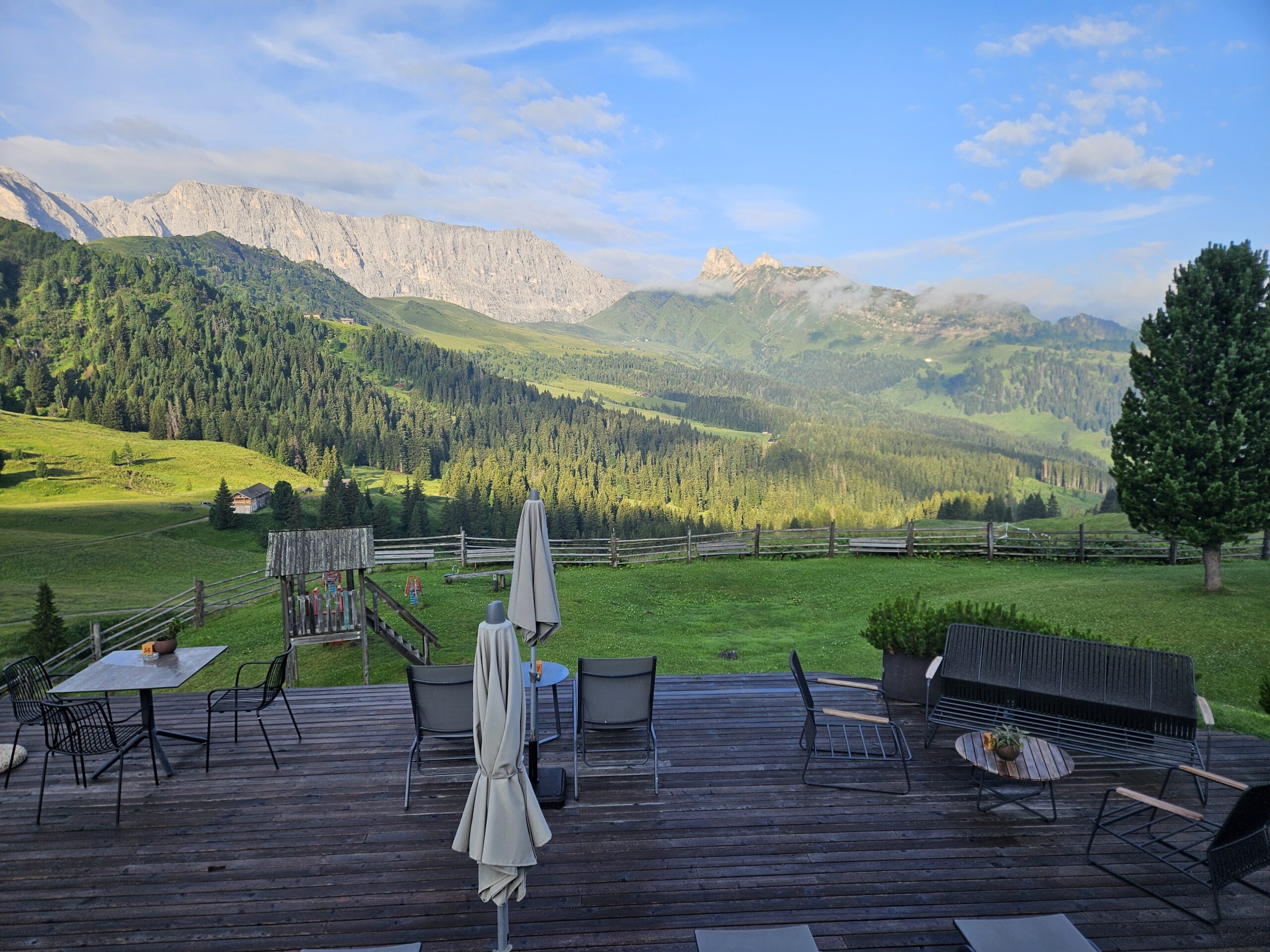
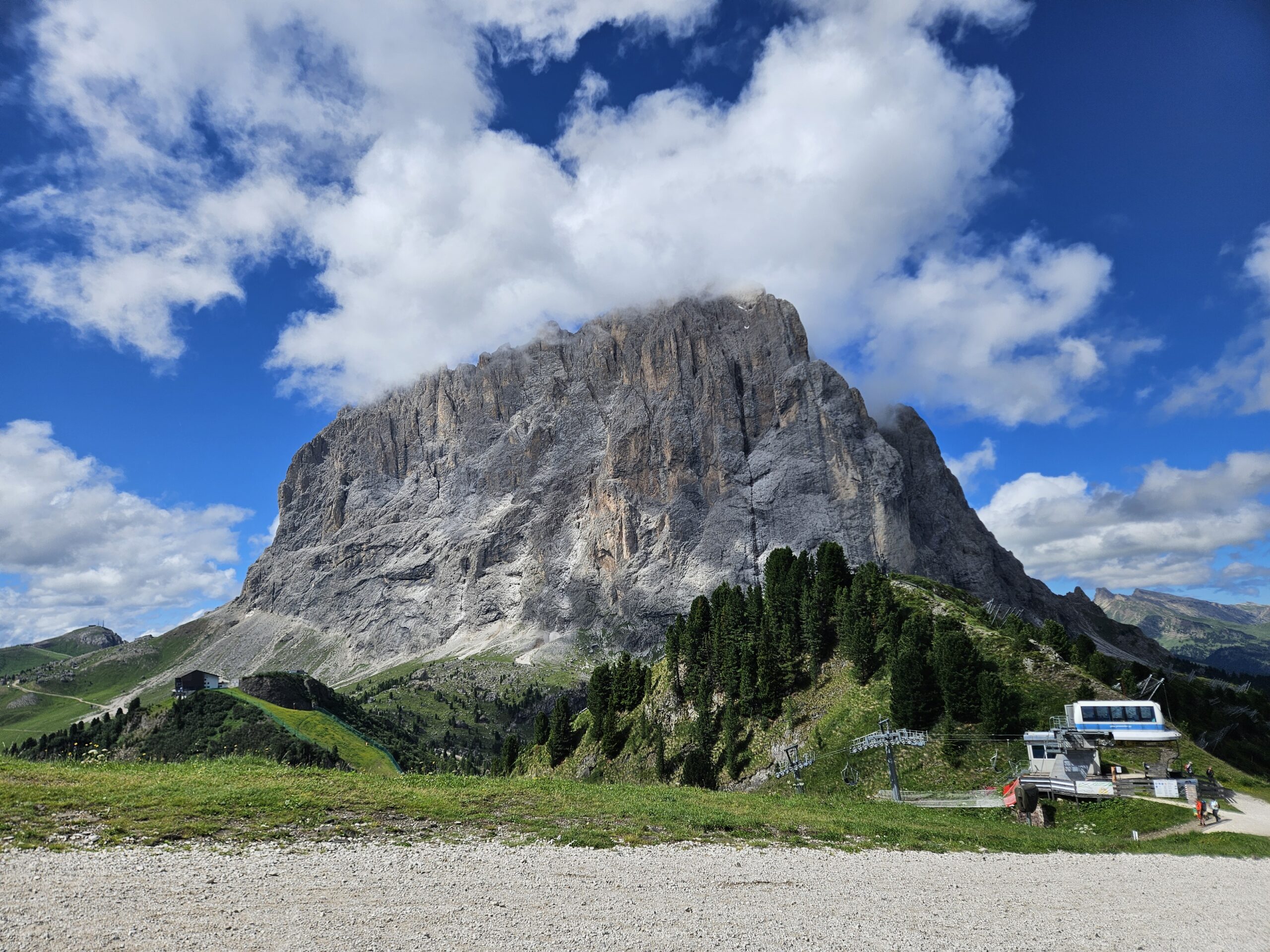
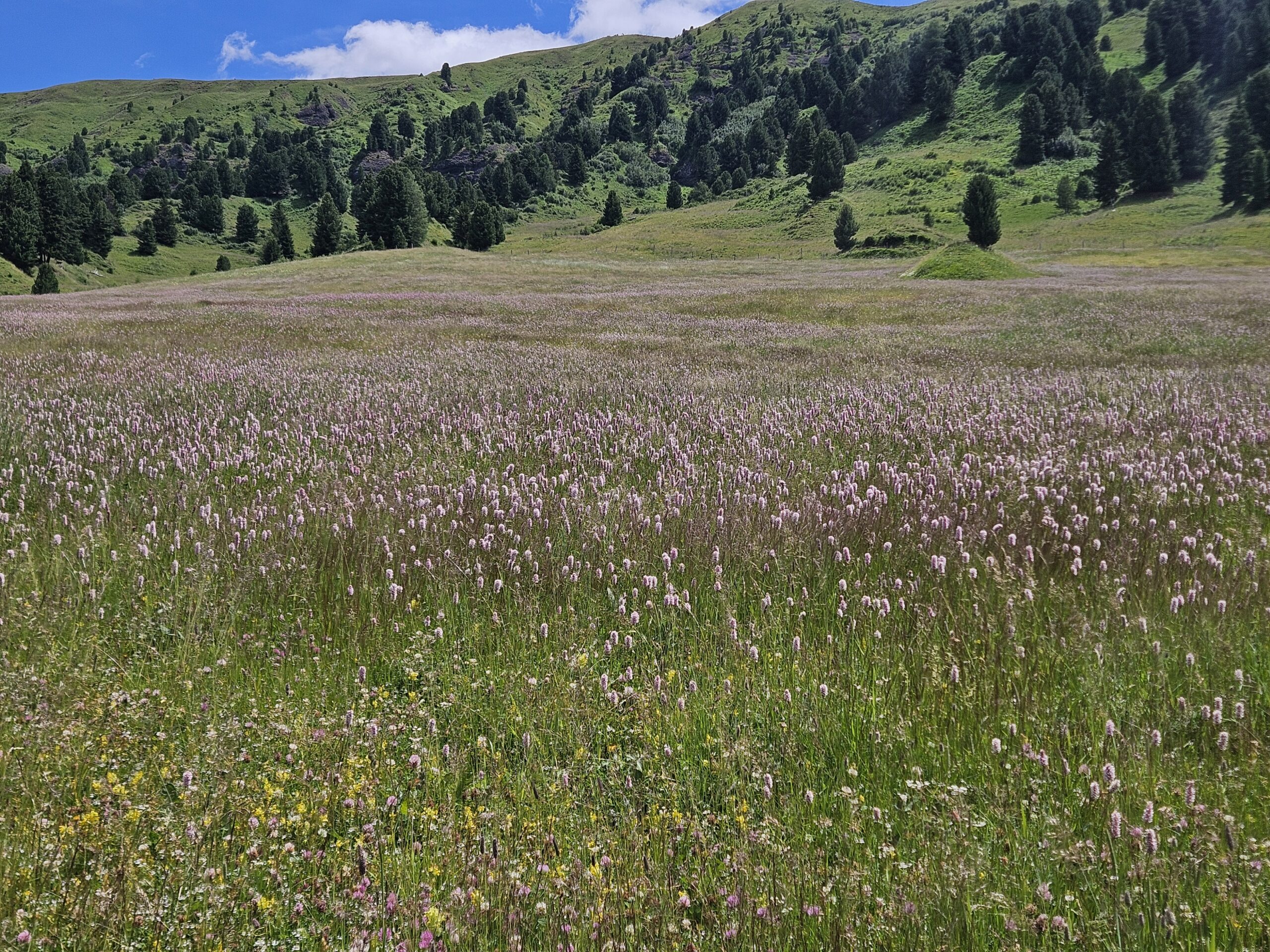
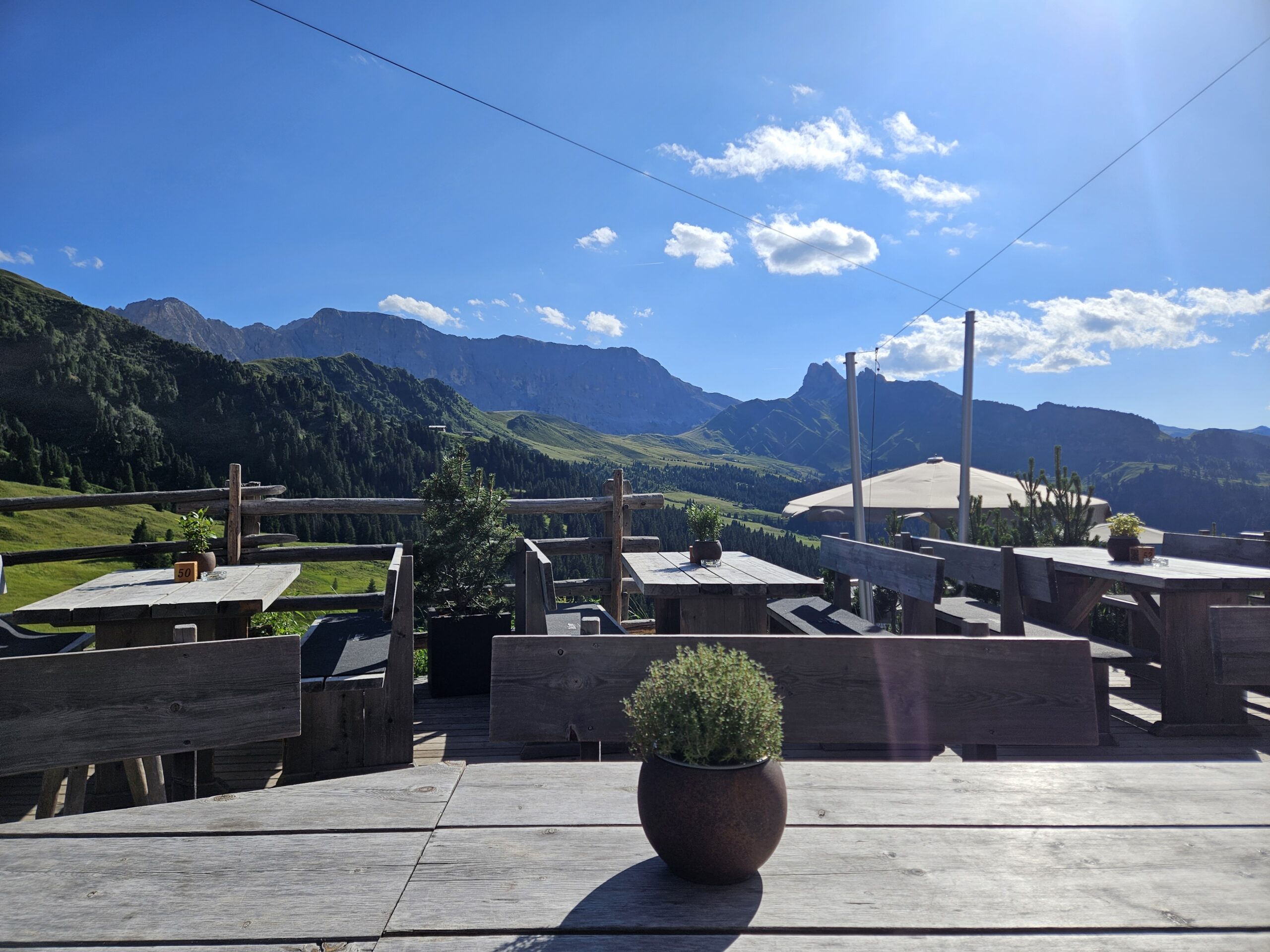
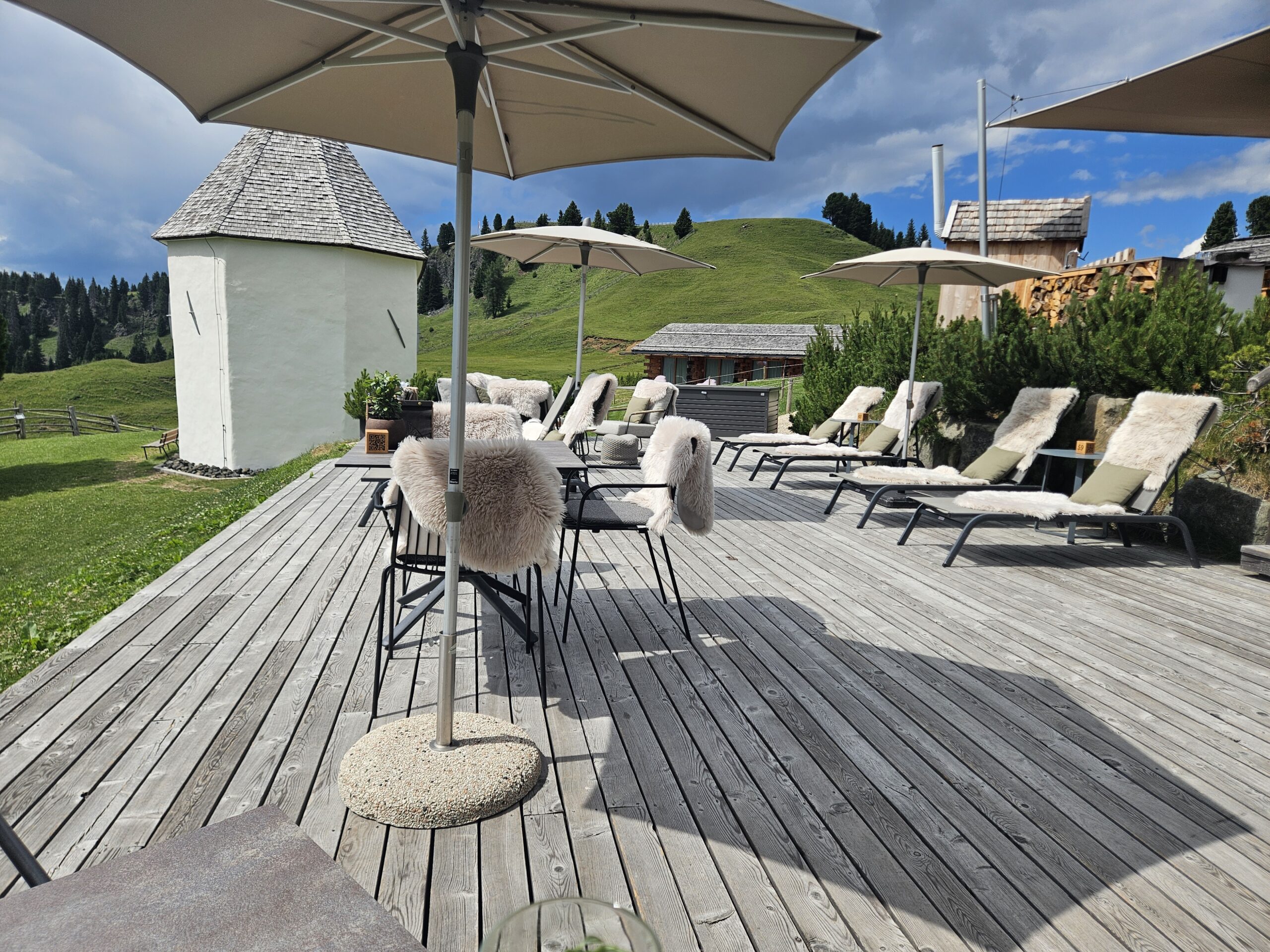
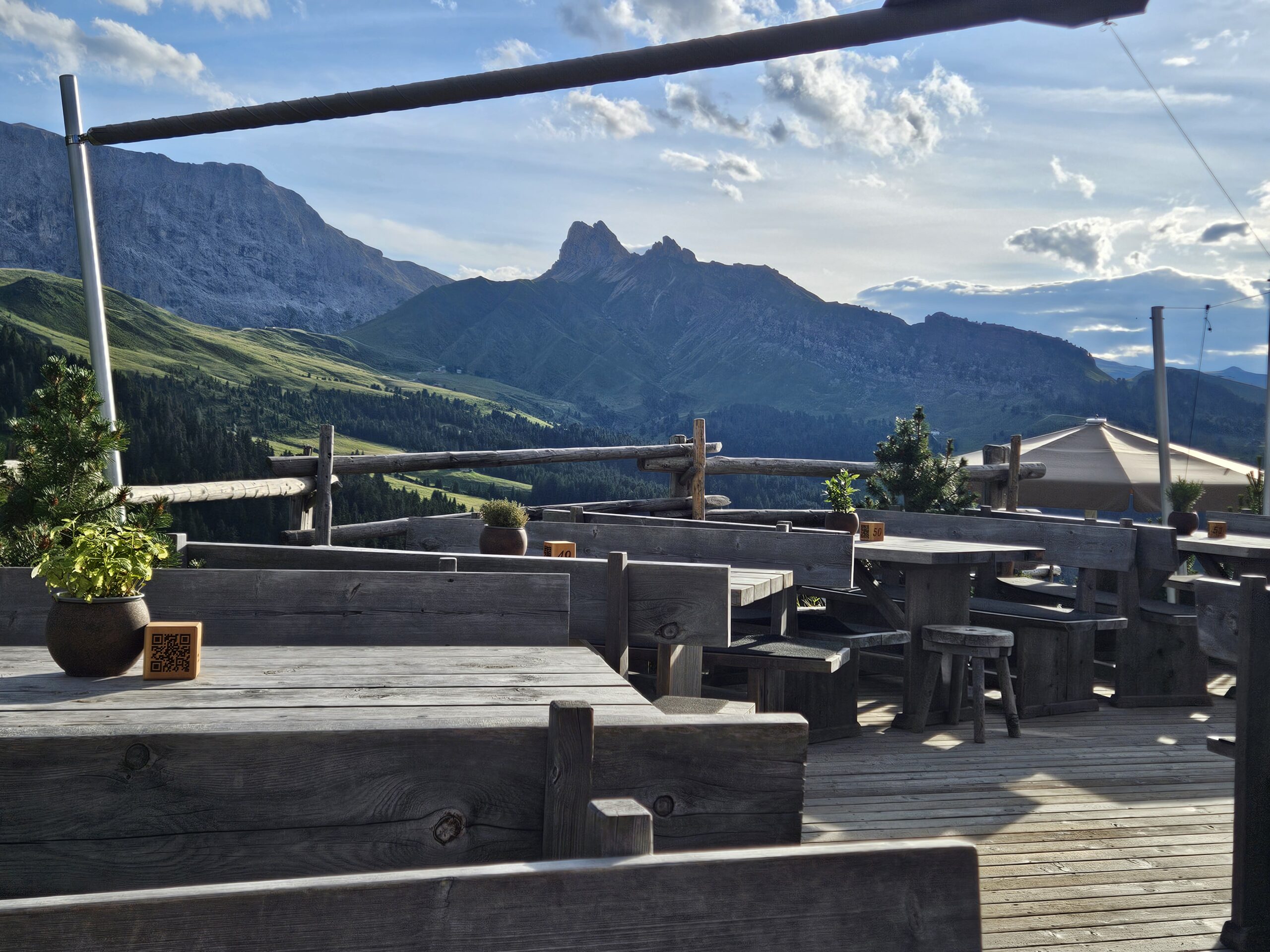
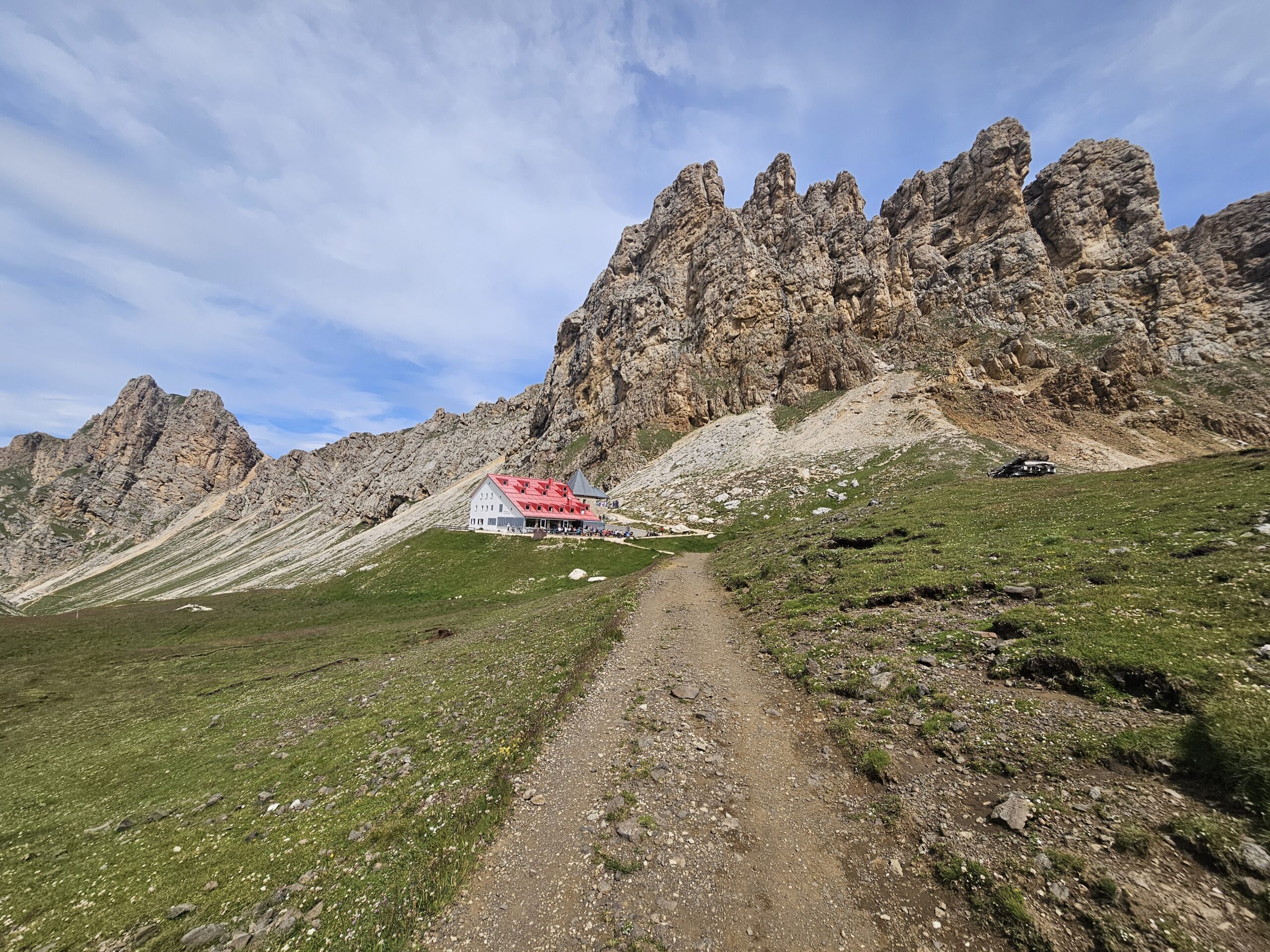
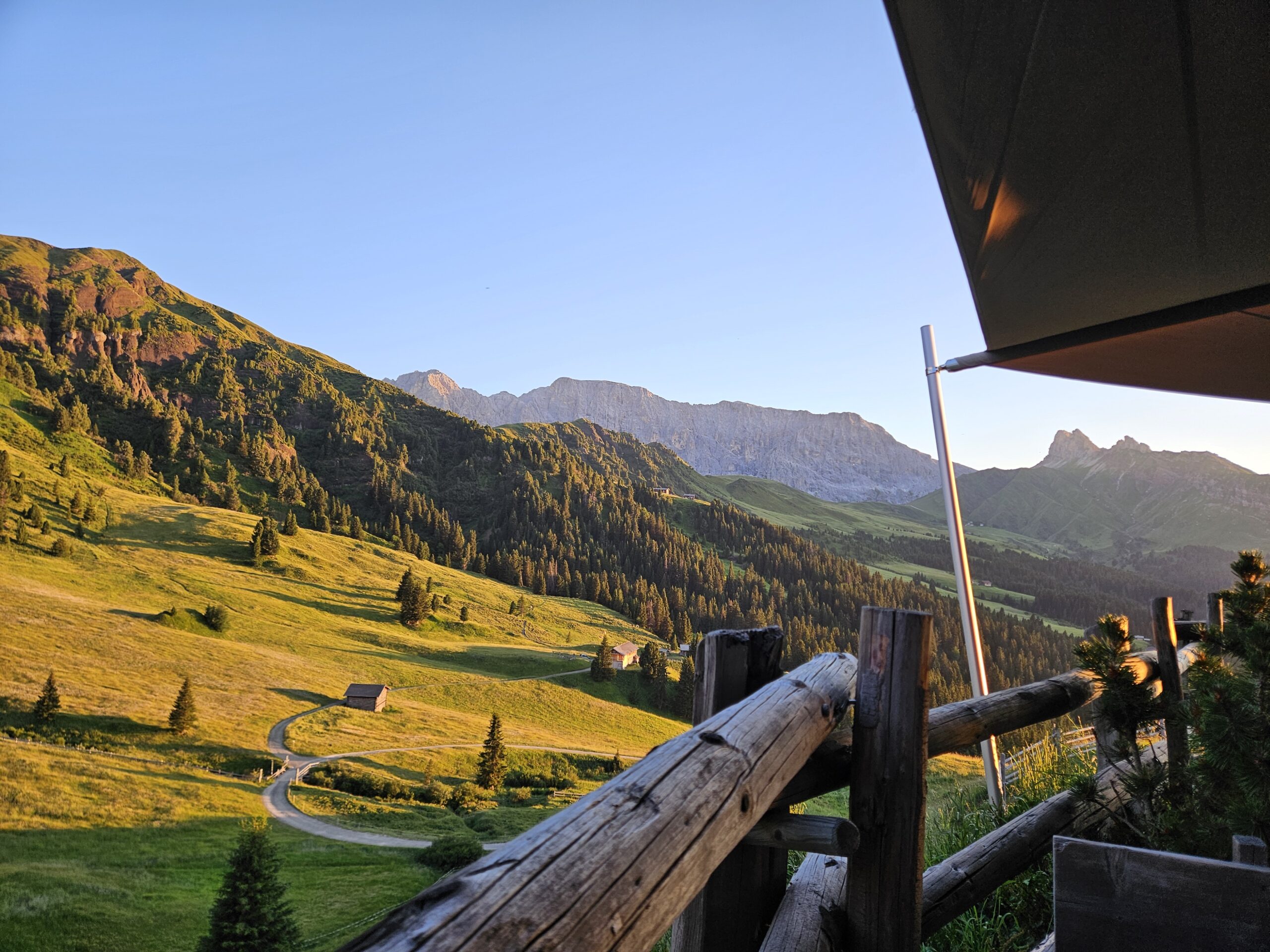
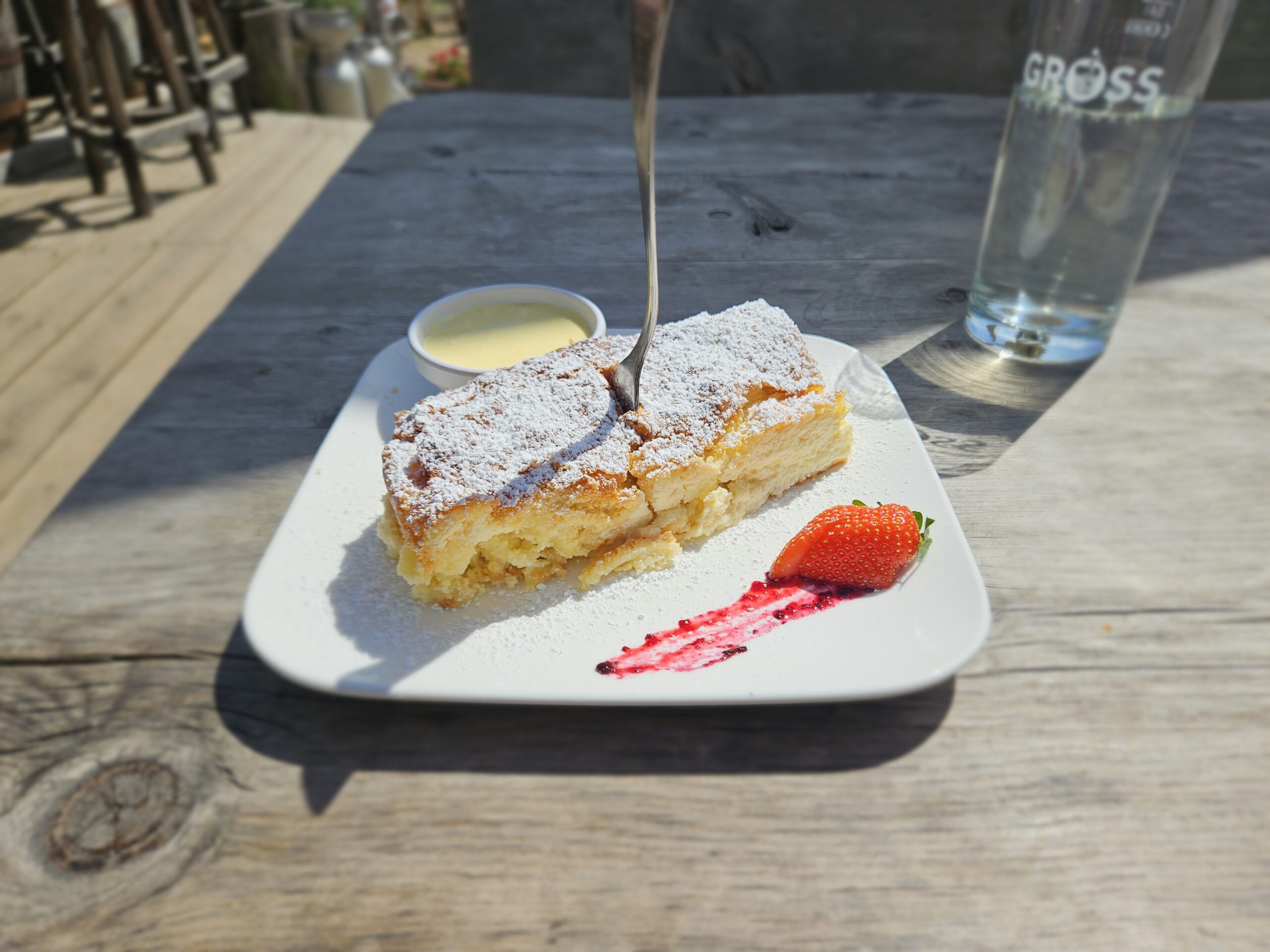
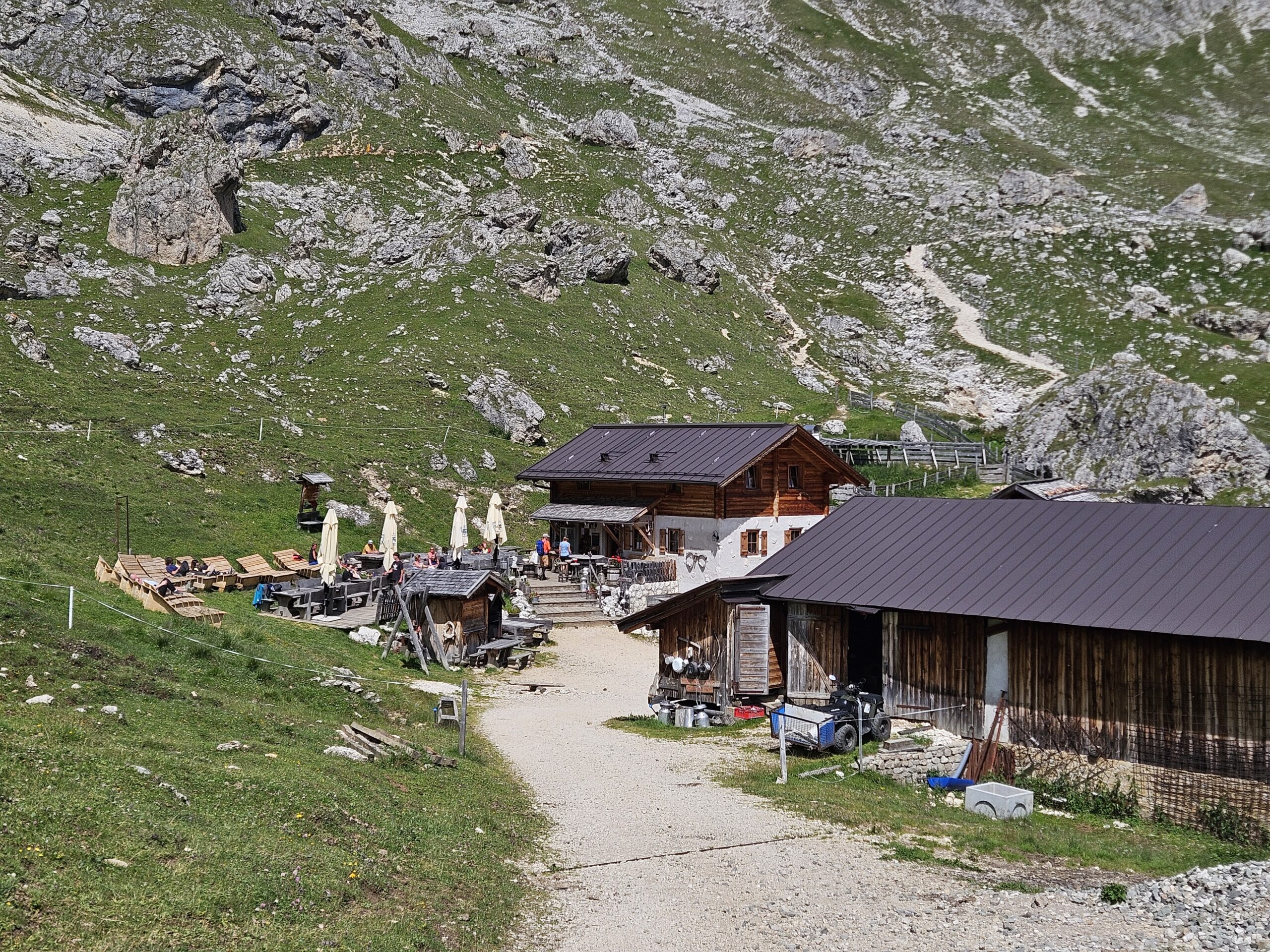
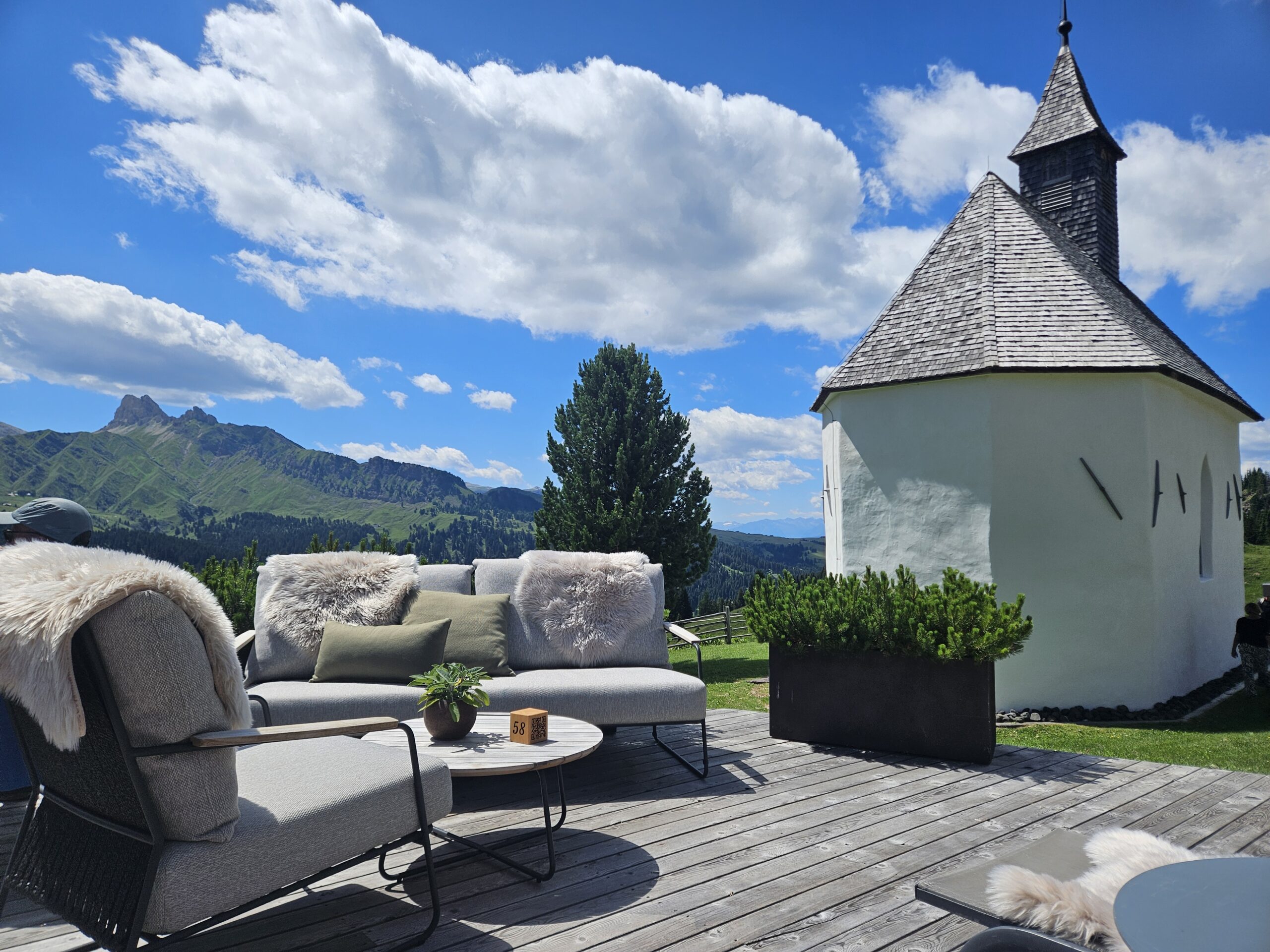
The hiking area itself is one of the finest I know in the Dolomites – open alpine meadows above 2,000 metres, with the Schlern on one side and the Plattkofel on the other. From the terrace, the view stretches from the Plattkofel across the Molignon Pass to the Schlern massif and on to the Ötztal Alps – a panorama you’d otherwise have to climb much higher to reach. All around lie mountain huts, each with its own character, but one is worth a detour of its own: the Plattkofelalm. Set right beneath the rock face, with a view that makes you forget walking for a few minutes. You sit down, order something you don’t recognise on the menu, and realise that’s exactly why you ordered it.
Luxury here doesn’t mean what it usually means. No marble bathroom, no doorman. Luxury here is: waking up without traffic noise, eating what someone made with their own hands, and going an entire day without having to make a single decision more important than which trail to take.
Since I’ve been back, I keep asking myself how many places are left that haven’t changed, simply because people started visiting them.