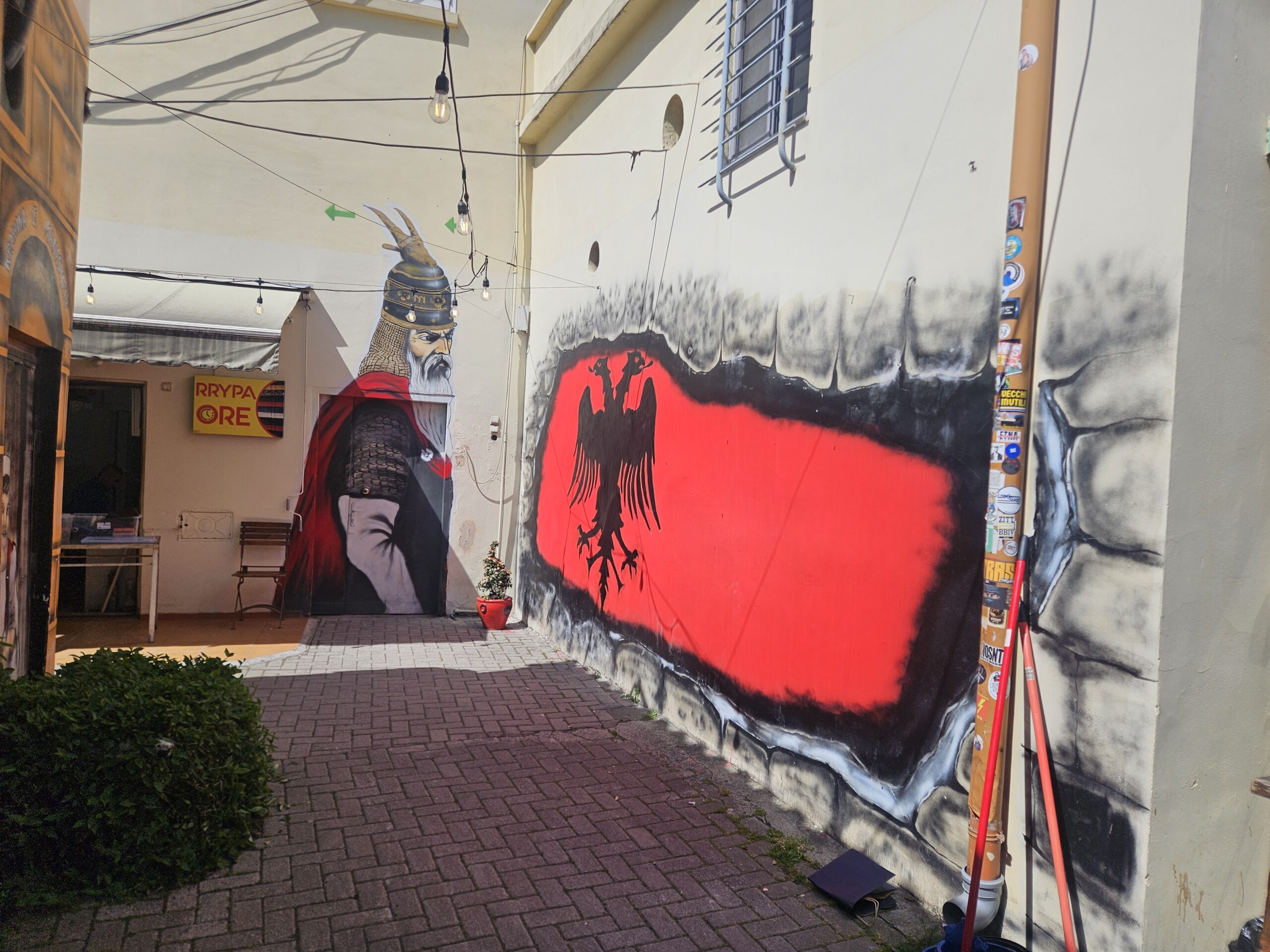
Tirana doesn’t show up in most European travel plans. Too unknown, too far off the standard Balkan route, no iconic landmark that works on Instagram. That might be the best reason to go.
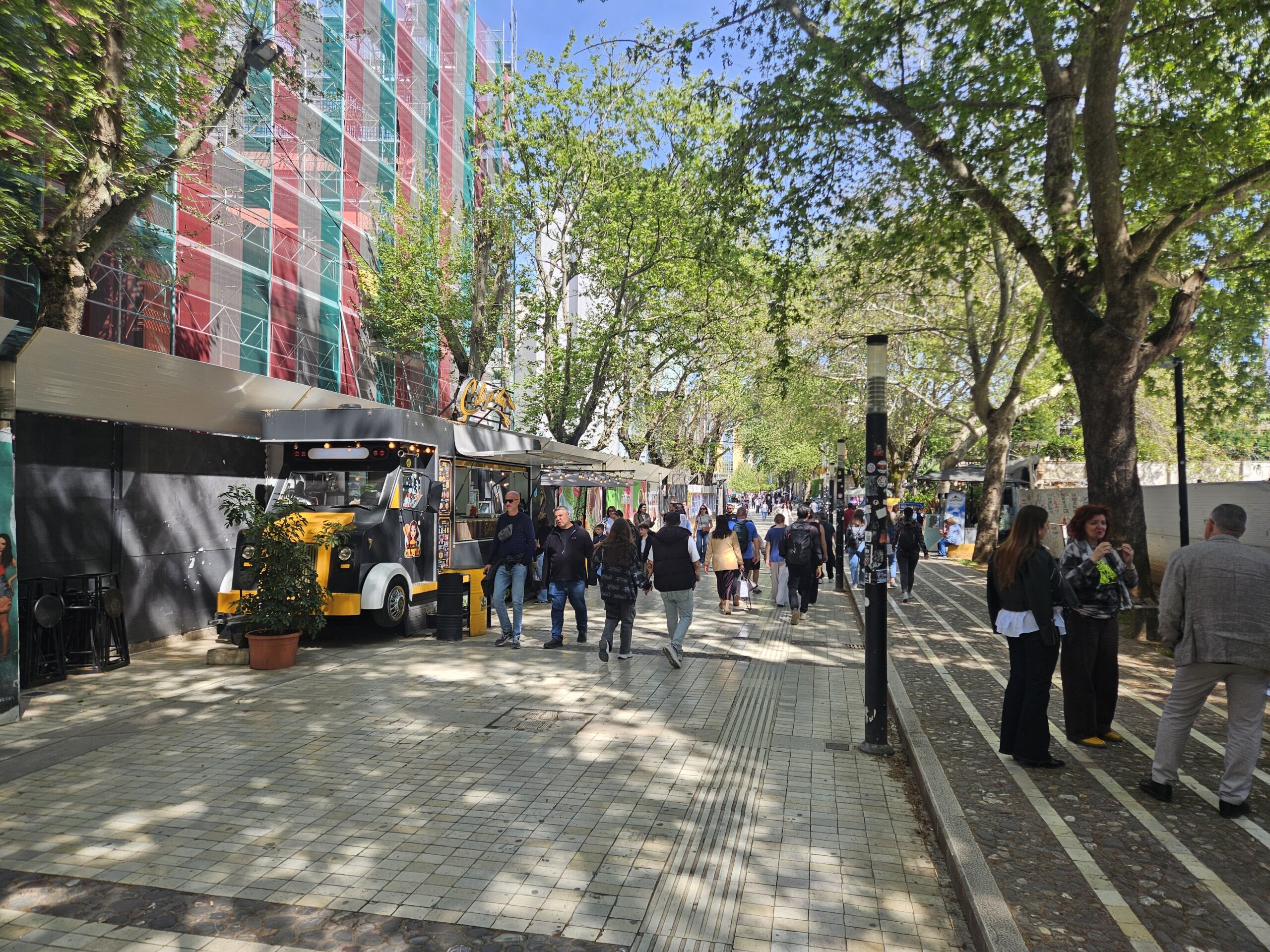
I arrived with mixed expectations and left with an impression that’s hard to compress into a headline. The city is loud and colorful and sometimes unfinished. At the same time, it has something that most European capitals don’t: it makes no effort to be something it isn’t.
About the city
Read for the key sights, where to eat, where to stay, and the practical details that tend to get skipped.
Skanderbeg Square — Start Here
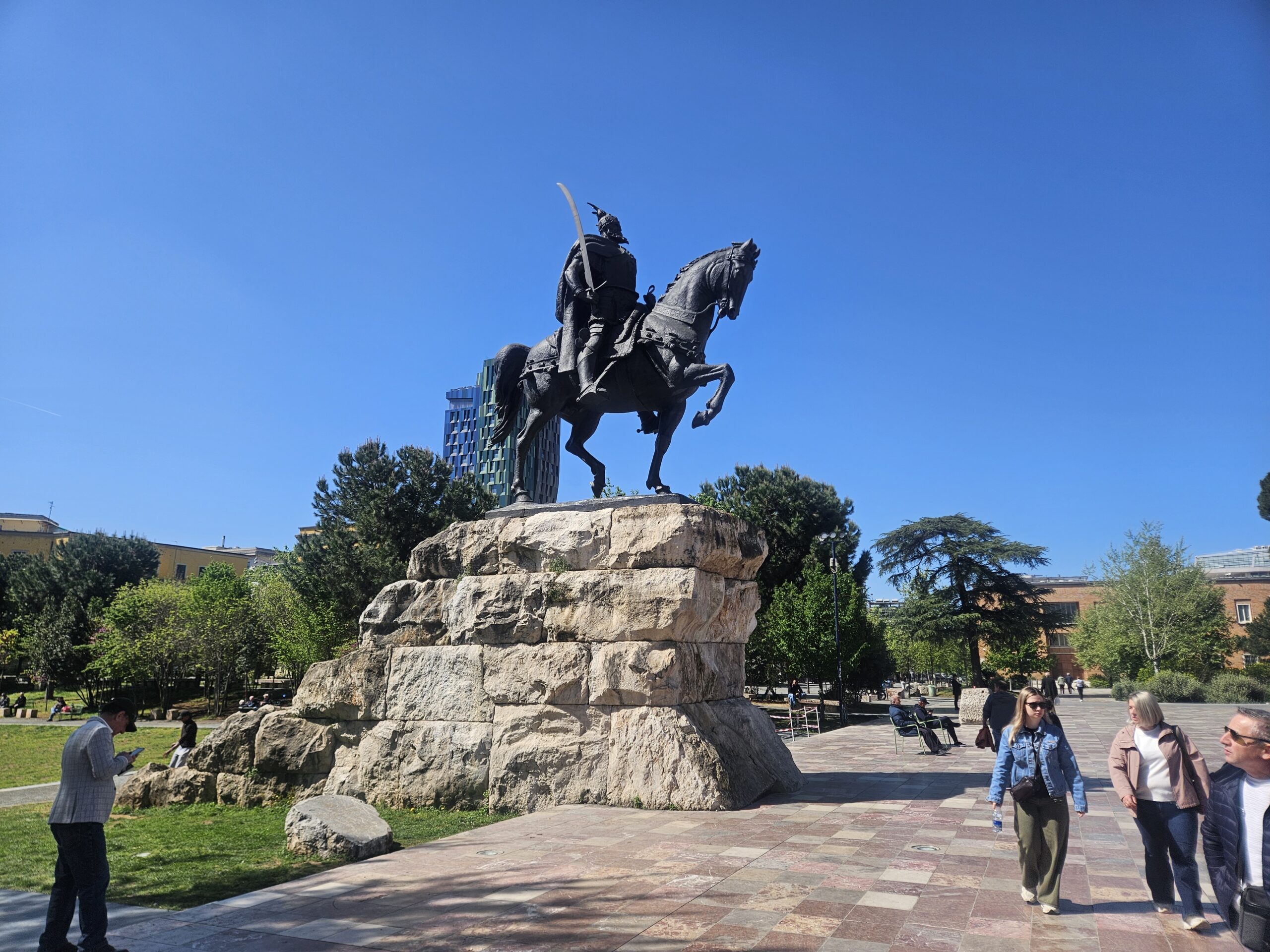
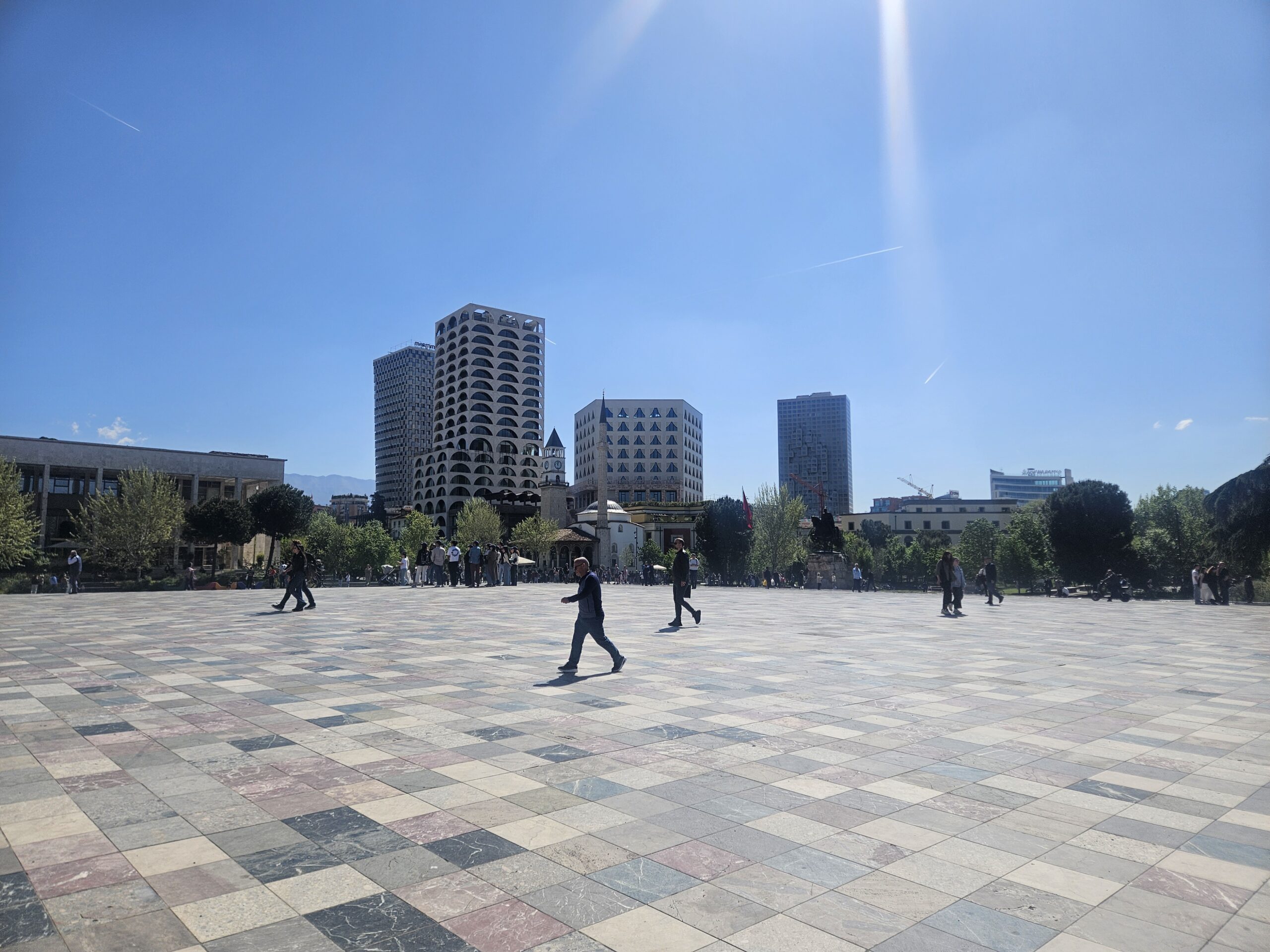
Everyone who comes to Tirana ends up at Skanderbeg Square (Sheshi Skënderbej) sooner or later. It’s the geographical and symbolic center of the city — 3.8 hectares, car-free since 2016, surrounded by the most important buildings: the Et’hem Bey Mosque, the National Museum, the Palace of Culture, and the old Clock Tower. The 11-meter equestrian statue of Albania’s national hero Gjergj Kastrioti Skanderbeg stands in the middle.
My tip: Start here early in the morning. The square is empty then and has a completely different quality than at midday when the heat sets in.
Bunk’Art — Where history gets under your skin
The two Bunk’Art museums are among the most powerful experiences Tirana has to offer. Both are housed in former nuclear shelters built during the communist dictatorship of Enver Hoxha — who ruled from 1944 to 1985 and turned Albania into one of the most isolated countries in the world.
Bunk’Art 2 is right in the center, close to Skanderbeg Square. It documents the surveillance methods of the secret police, the Sigurimi — wiretapping, political persecution, torture. The original rooms are preserved, the exhibition is in English. You don’t come out feeling good. That’s the point.
Bunk’Art 1 is outside the center, just before the Dajti Ekspres cable car station. It’s larger, focuses on the Cold War military paranoia of the regime, and because of its location, significantly less crowded. If you have the time, do both.
Opening hours Bunk’Art 2: daily 9:30am–6:30pm · Entrance approx. €9
The Pyramid — A building with three lives
Originally built as a mausoleum for Enver Hoxha (1988), then left to decay for years, then used as a NATO base during the Kosovo War, now rebuilt into a modern culture and technology center with a $22 million investment. You can climb the steps of the Pyramid — the view over Tirana is good, and the building is hard to miss anyway.
It’s not a beautiful place. But it tells you more about Albania than any information board.
Free entry · Location: approx. 15 minutes’ walk from Skanderbeg Square
Blloku — The neighborhood that was off-limits
Blloku means simply “the block” in Albanian — and for a long time it meant nothing good. During the communist era this district was reserved exclusively for the political elite, fenced off and guarded. Enver Hoxha lived here. Ordinary citizens had no access.
Today Blloku is the hippest neighborhood in the city. Cafés, restaurants, boutiques, nightlife — here Tirana shows its modern, cosmopolitan face. Hoxha’s villa is still standing in the neighborhood, visible from outside.
The coexistence of history and present is sometimes hard to take in: where nobody was allowed to go, the city’s most expensive cocktail bars now stand.
Pazari i Ri — The market that tells stories
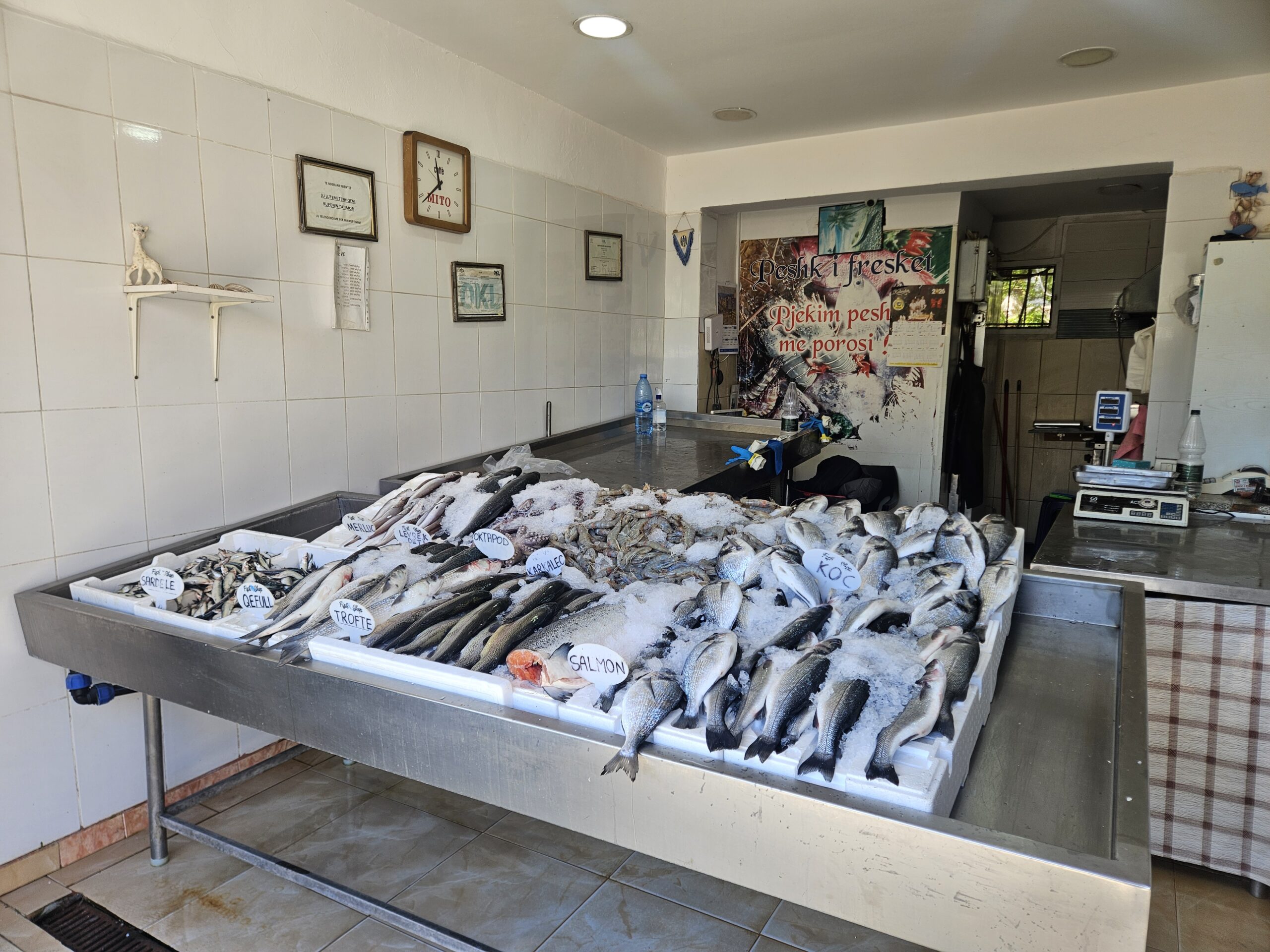
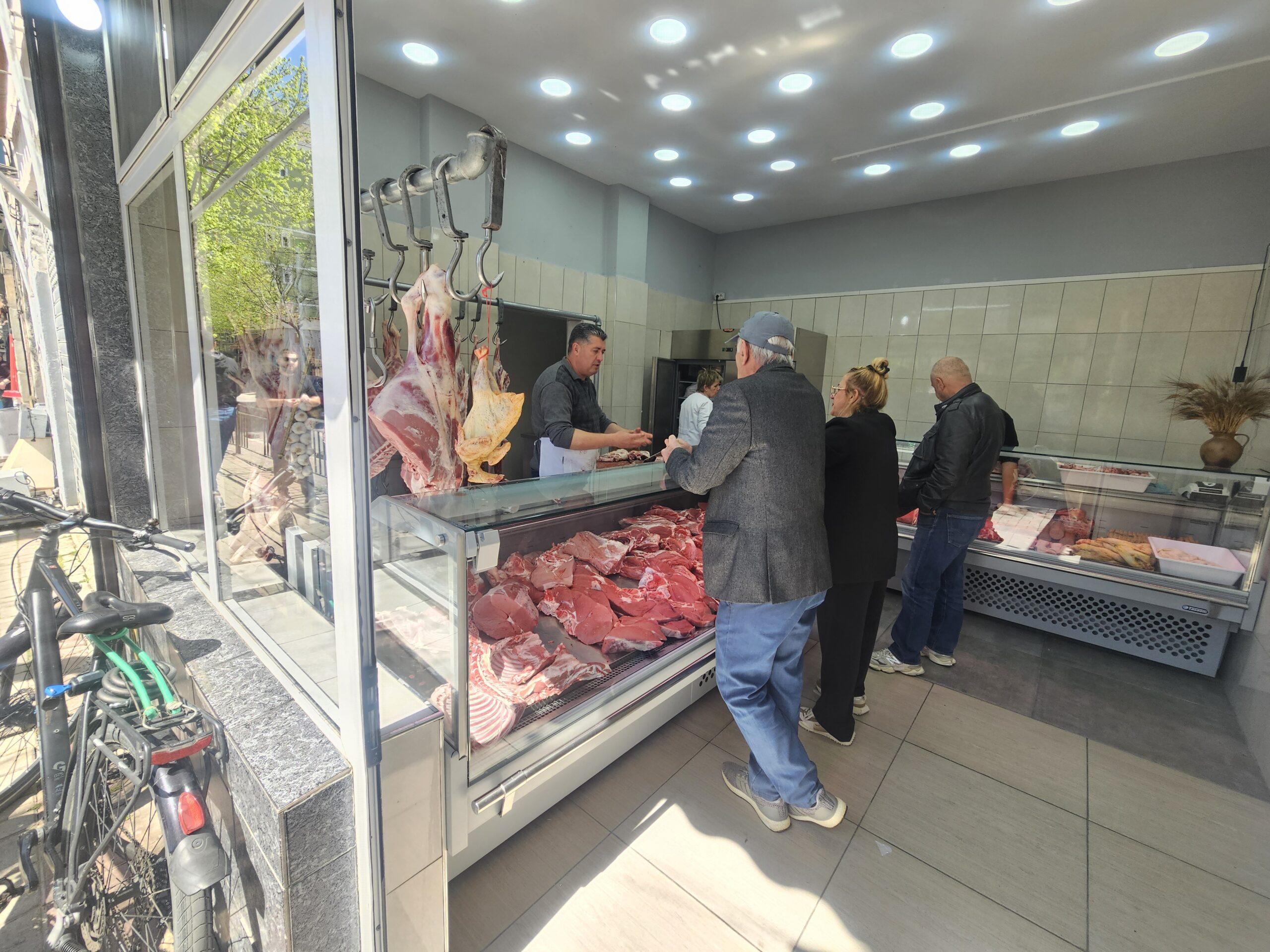
Pazari i Ri means “New Market” in Albanian — and it’s one of my favorite places in Tirana. Under a modern glass roof you find everything that makes Albanian cuisine what it is: pickled vegetables, olives, honey, raki, fresh fruit and vegetables, spices.
What genuinely surprised me here: the vendors. They approach you — but in a way that has nothing to do with the pushiness you’d expect at a market. A smile, a step in your direction, no pressure. They’d rather talk than sell. I bought half a kilo of tomatoes and it took twenty minutes, because the conversation was more important than the transaction.
Take your time here. Eat Byrek — the Albanian flaky pastry — at a stand. Buy nothing if you don’t need anything. Just watch and let the flow take you.
Dajti Ekspres — Cable car up the mountain
If you have an afternoon free: Mount Dajti is Tirana’s local mountain, 1,613 meters high, reachable in about 15 minutes via the Dajti Ekspres — the longest cable car on the Balkans. At the top there are hiking trails, restaurants, and on a clear day a view all the way to the Adriatic. The mountain is right next to Bunk’Art 1, which makes both easy to combine.
Cost: approx. €10–12 return · Closed Tuesdays
Namazgja Mosque — New and still impressive
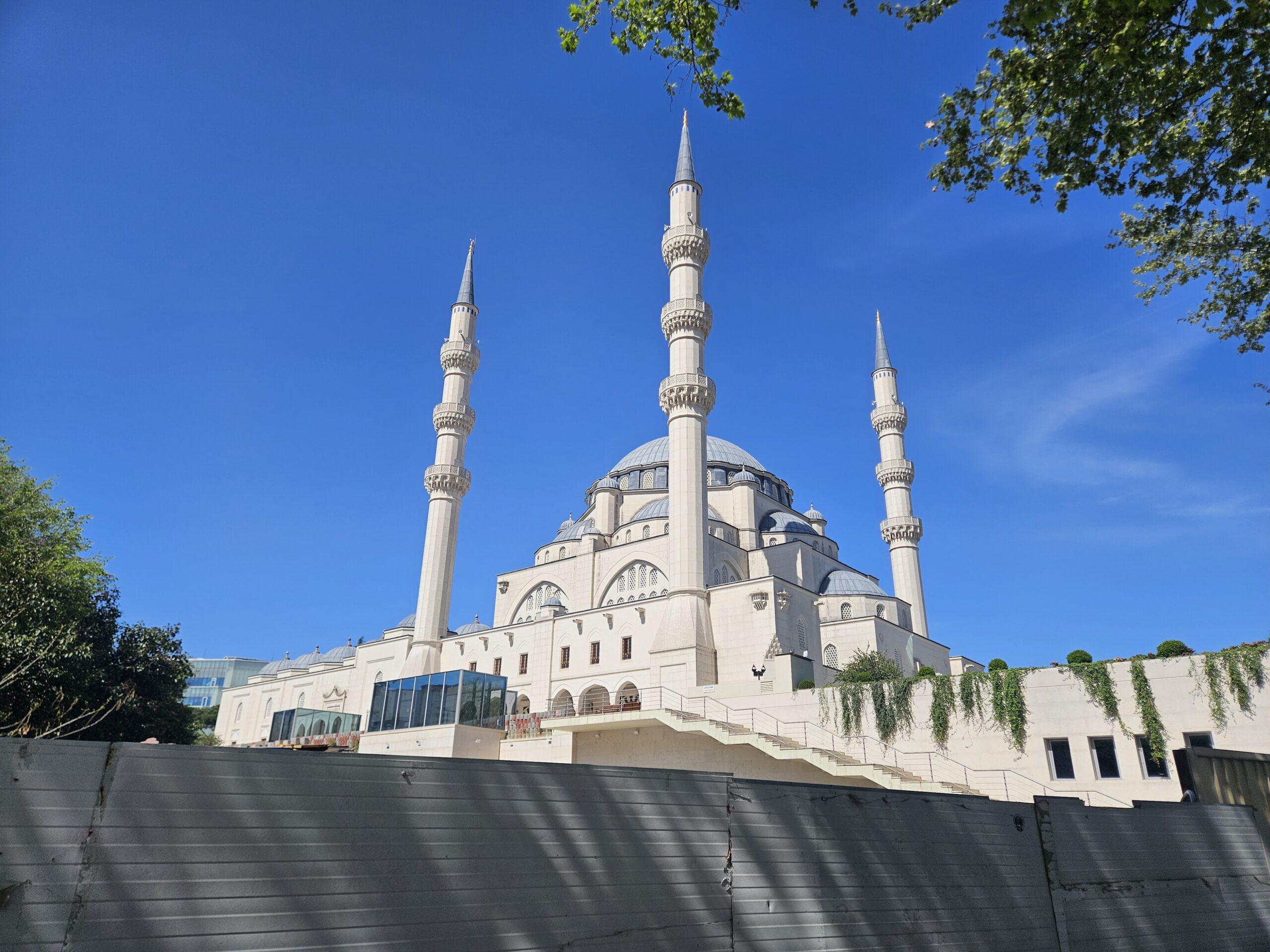
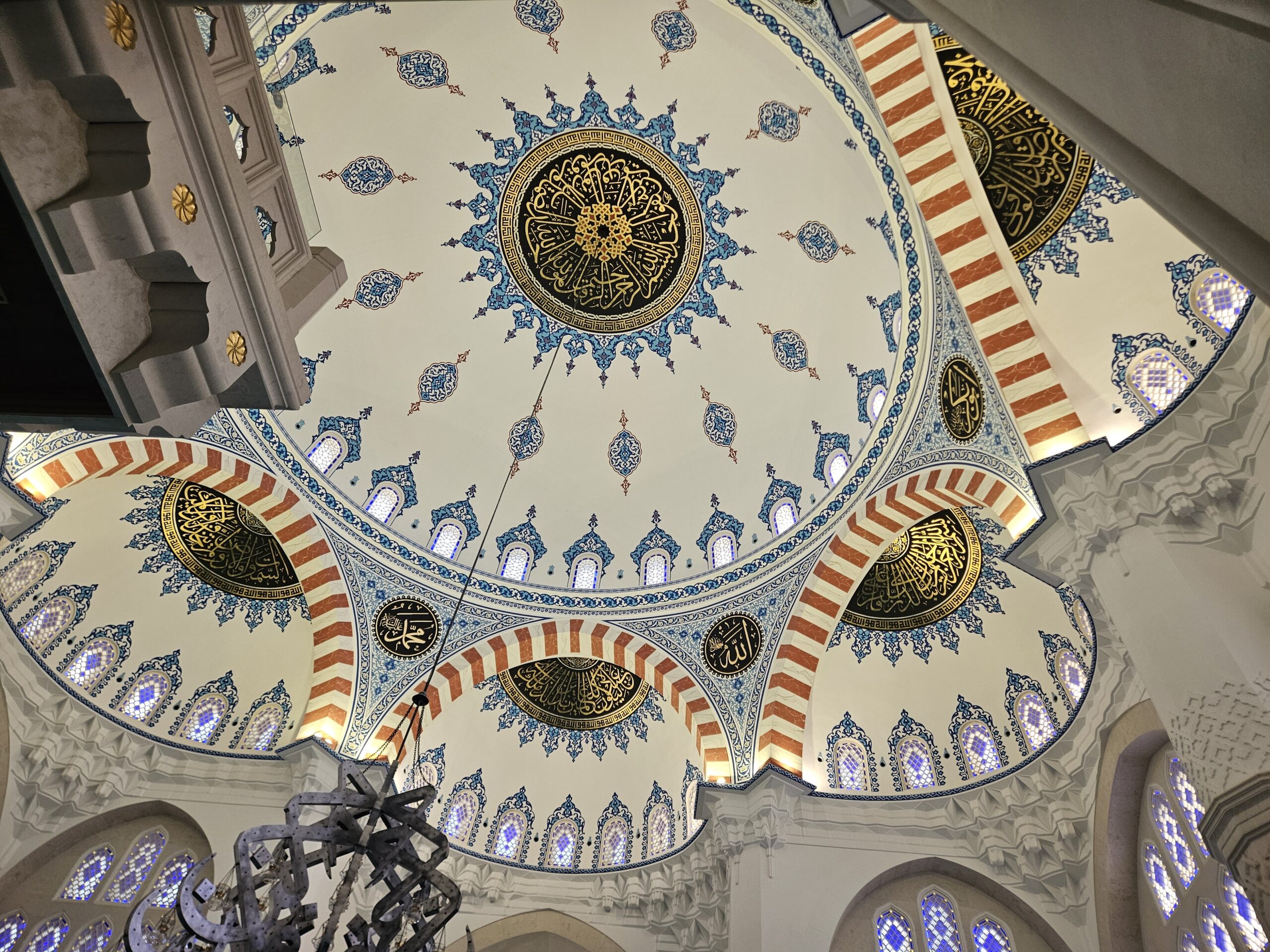
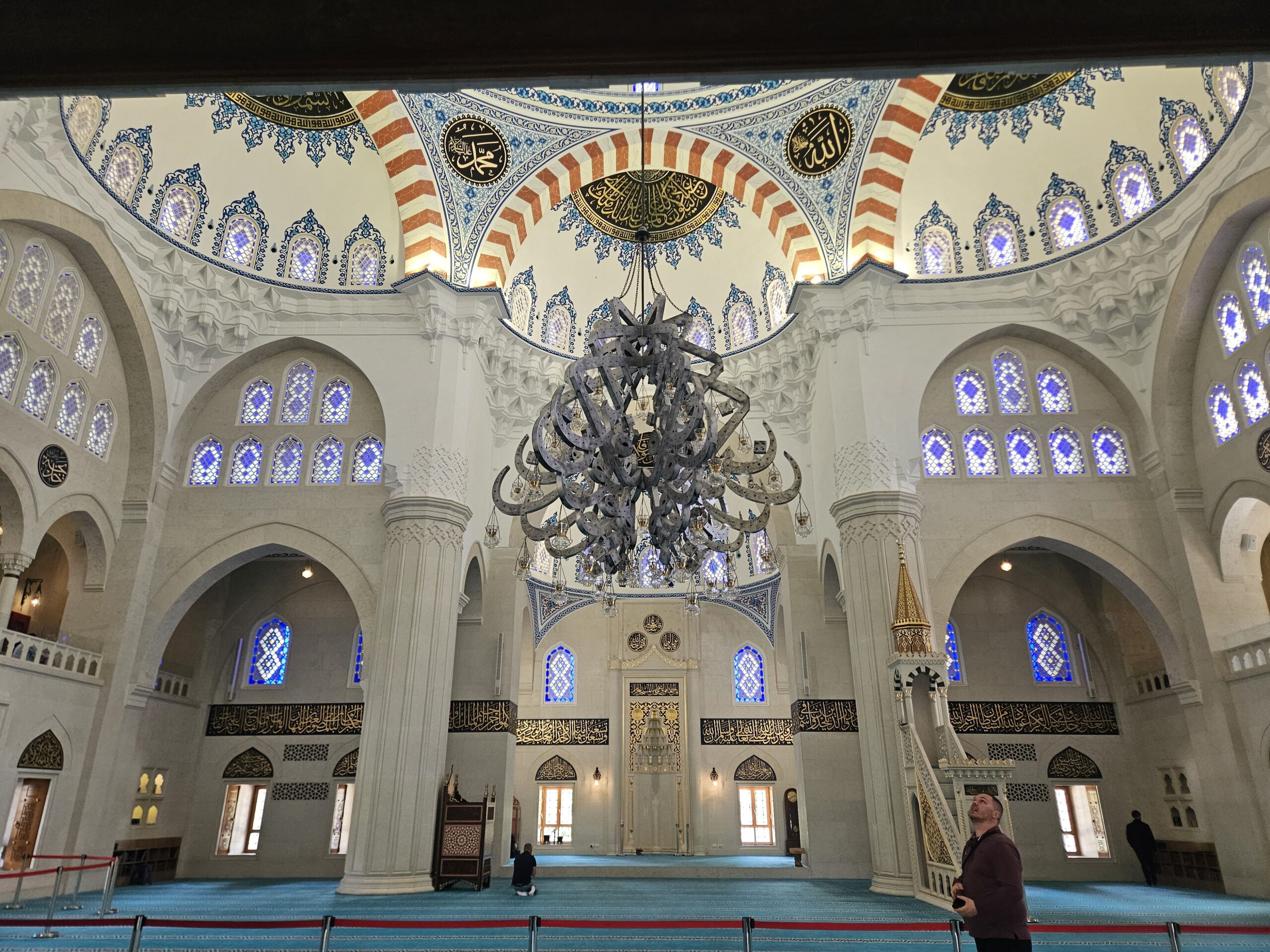
The Namazgja Mosque, inaugurated in 2024, is the largest on the Balkans: four minarets, each 50 meters high, space for 5,000 worshippers, classical Ottoman architecture in gleaming white. Those who know mosques will recognize the architectural language. Those who don’t: it’s worth going inside.
Open daily 5am–9pm · Dress code applies
Eating and Drinking
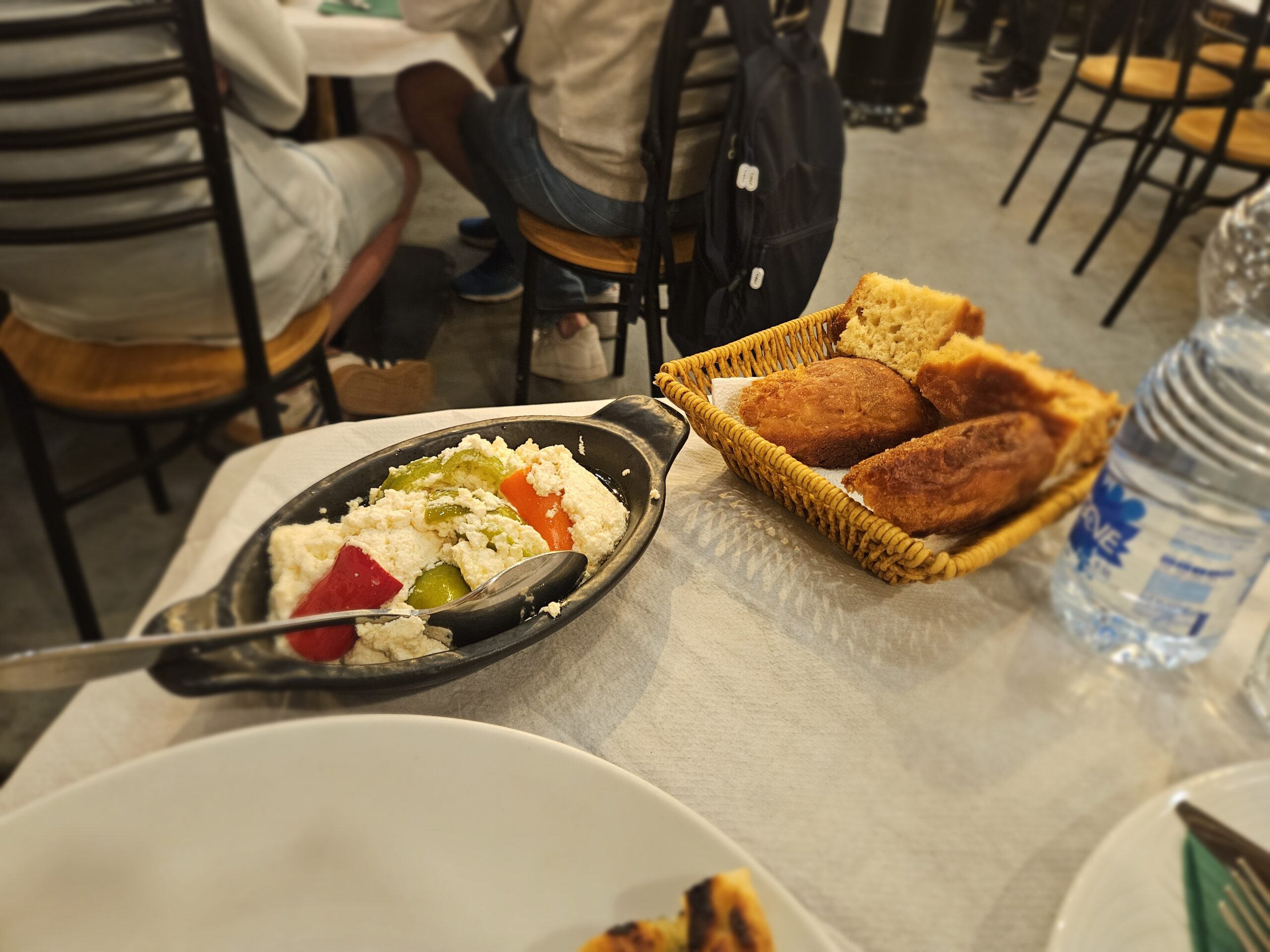
Albanian cuisine is hearty, warm, and made with ingredients that still taste like something. Yogurt, lamb, stuffed peppers, byrek in a hundred variations, raki as the standard drink for practically everything.
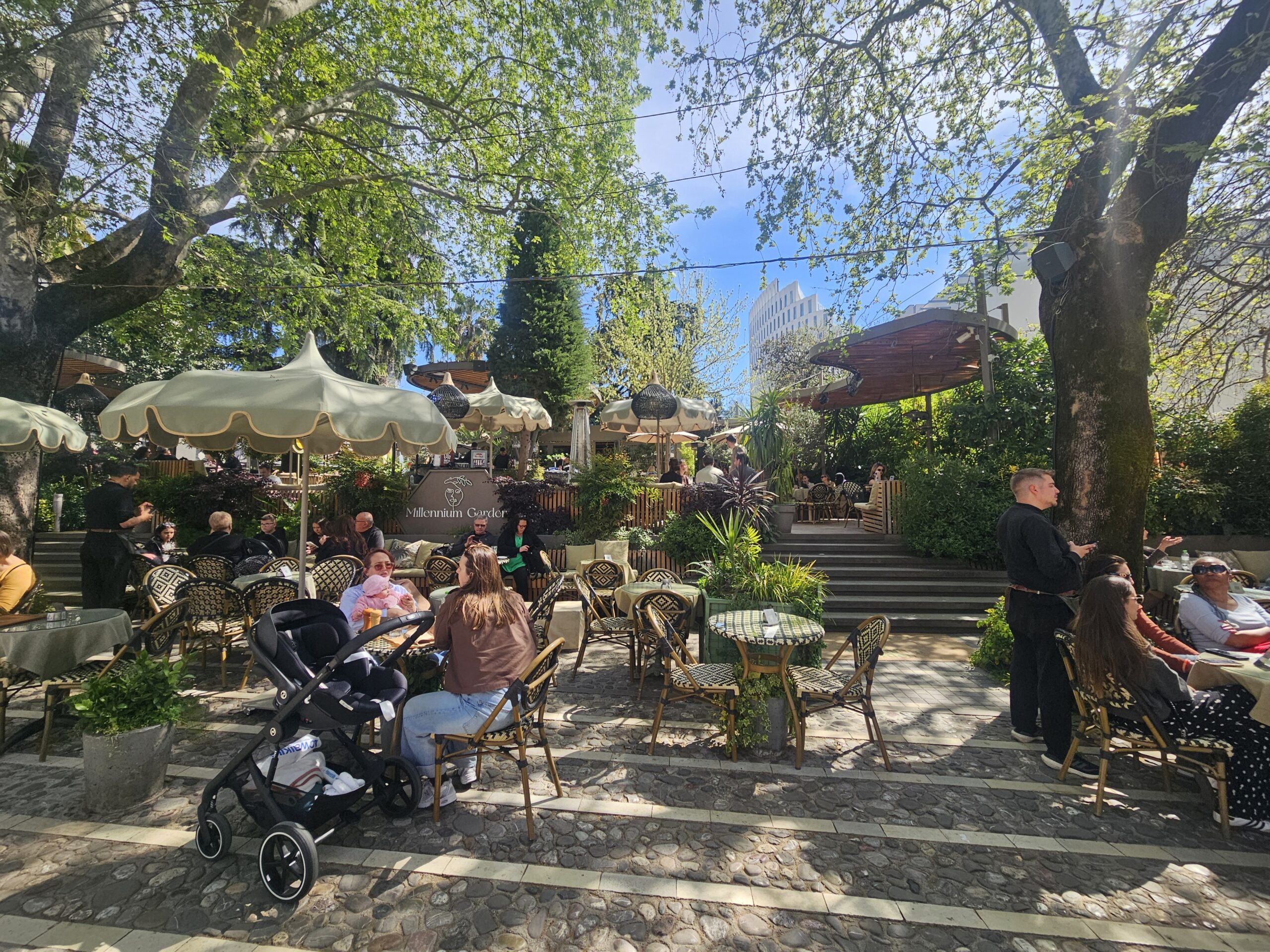
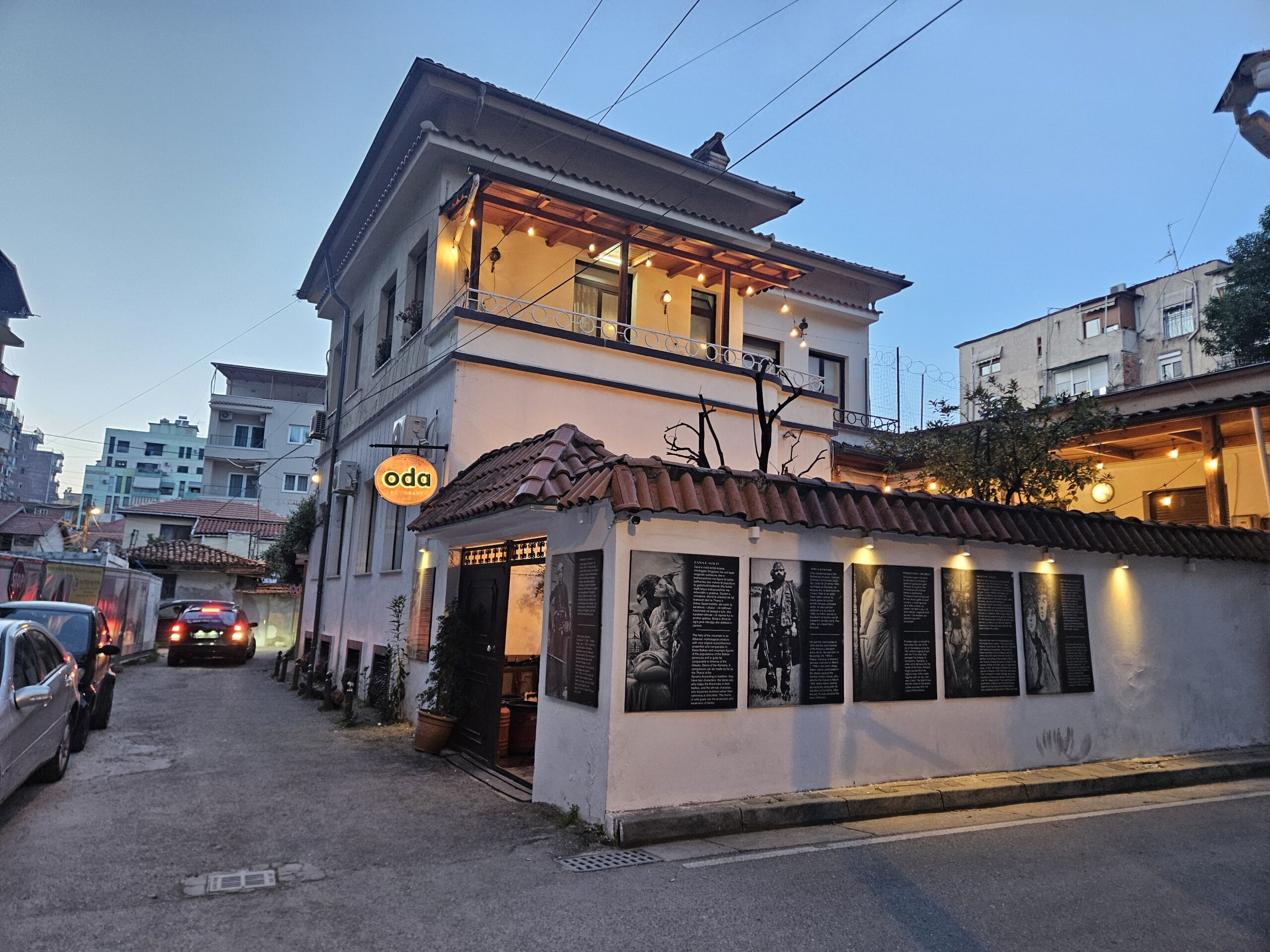
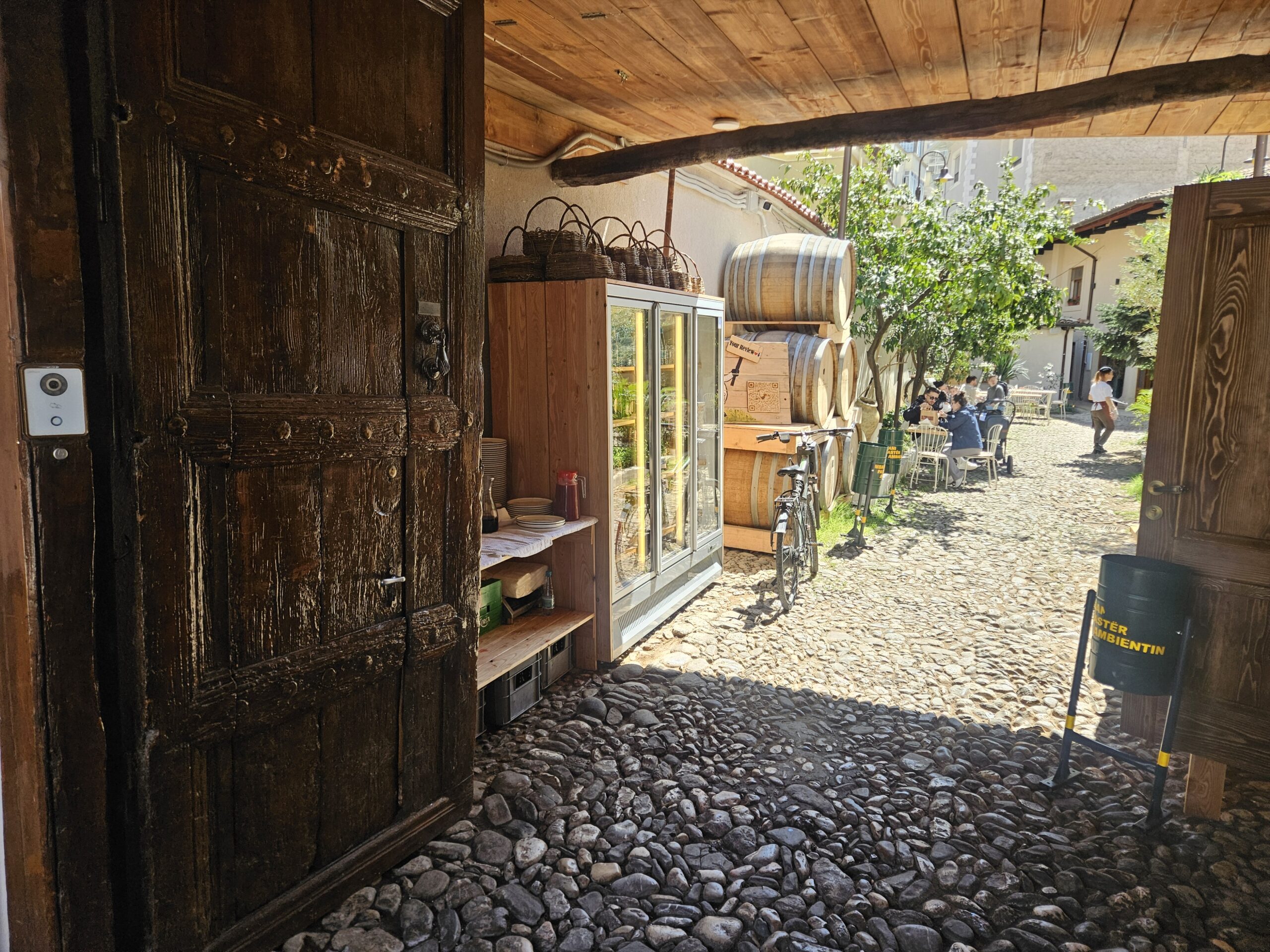
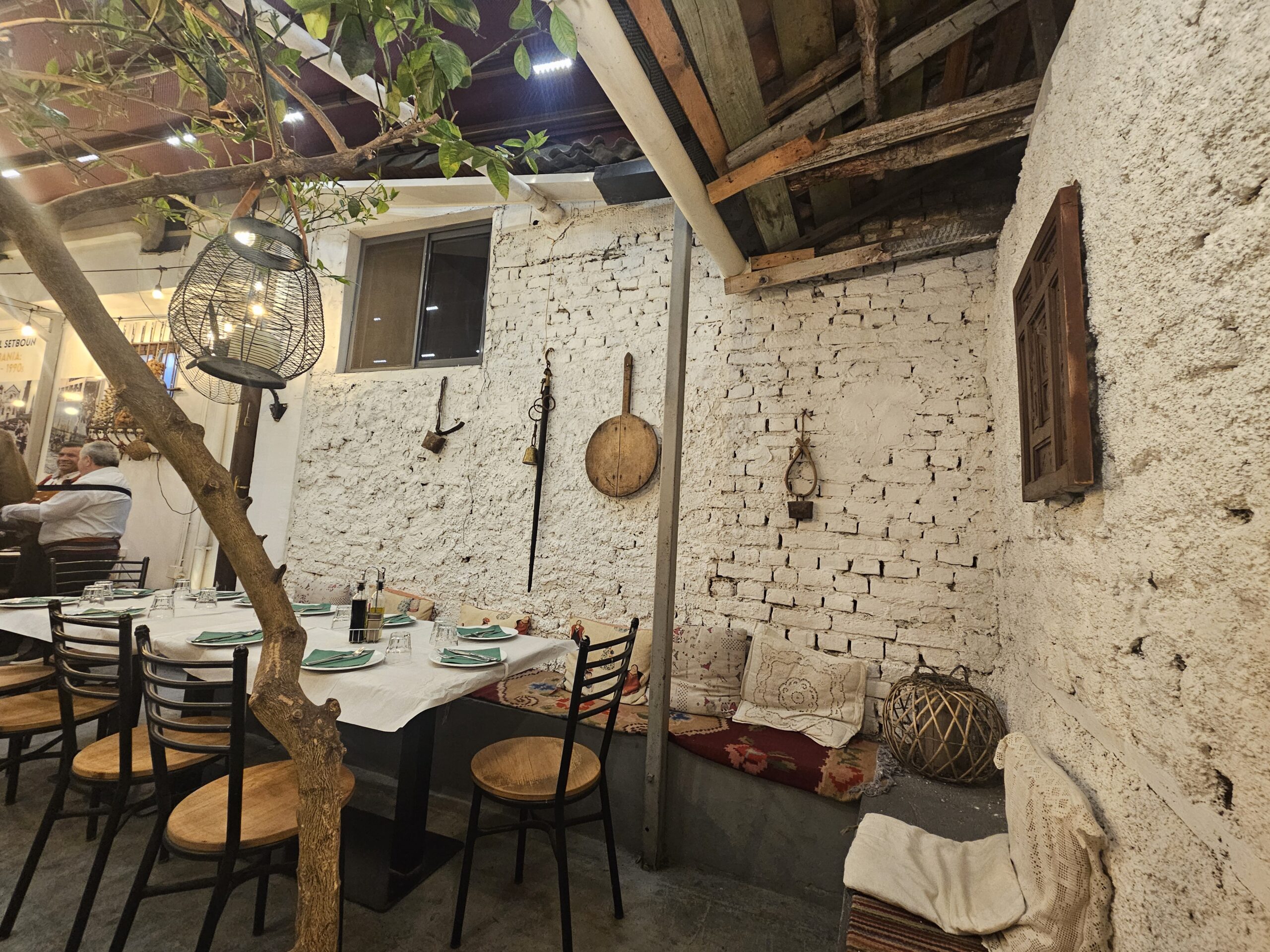
- Restaurant Oda is my first recommendation for a traditional Albanian dinner. Homemade dishes, a family atmosphere, no tourist menu. You can tell that the people cooking here care about what ends up on the table. Not elaborate in terms of decor — elaborate in terms of care.
- Café Botanica right next to the opera: good breakfast, good coffee, nice outdoor seating.
- Komiteti Kafe Muzeum: café and bar in one, with over 3,000 artifacts from the communist era on display. An extraordinary place, especially in the evening.
Visit Blloku for nightlife, cocktails, and more modern restaurants — the scene is young and lively.
Important: Albania does not anymore run largely on cash. You can pay by Visa Card almost everywhere. The currency is the Albanian Lek (ALL). Cards work in larger restaurants, but even in small shops; at markets and small cafés, barely. Best to withdraw money at an ATM right after you arrive or go to an exchange booth at the airport.
When to Go and How Long to Stay
Best time to visit
April to June and September to October. Temperatures between 20 and 25°C, no summer heat, pleasant for walking. July and August can get very hot; November is the wettest month.
How long to stay
Two to three days cover the city’s highlights. If you use Tirana as a base for all of Albania — which you should — plan more time accordingly. Berat, Shkodra, the Albanian Alps, and the coast are all manageable day trips or short onward journeys.
Why Now Is the Right Time
Tirana is in the middle of a transformation. Not the kind where a city loses its character because it gets tidied up for tourists — the real kind. A city figuring out who it wants to be. New mosques next to communist bunker museums. A neighborhood that was forbidden and is now the hippest in the city. Markets where real conversations still happen.
There are places you arrive at too early, because nothing is there yet. And places you arrive at too late, because everything has already been smoothed out. Tirana is right in between.
From 01.06.2026, Albania will be part of the travel portfolio of Individual Journey — small groups, local guides, real encounters. If you’d like to be among the first to know when trips become available, feel free to write to me.