Traveling means looking beyond your own plate and embracing the unknown.
Turkmenistan. A name that raises question marks for most people. Where even is that? What’s there to see? I have to admit, I didn’t know much about this mysterious country in Central Asia either. But that’s exactly what makes it so fascinating – it’s still far from overrun, not yet swamped by tourist crowds. A place that has genuinely kept its authenticity.

Ashgabat – The White Marble City
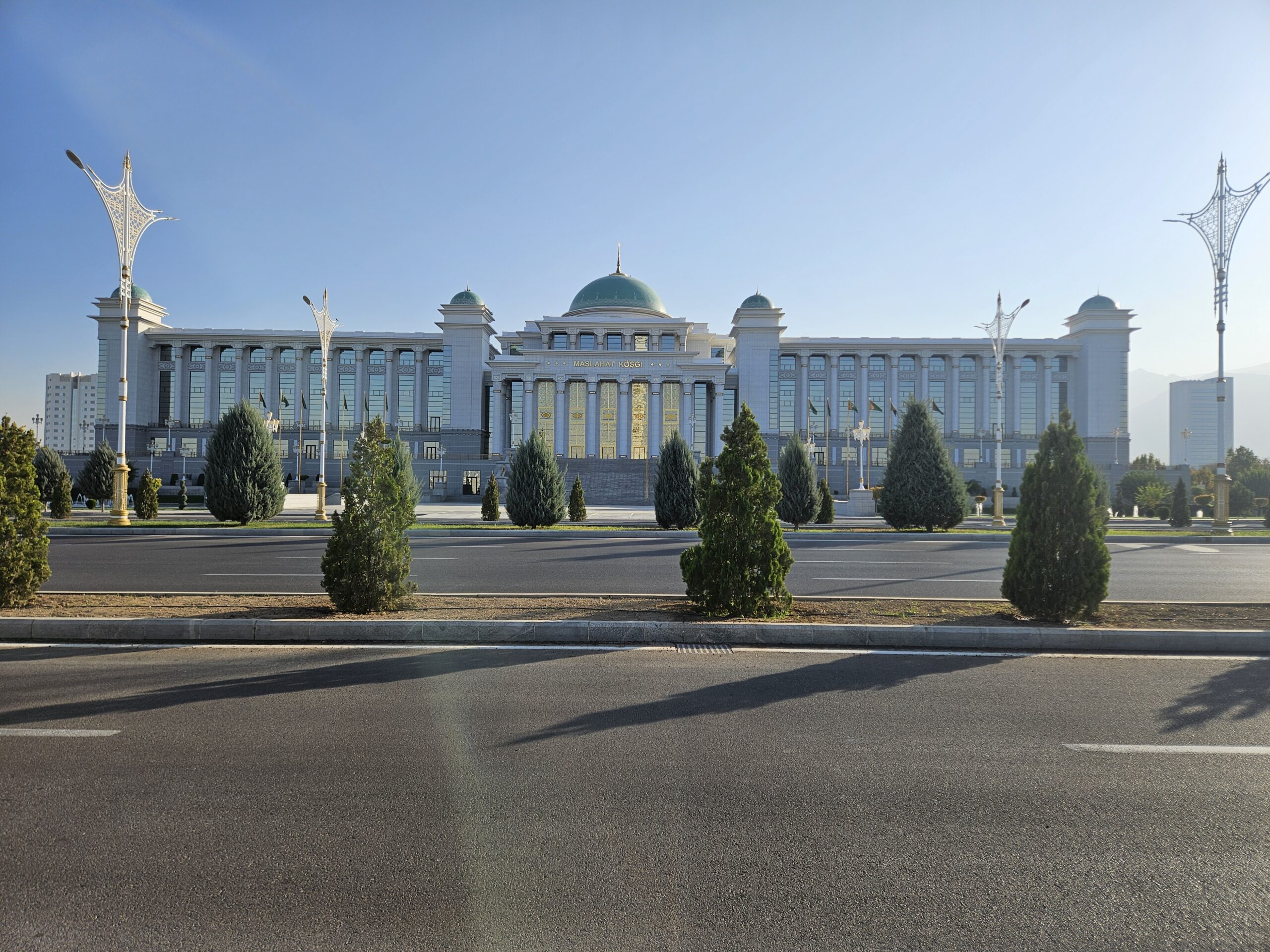
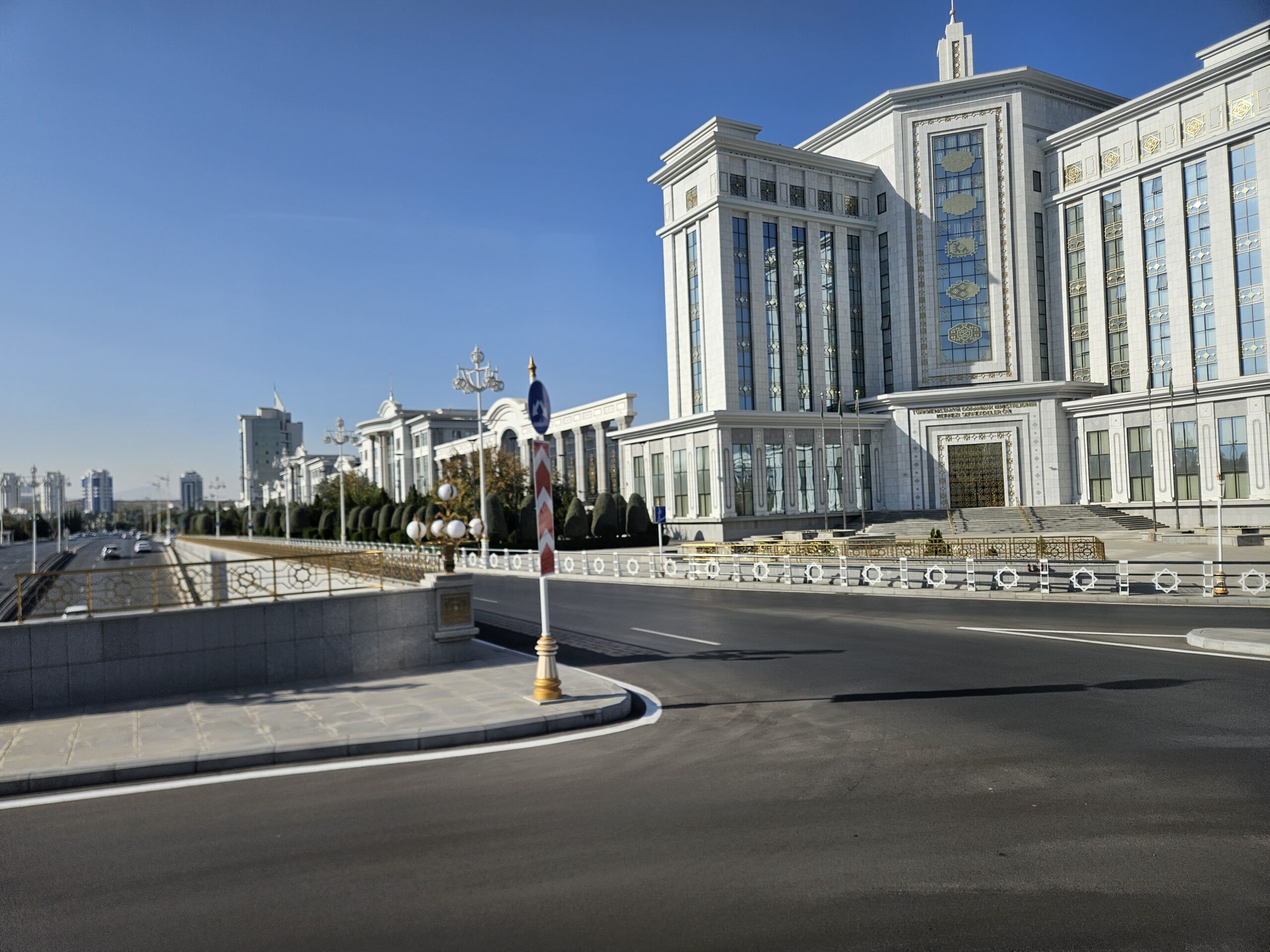
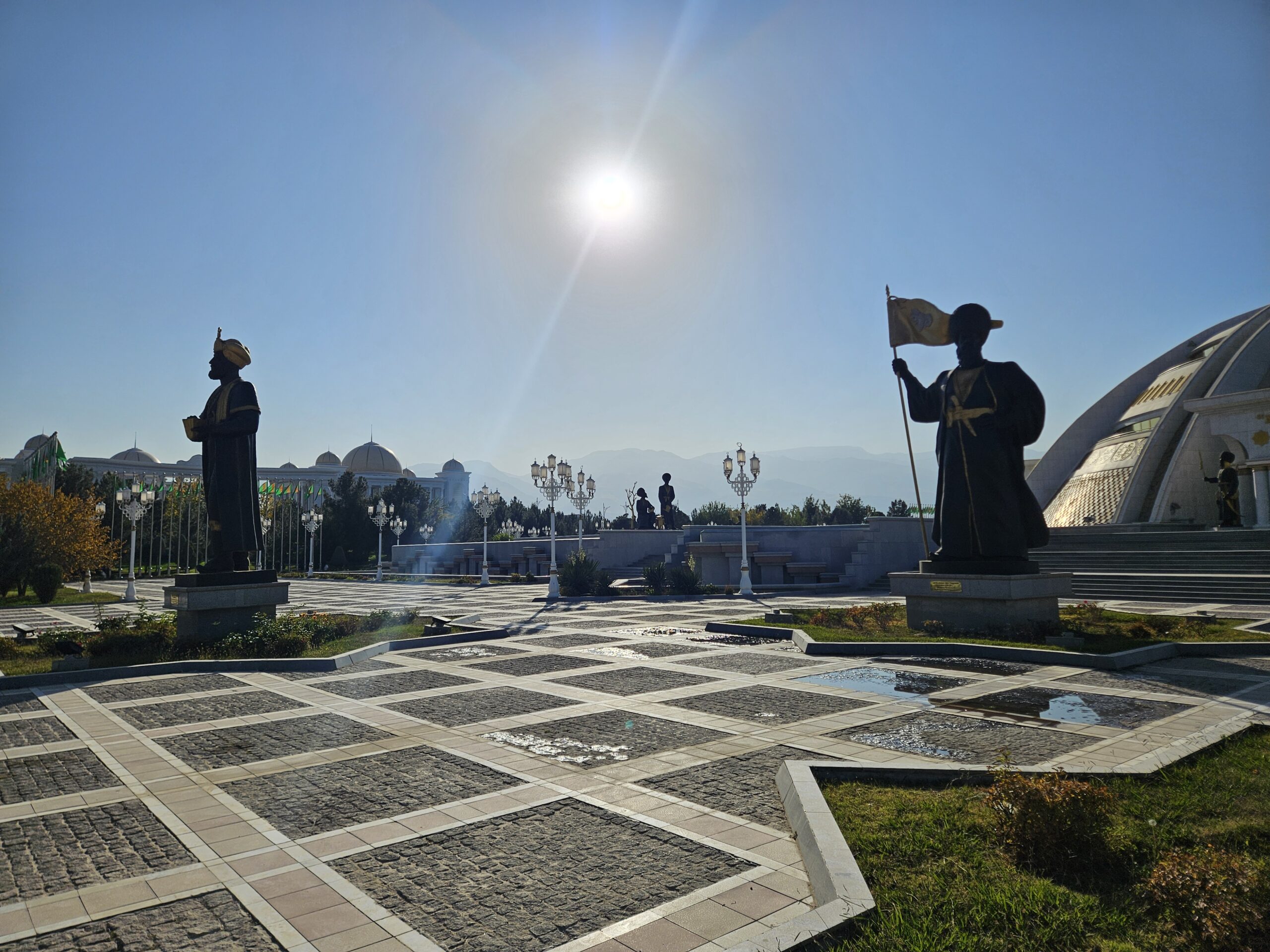
Right from the moment you arrive in Ashgabat, it hits you: this place is different. The capital gleams with white marble, golden domes, and architecture that feels both futuristic and deeply traditional at the same time. The whole scene is surreal – a city that looks like it sprouted out of nowhere in the middle of the desert.
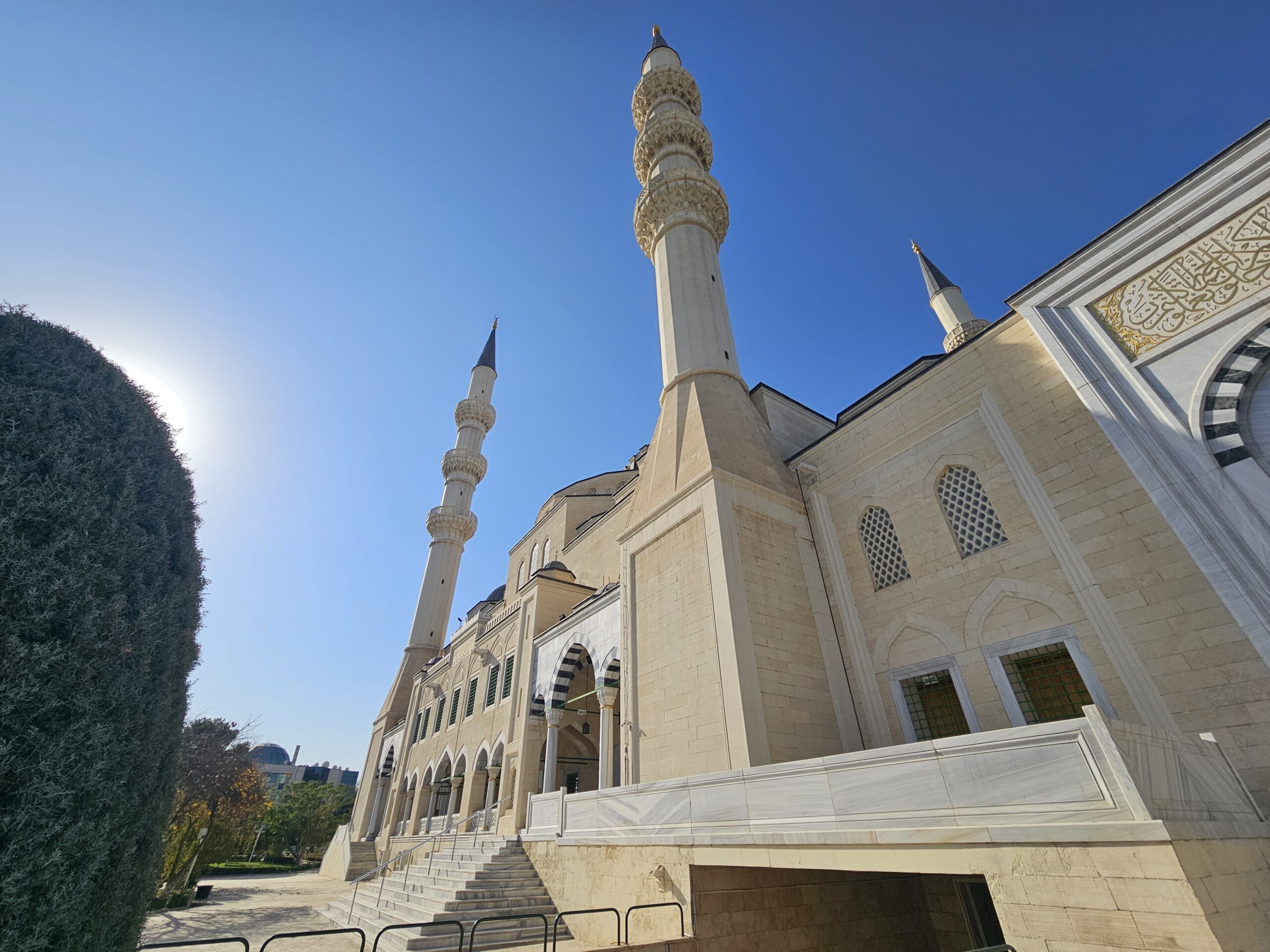
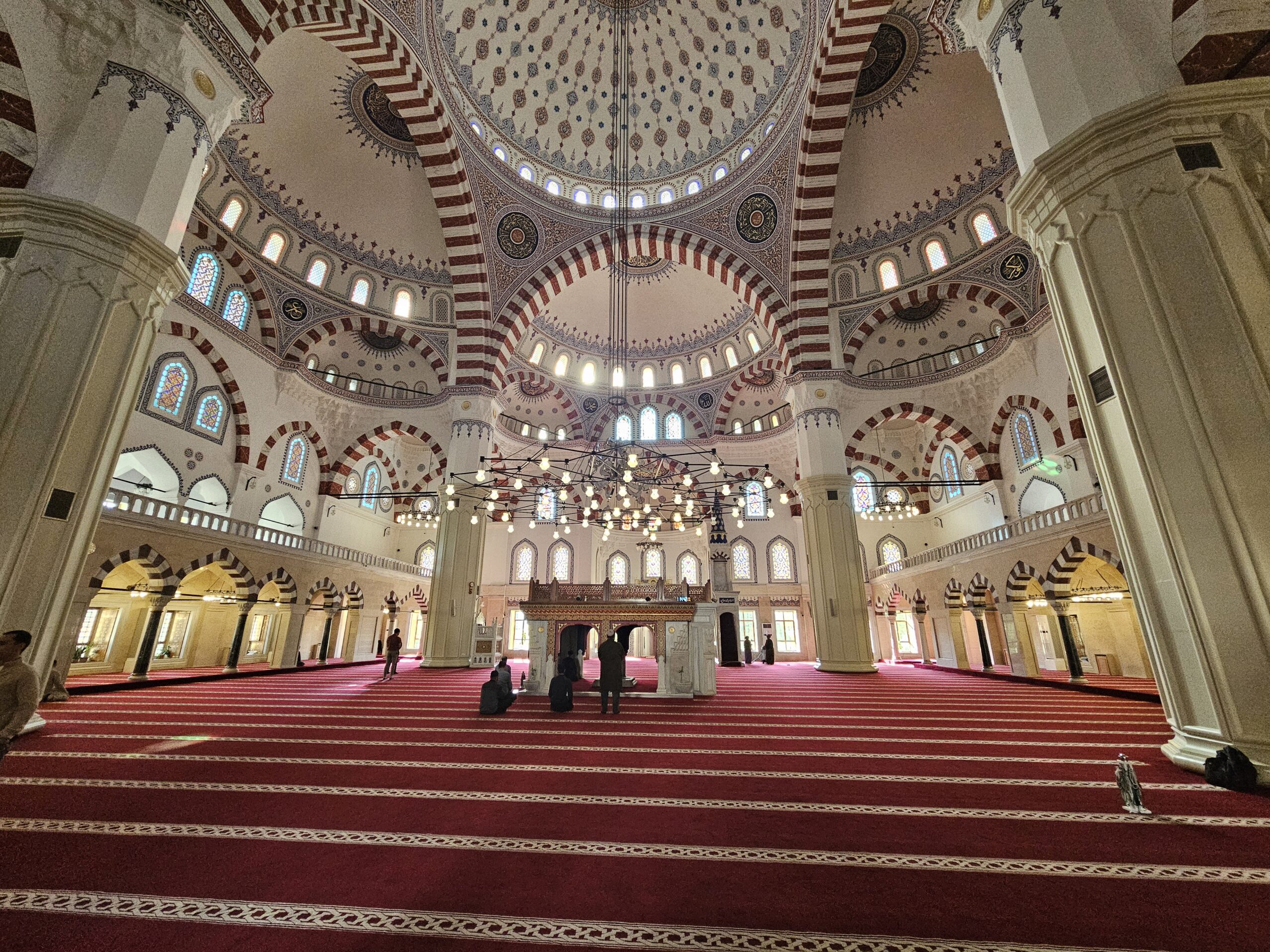
The evening kicks off with a city tour. The Wedding Palace looms majestically over everything, the sleek Yyldyz Hotel glows in the setting sun, and the giant Ferris wheel turns slowly against the evening sky. The Independence Monument, the Ertugrul Gazi Mosque, and the Olympic Stadium – all these landmarks tell the story of a country that’s fiercely proud of its history and identity.
But Ashgabat is way more than just an impressive backdrop. It’s the gateway to a culture that’s deeply rooted in people’s souls.



Merv – Tracing the Silk Road
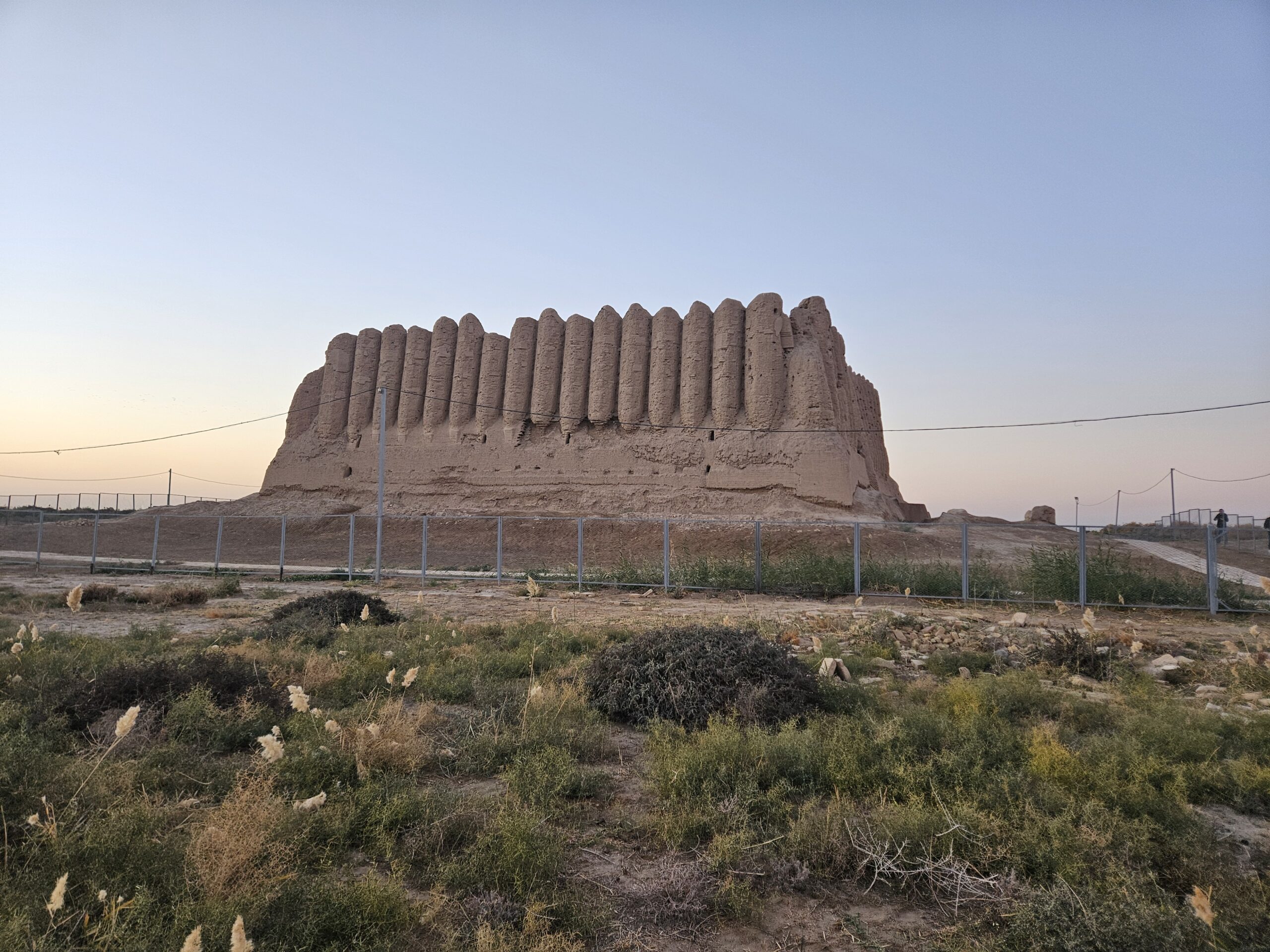
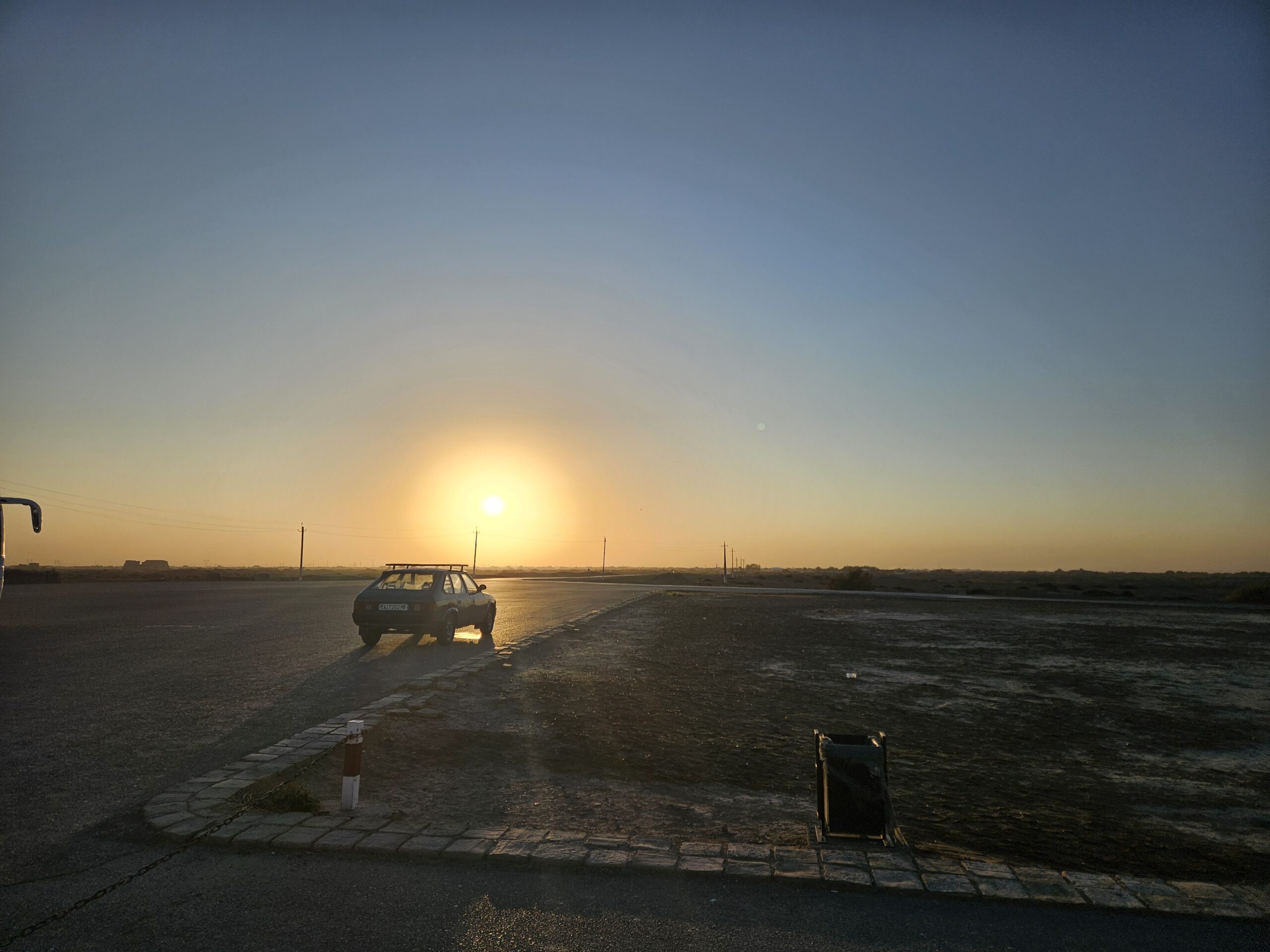
The drive to Mary stretches through endless horizons. 360 kilometers of pure desert. But the effort pays off big time, because waiting at the end is one of history’s most impressive witnesses: Merv.
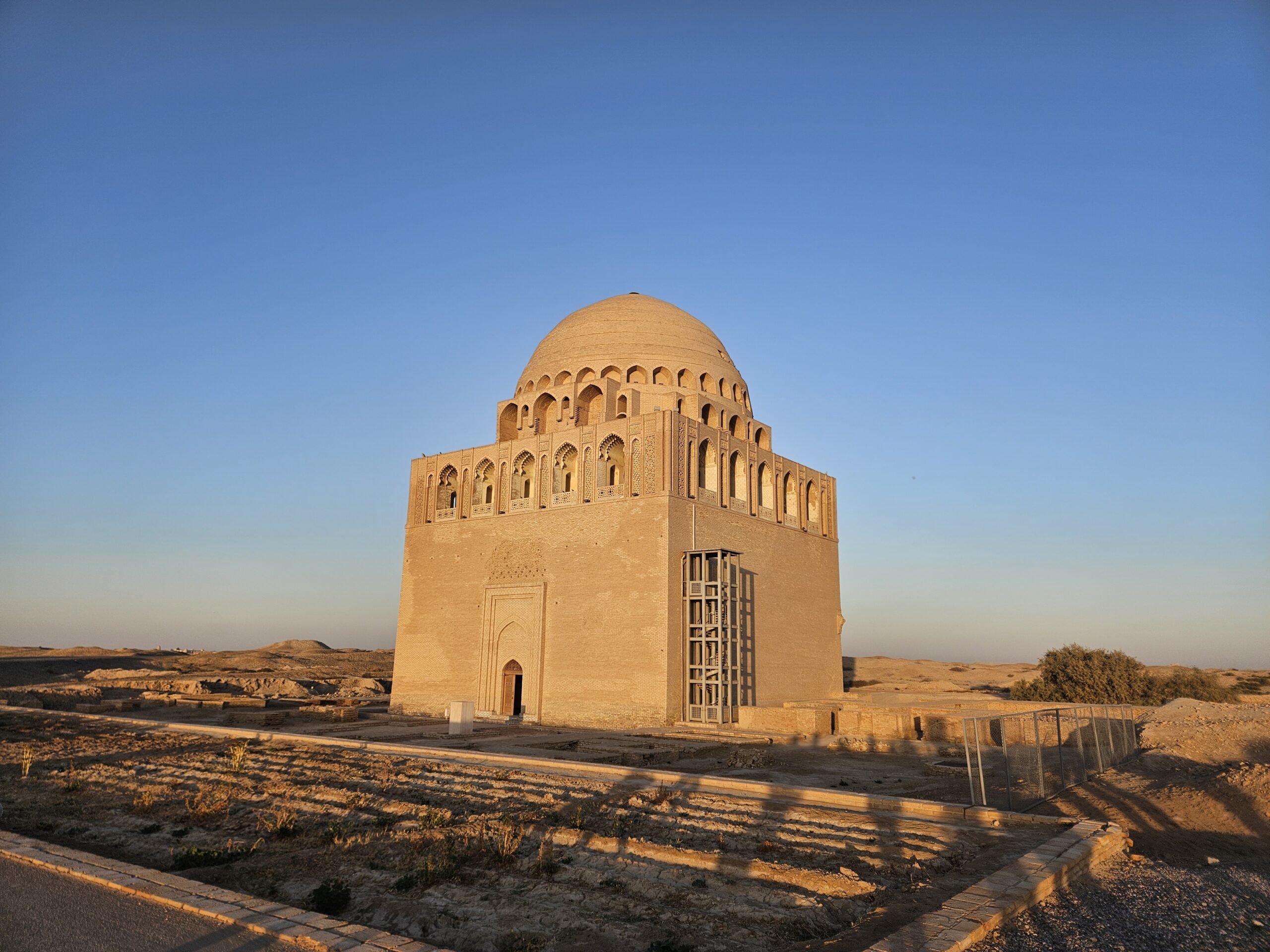
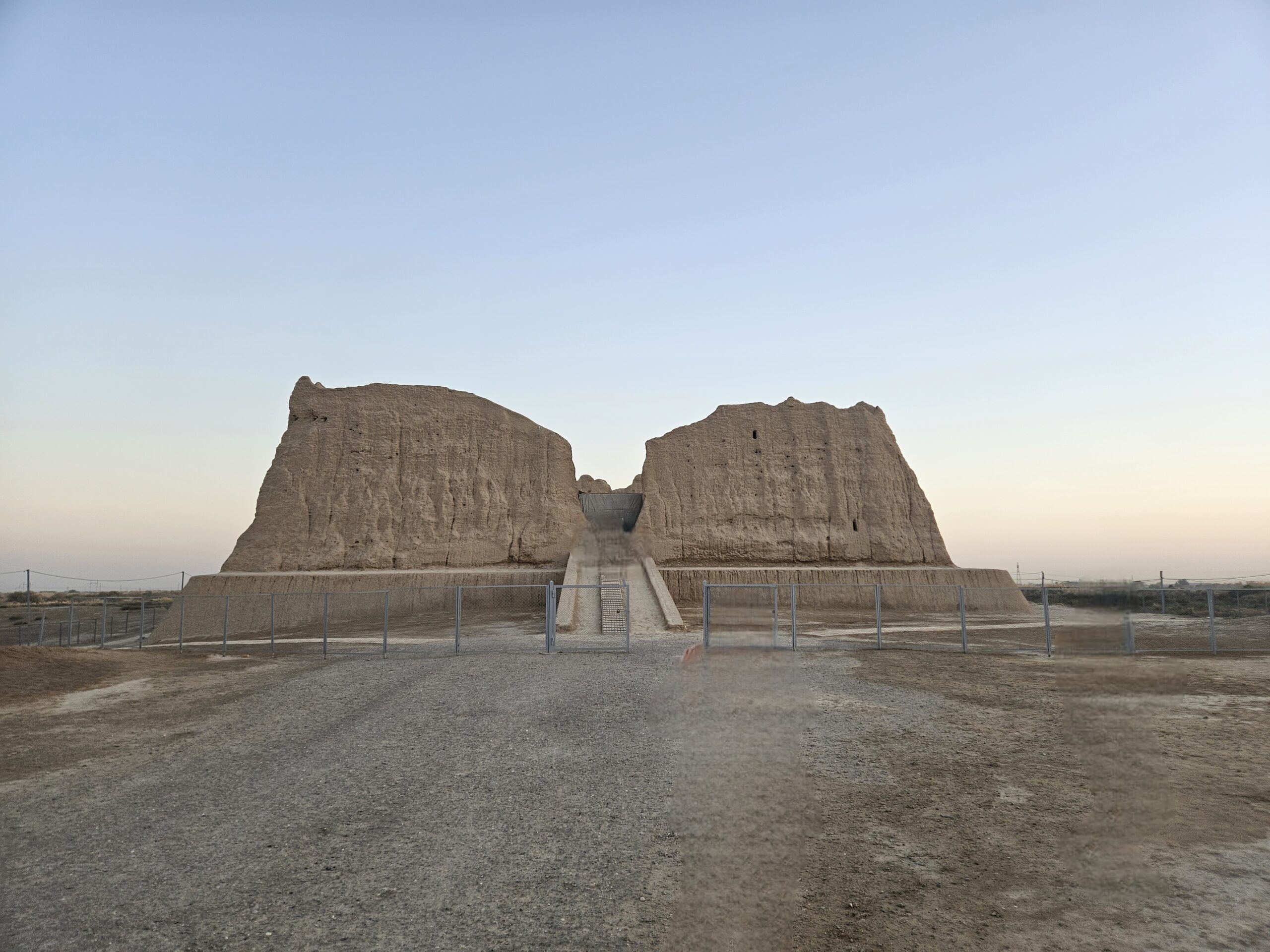
Once one of the largest cities on Earth, Merv was a vital hub on the legendary Silk Road. Today, its ruins stand as silent testaments to bygone eras – Erk Gala from the 6th century BC, Gyaur Gala, the Mausoleum of Sultan Sanjar. Every single stone whispers stories of power, trade, and cultural exchange across centuries.
Standing between these ancient walls, I feel the timelessness of the place. The air is bone-dry, the sun beats down mercilessly. And yet, I sense a deep connection to something far greater – to the people who lived, loved, and dreamed here long before us.
Nisa – In the realm of the Parthians
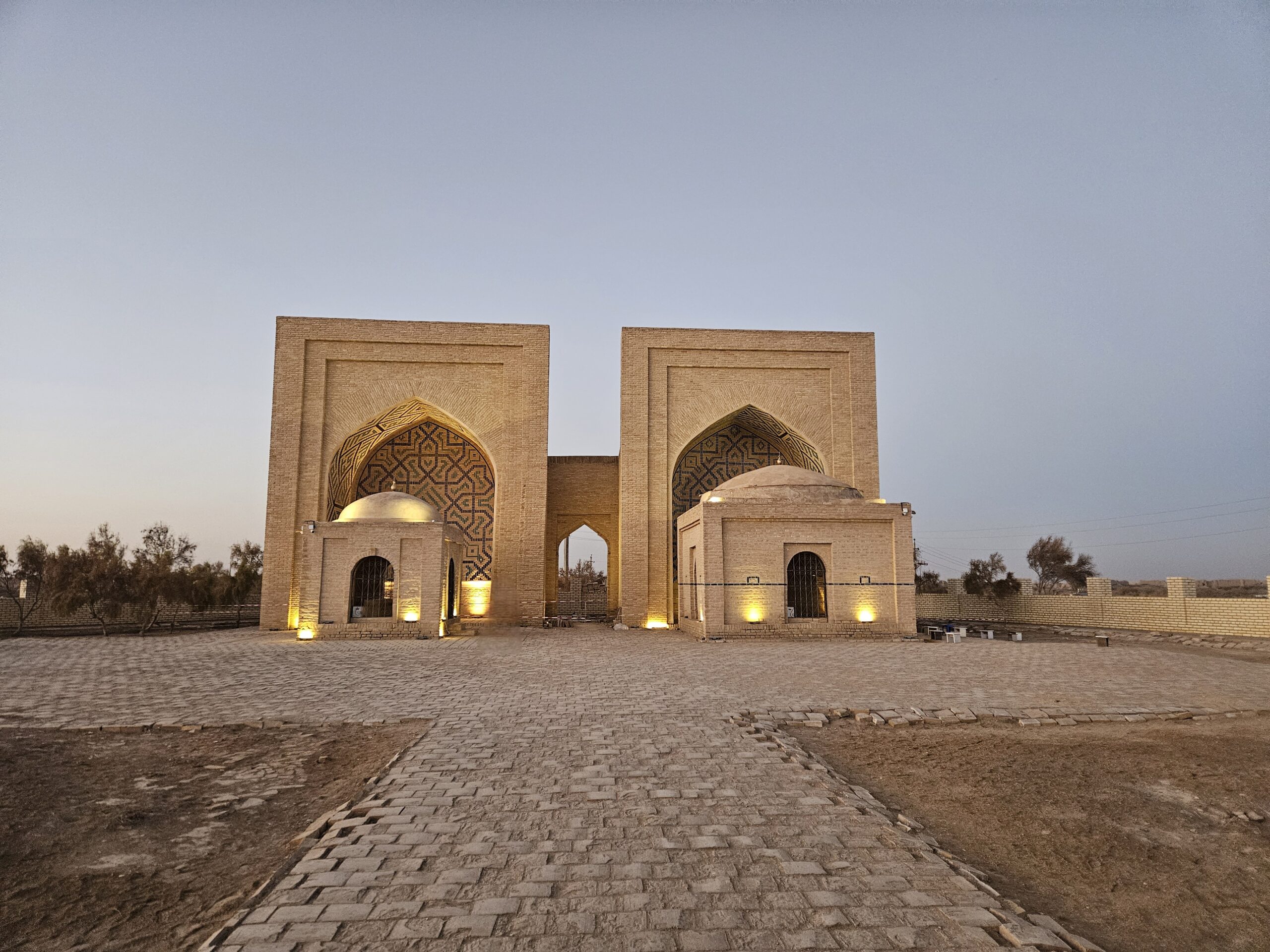
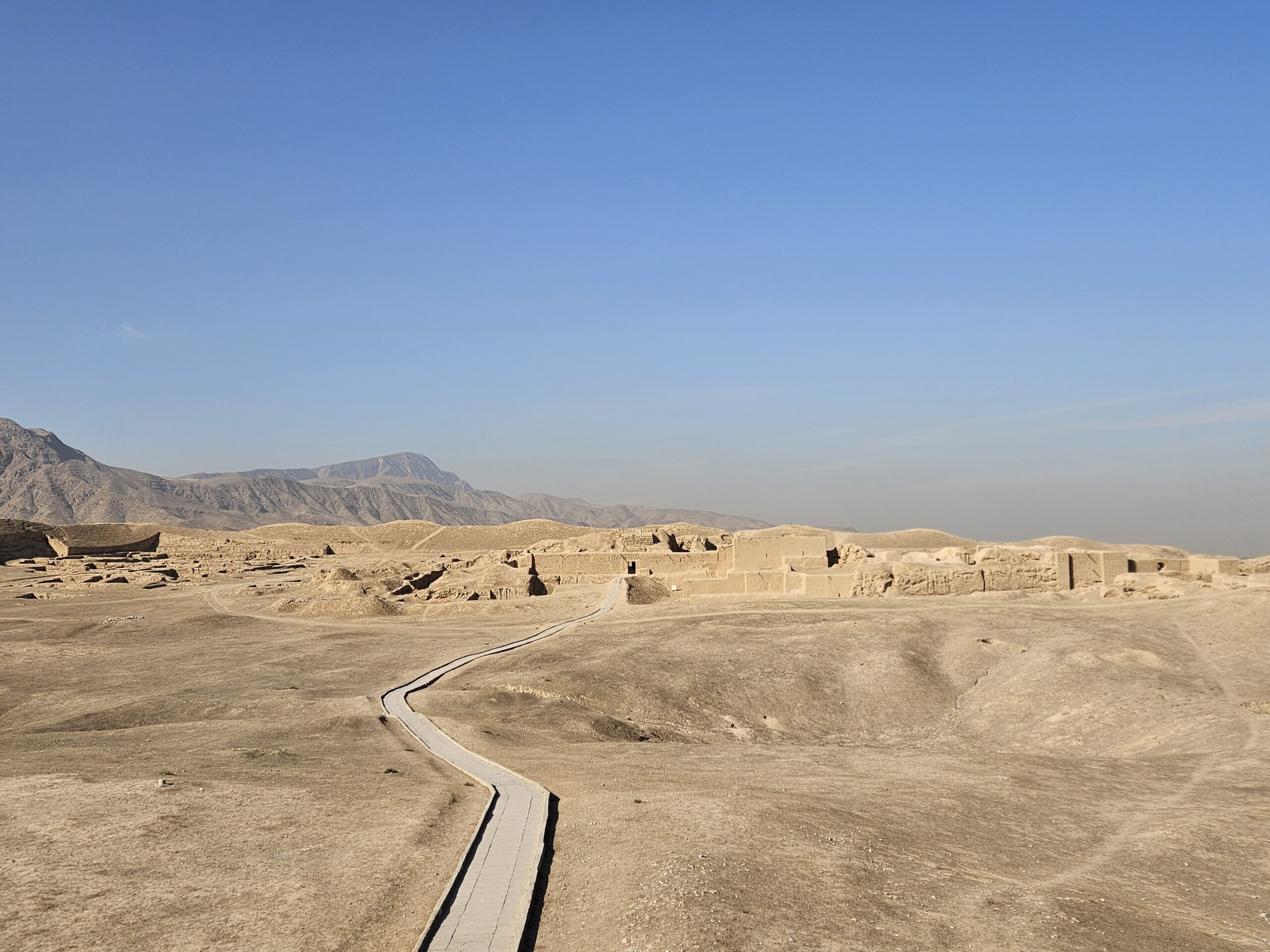
Visiting the Nisa Fortress feels like stepping straight into a time machine. Founded by Arsaces I, Nisa was one of the very first capitals of the Parthian Empire. UNESCO rightly declared it a World Heritage Site in 2007.
Just 18 kilometers from Ashgabat, this ancient settlement sits quietly in the middle of the desert. The ruins are impressive, but what really gets to me is the silence – a silence soaked in history.
Turkmen hospitality in Gokdepe
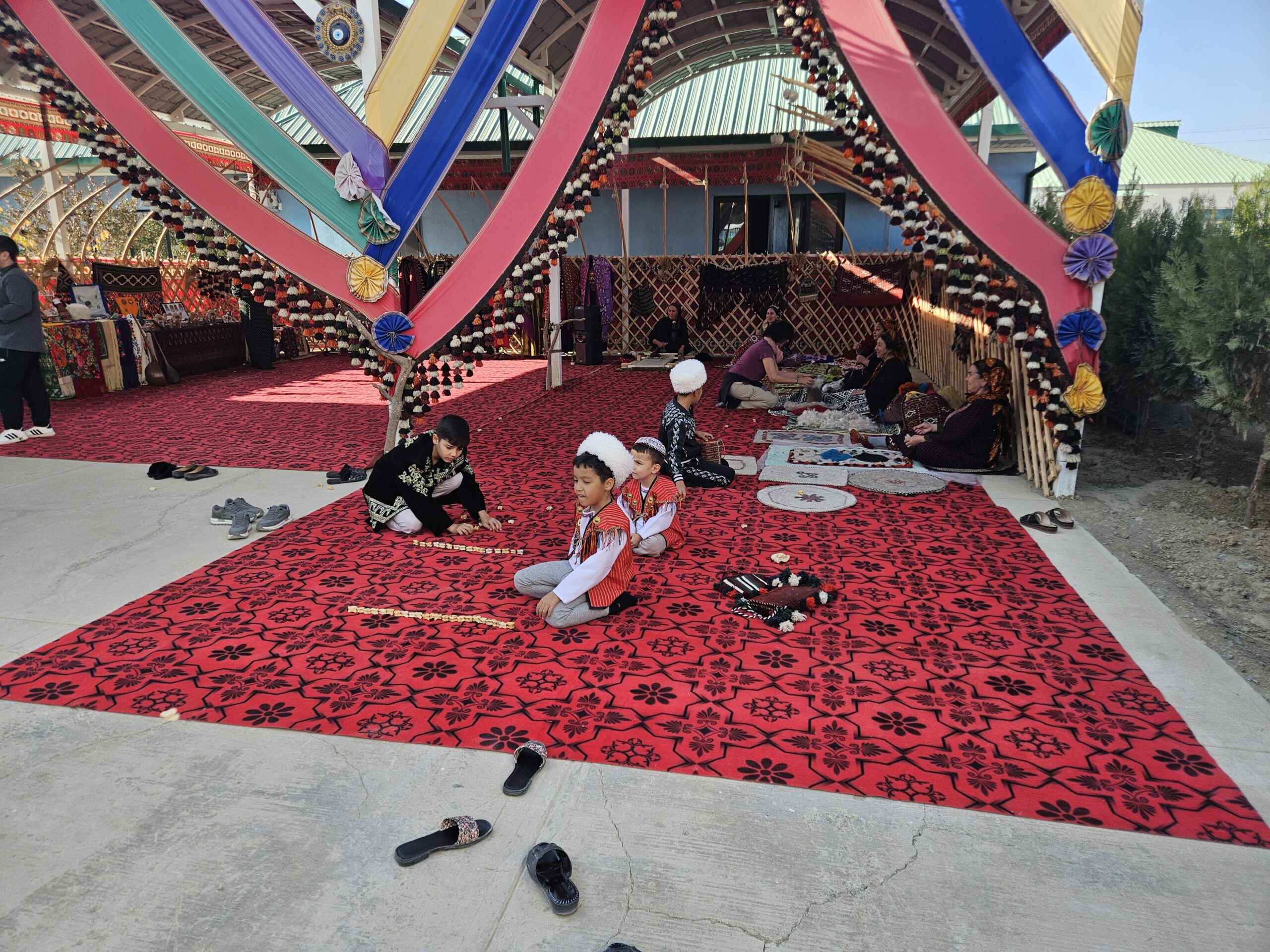
What would a trip be without meeting the people? In Gokdepe, I truly experience what “Turkmen hospitality” means. A local family welcomes us into their home, and I feel instantly at ease, like I belong.
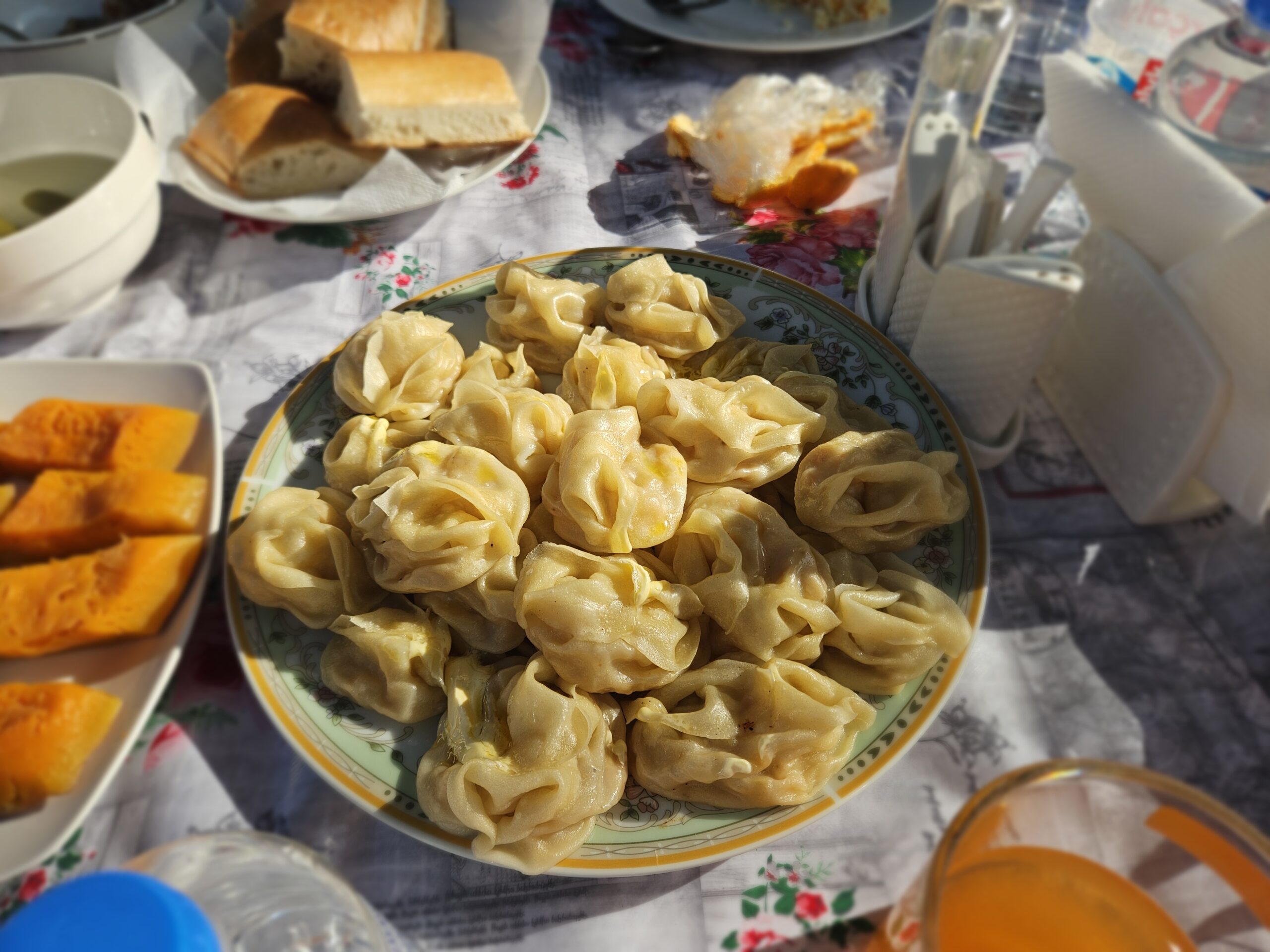
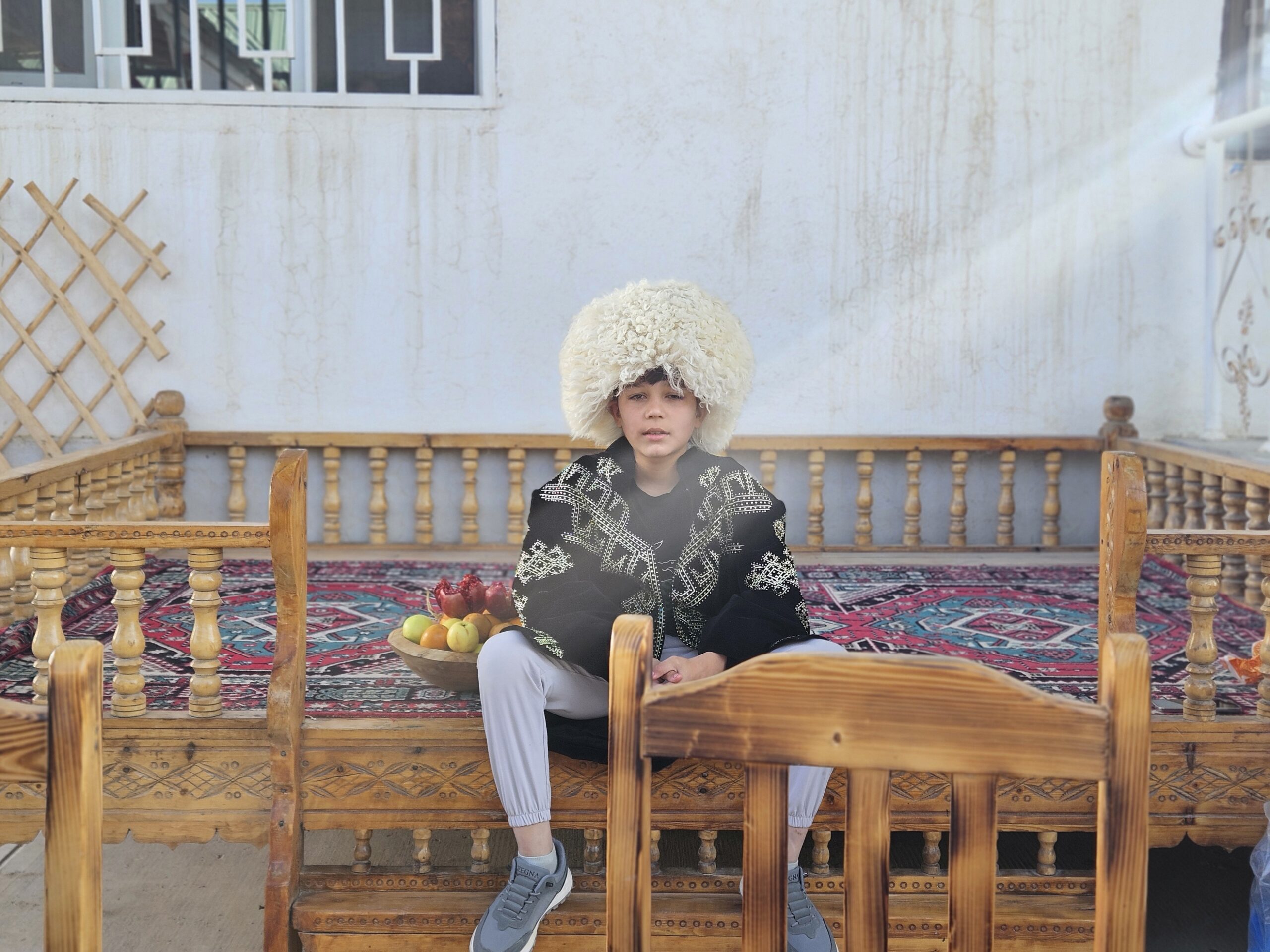
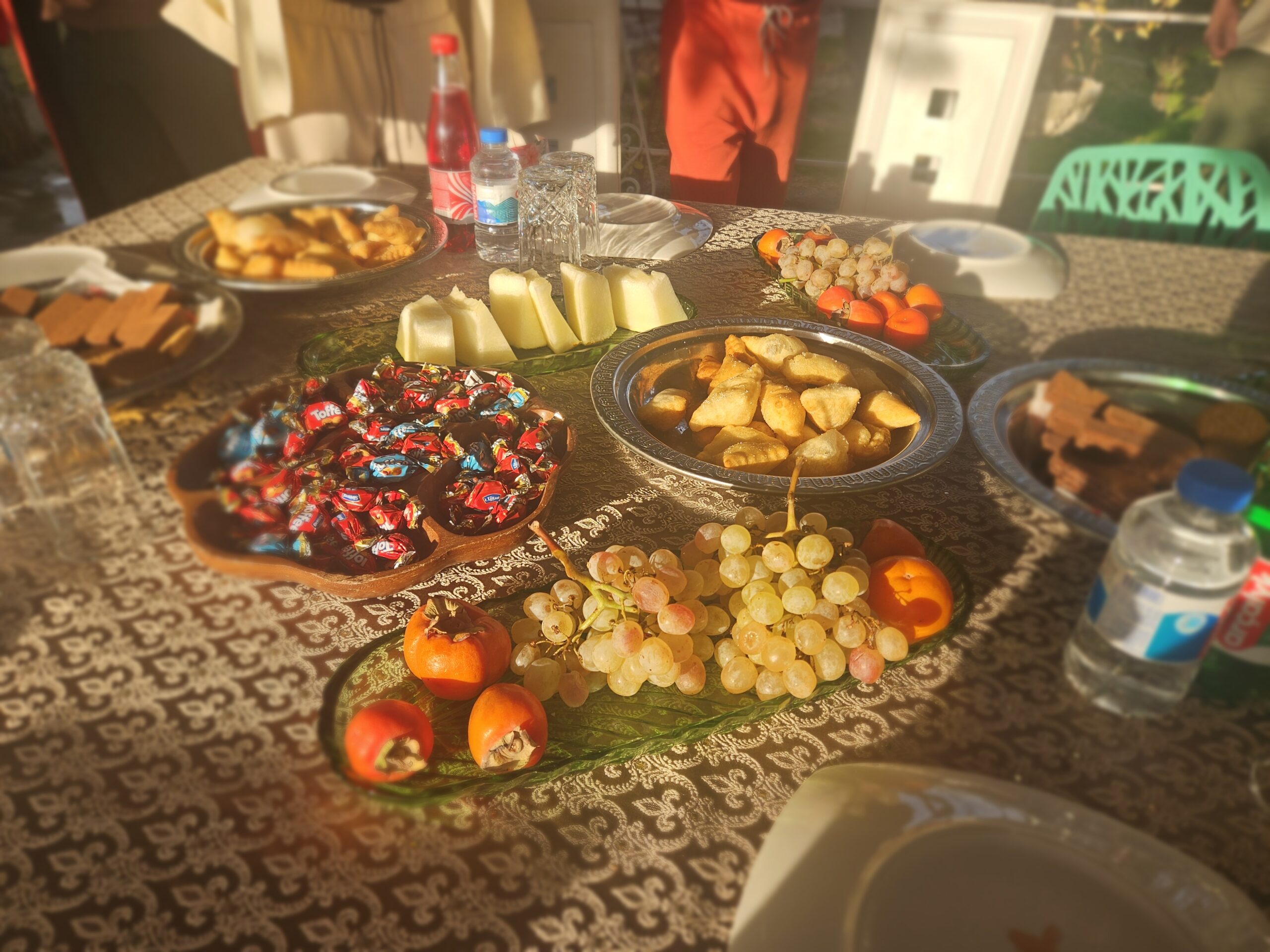
I get to try on traditional Turkmen clothing, learn about the intricate art of carpet weaving, and even give baking Turkmen bread a go. The food is a real feast for the senses – Dograma, Ishlekli, and those irresistible homemade Pishme snacks. Everything prepared with so much love and care.
These are the moments that make a journey unforgettable. Not the perfect Instagram shots, but the real connections – the laughter, the stories shared, the genuine warmth.
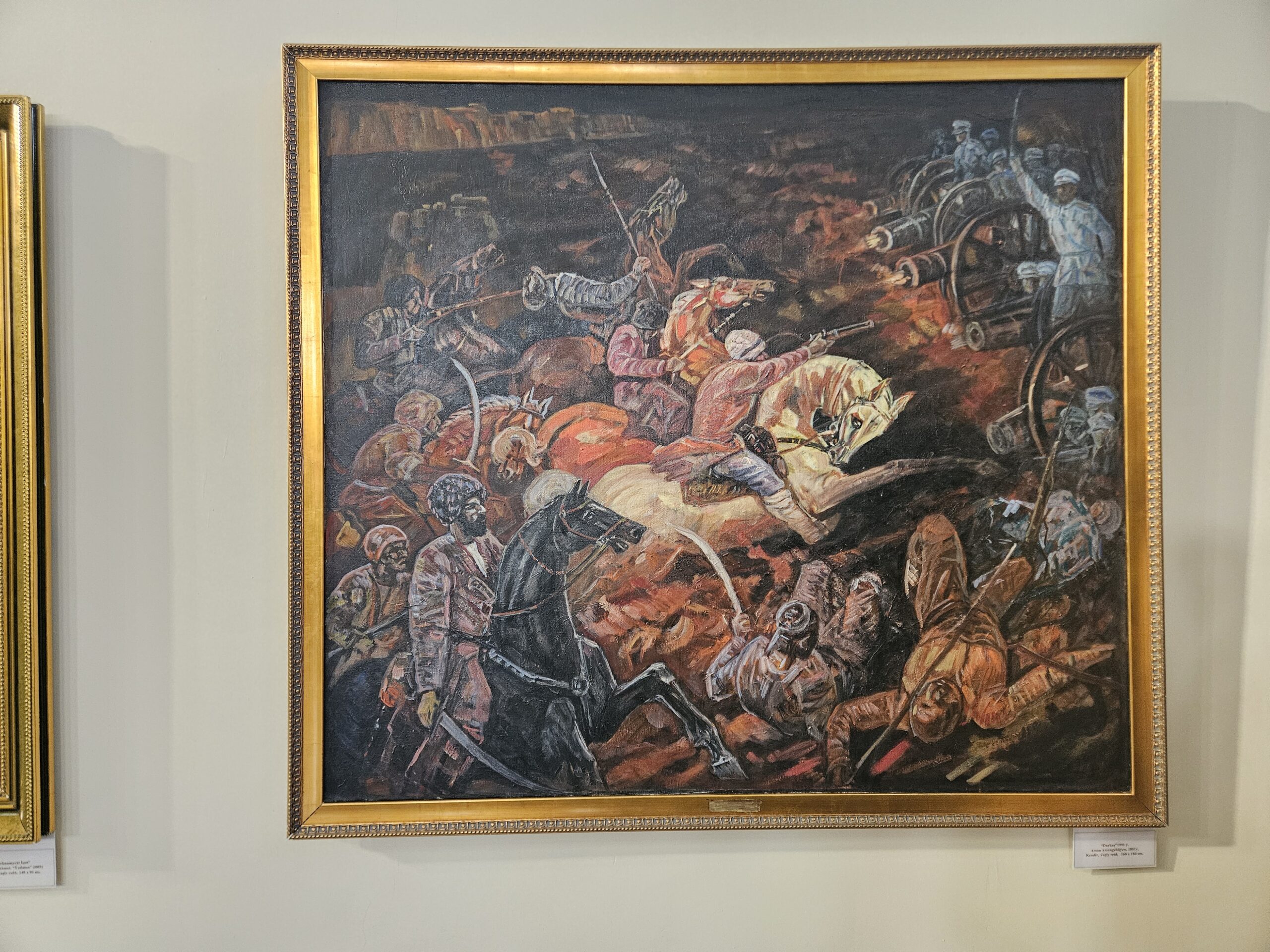
In the afternoon, we visit the Gokdepe Fortress, site of the tragic 1880 siege by the Russian army. The history is painful, but the Gokdepe Mosque, with its stunning mint-turquoise dome and white marble structure, stands as a powerful symbol of hope and renewal.

The Akhal-Teke – The proudest horses in the world
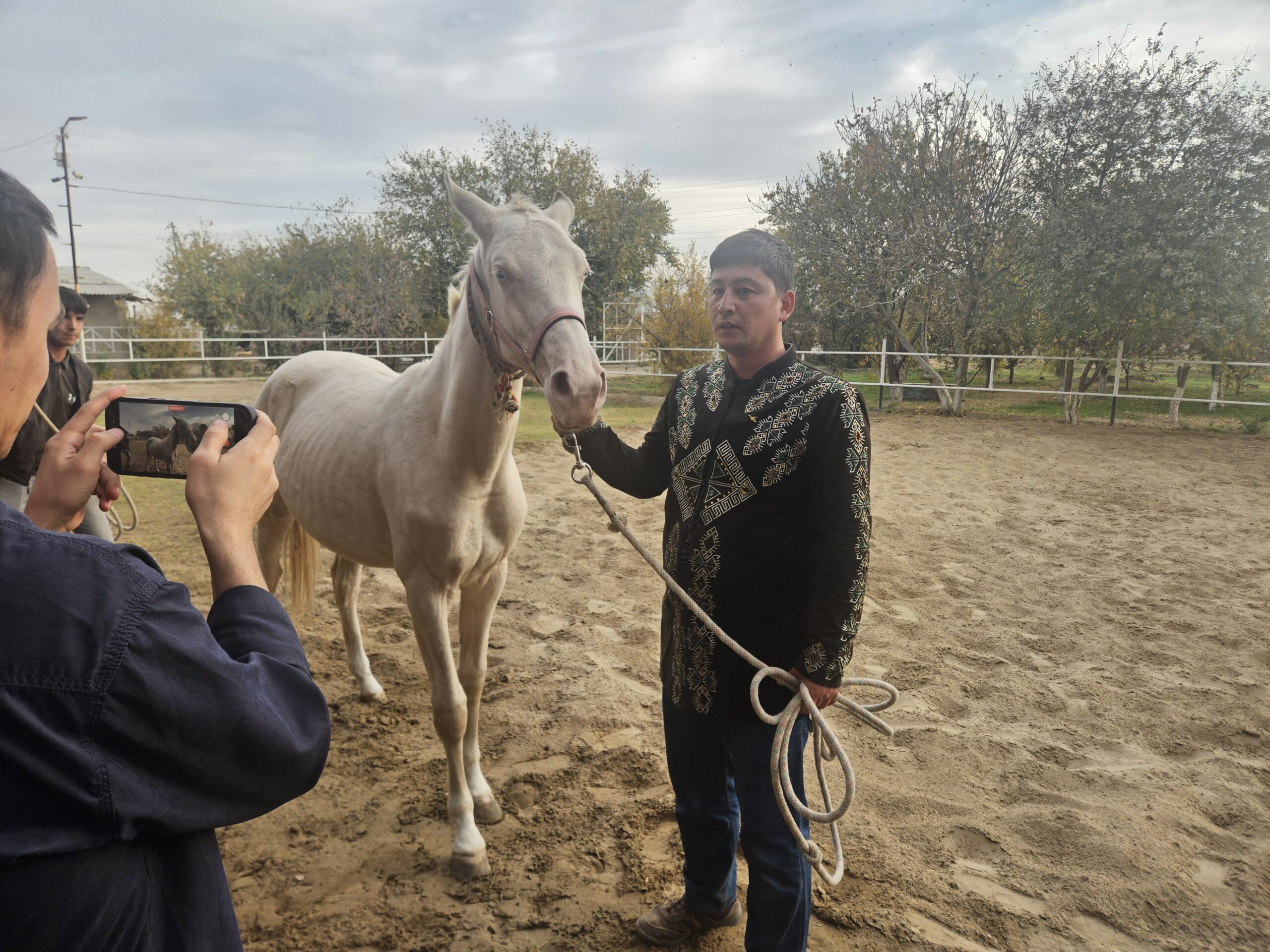
One of the absolute highlights of the trip is visiting the stables where the legendary Akhal-Teke horses live. These horses are the national pride of Turkmenistan – and for damn good reason. For over 5,000 years, the Turkmen people have bred this unique breed, never mixing it with any other.
The horses are breathtakingly beautiful: elegant yet powerful, with that famous metallic sheen that makes their coats look like liquid gold in the sunlight. Legend has it that even Alexander the Great and Darius I dreamed of owning these horses. And there’s an ancient tale that says any sick person who touches an Akhal-Teke will soon recover.
Standing in front of one of these majestic creatures, I’m completely overwhelmed by its grace. In that moment, I totally get why the Turkmen are so incredibly proud of their horses.
The Darvaza Gas Crater – The burning “Gateway to Hell”
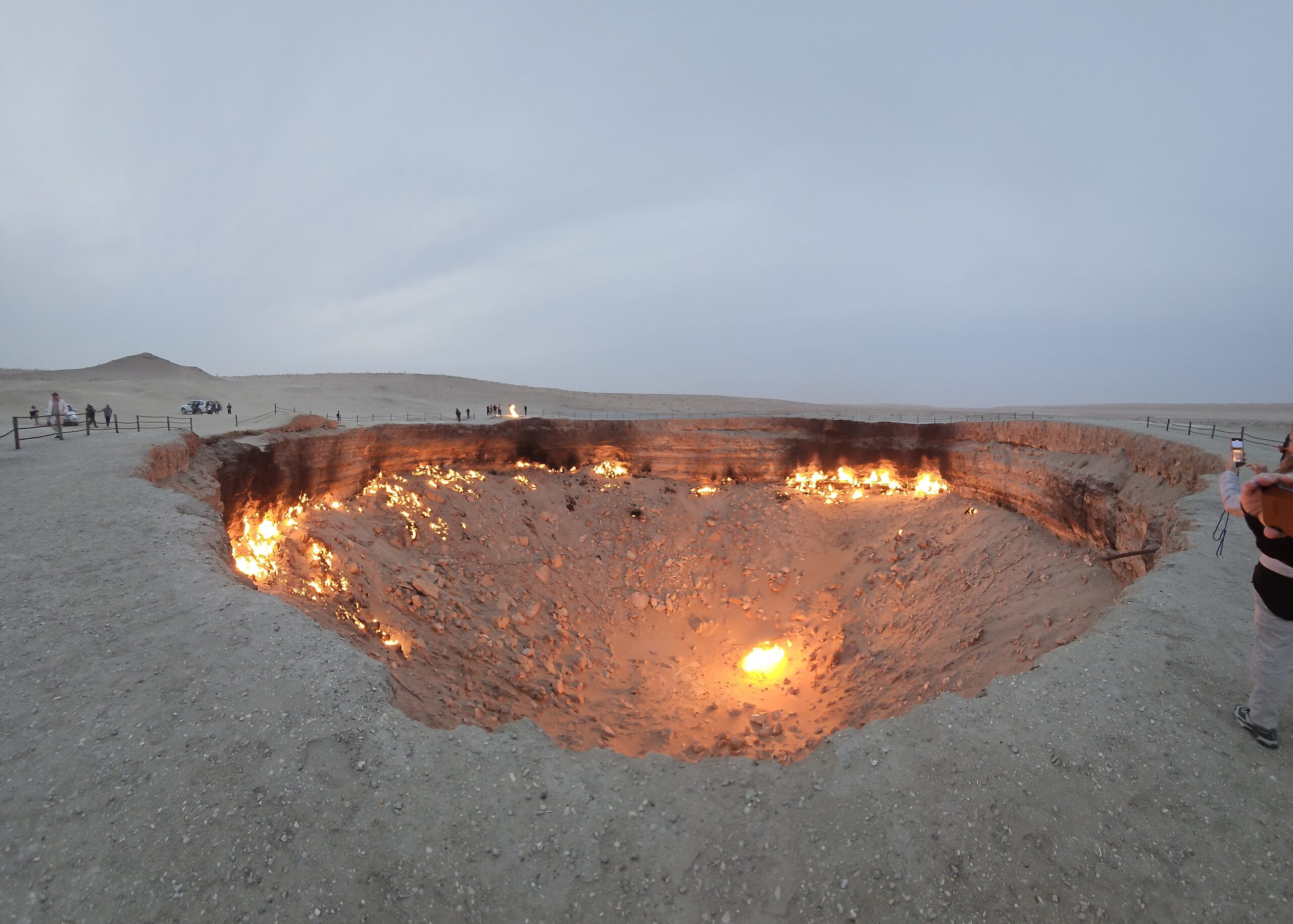
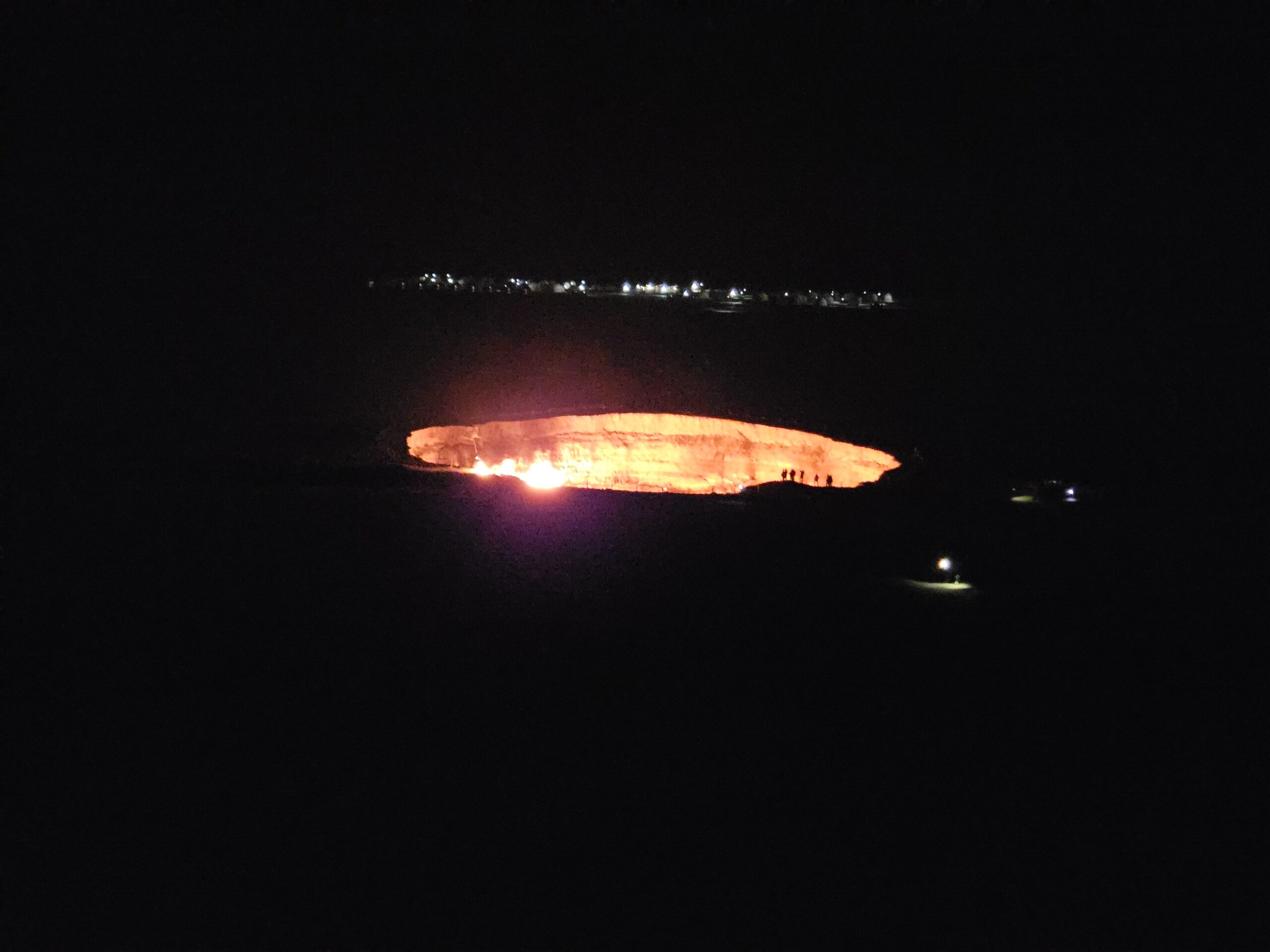
And then comes the moment I’ve been waiting for the entire trip: Darvaza, the infamous “Gateway to Hell”.
The drive through the Karakum Desert is long and endless, but the anticipation builds with every kilometer. When we finally arrive, it’s already dark. And then I see it – a massive, blazing crater right in the middle of the desert. Flames roar up into the night, and even from a distance, you can feel the intense heat radiating off it.
The Darvaza Gas Crater has been burning for over 50 years – a surreal, man-made phenomenon you absolutely have to witness in person. The fire dances wildly in the darkness, and above it all, the starry desert sky is simply mind-blowing.
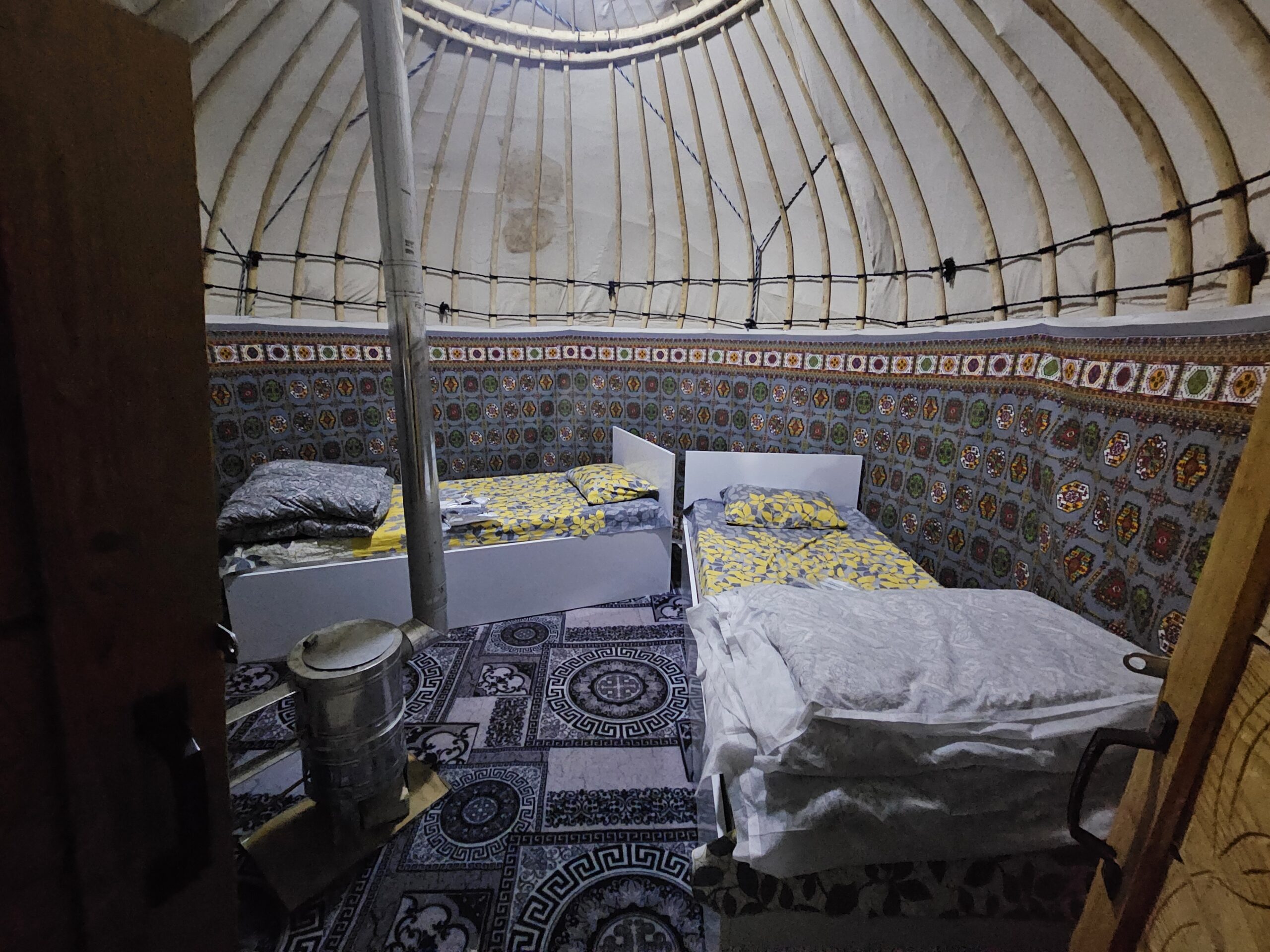
We camp in traditional Turkmen yurts and enjoy a barbecue under the endless night sky. The air is crisp and cool, the silence of the desert filled with this special kind of magic. Words can’t really capture this experience – it’s something you have to feel for yourself.

Carpets, Museums, and Bazaars
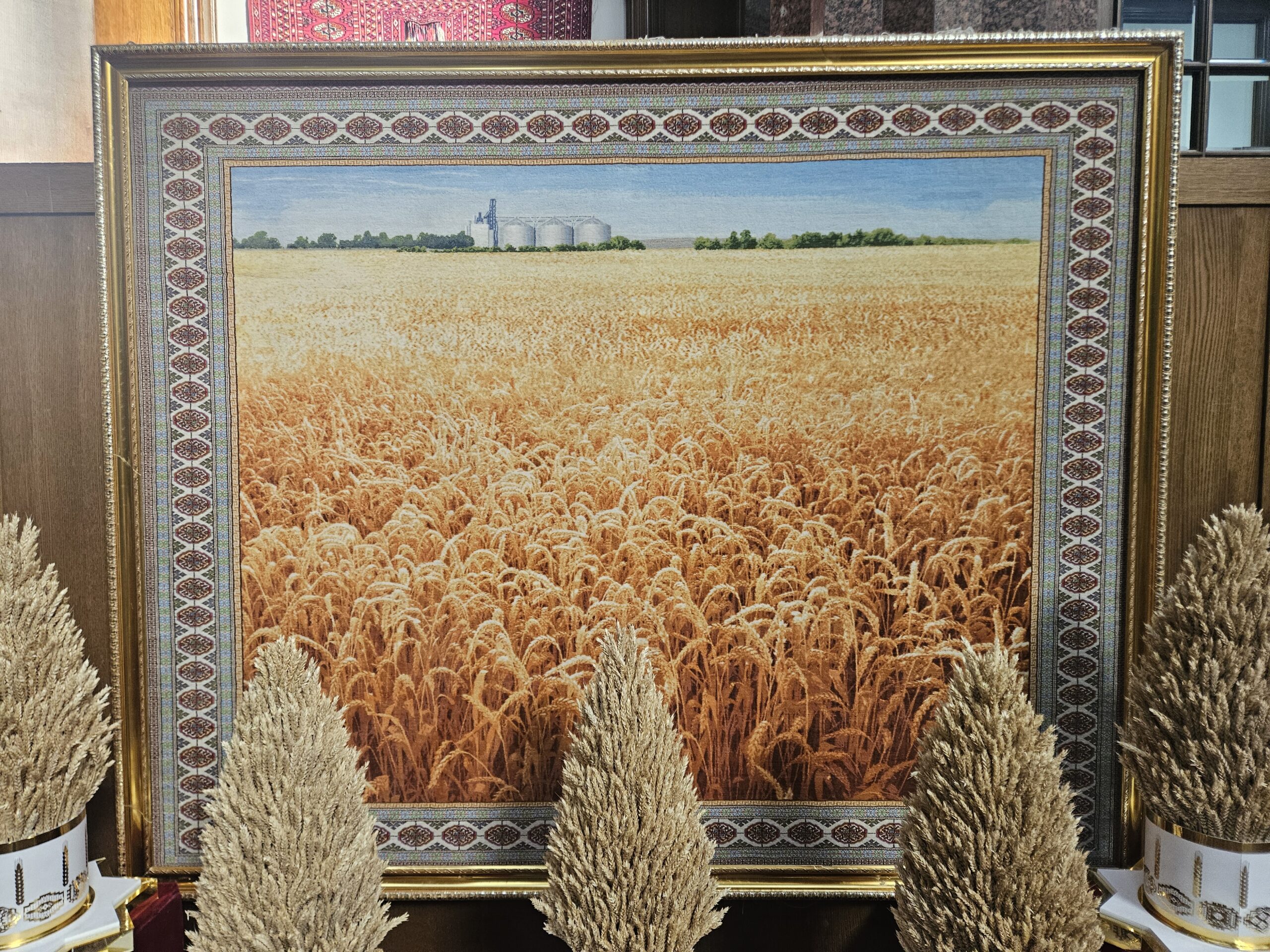
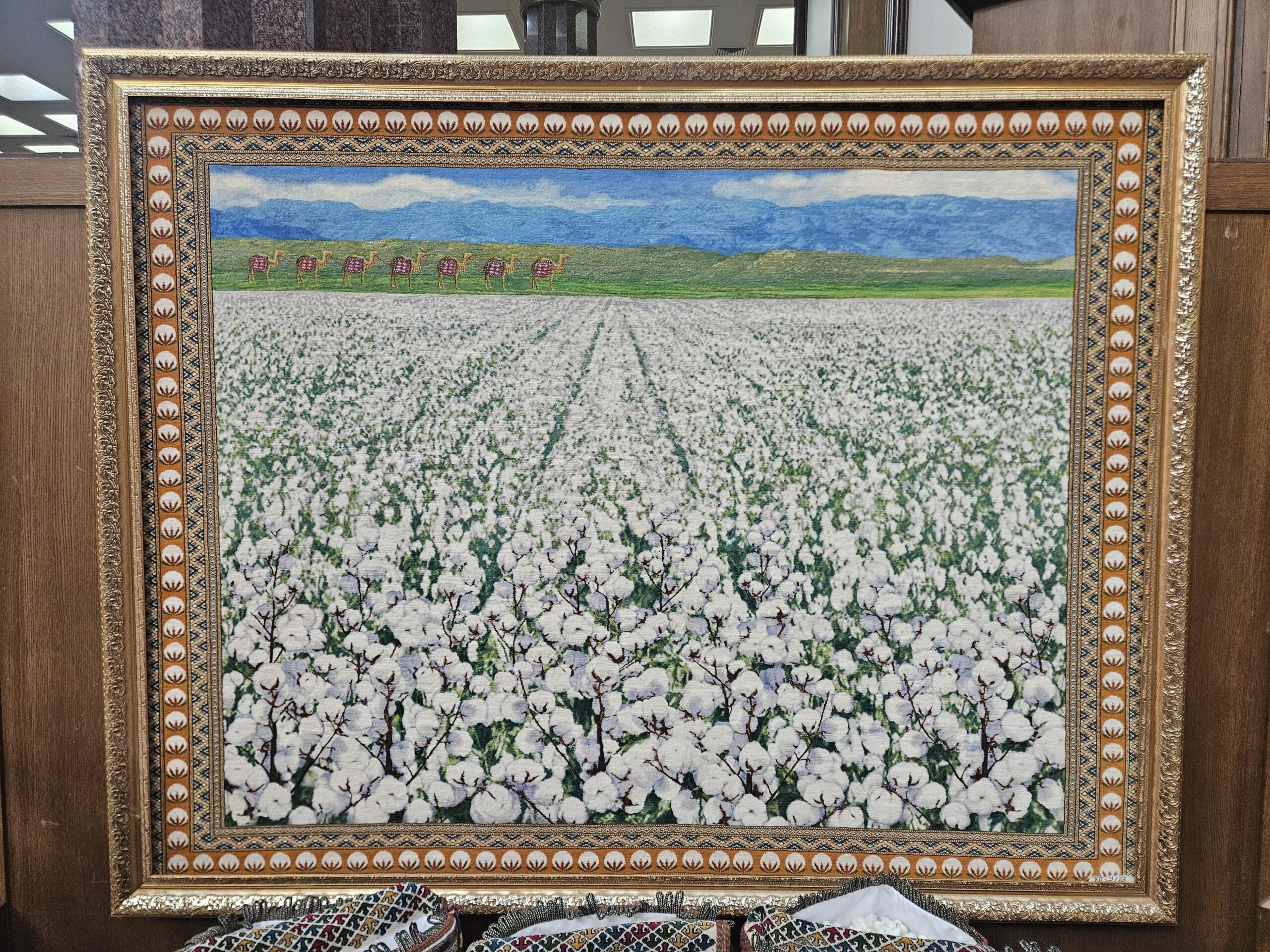
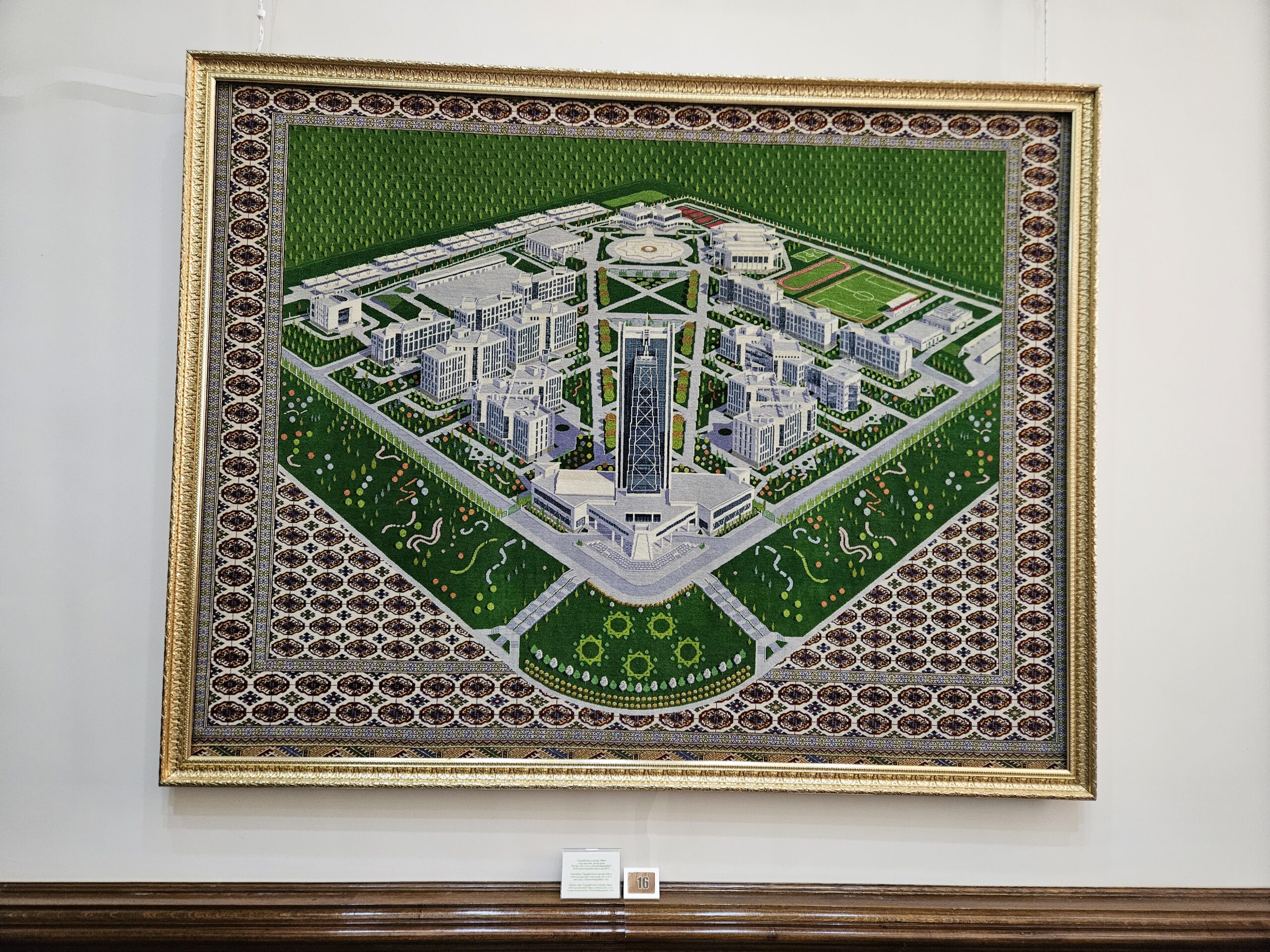
Back in Ashgabat, I head to the Carpet Museum – hands down one of the best in Central Asia. Turkmen carpets are world-famous, and here you can admire the intricate designs of the different tribes: Tekke, Yomud, Saryk, and Chodor. The tiniest rug is so small it could double as a keychain, while the largest hand-knotted carpet in the world (301 square meters!) proudly holds its spot in the Guinness Book of Records.
Next up is the National Museum of History and Ethnography – another absolute highlight. With over 500,000 exhibits, it tells the full story of Turkmenistan, from the earliest civilizations right up to the present day.
And then there’s the Gulistan Bazaar, one of the biggest and oldest covered markets in Ashgabat. It’s got everything: fresh fruits and veggies, meat, fish, spices, nuts, dried fruits, clothes, souvenirs – you name it. The bazaar is a total sensory explosion, a place where life just pulses with energy.

Turkmenistan touches the soul
Turkmenistan is a land of stark contrasts. Futuristic marble architecture meets millennia-old history, endless desert meets green oases, deep-rooted traditions meet incredible hospitality. It’s a country that hasn’t yet been overrun by mass tourism – a place that has fiercely preserved its authenticity.
The genuine encounters with the people, the breathtaking landscapes, the ancient historical sites, and of course that unforgettable burning gas crater – all of it turns Turkmenistan into one of those truly unforgettable destinations.
If you’re willing to embrace the unknown, you’ll be rewarded with experiences that get under your skin. Turkmenistan isn’t for package tourists; it’s for real explorers, for people seeking the genuine and unfiltered.
And who knows – maybe one day you’ll see the flames of Darvaza glowing in the night too.