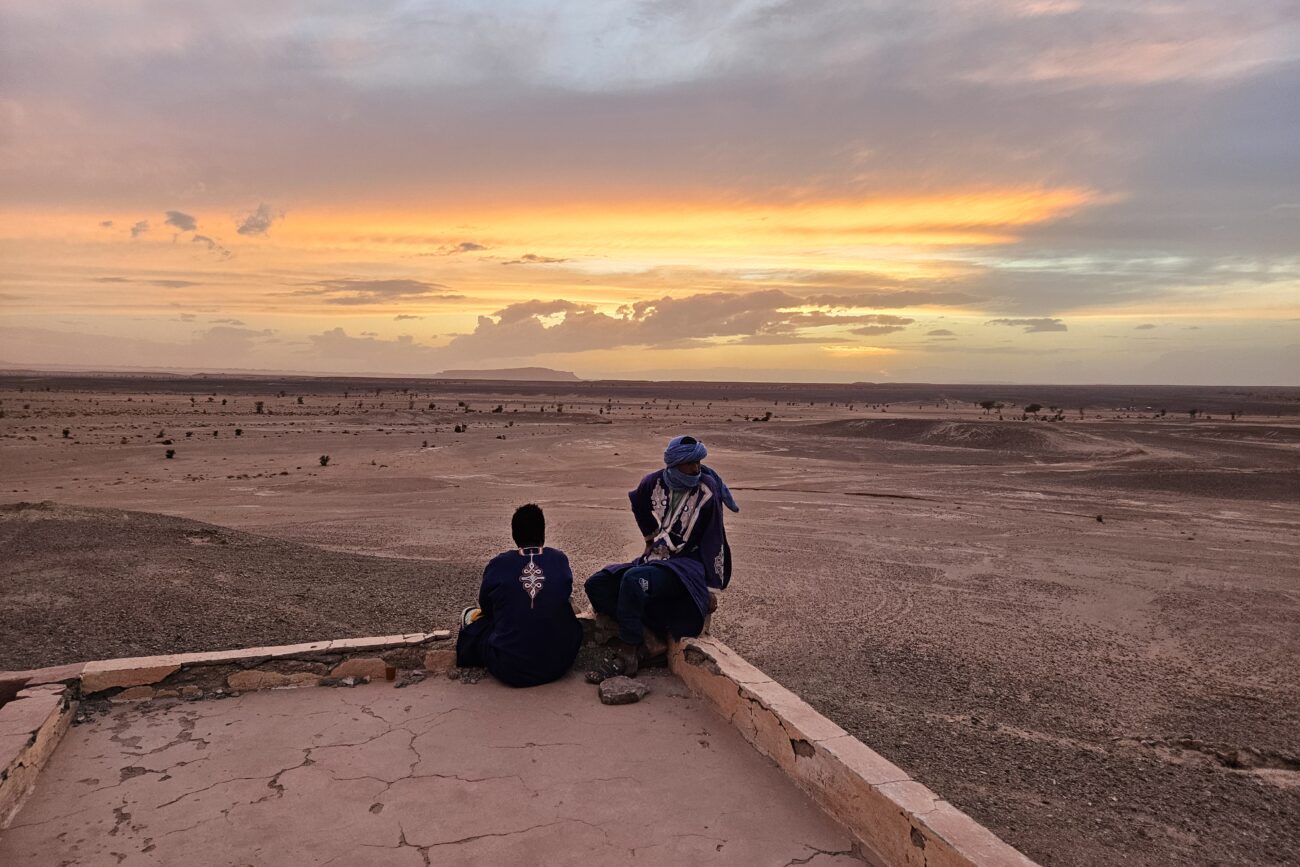
Language is the key to the world.
(Wilhelm von Humboldt)
Creating connections
For me, travelling is more than just discovering new places. In my last post, I explained why I travel: it’s to immerse myself in stories, cultures and people. But what fascinates me most on these trips is language. Language is the pulse of every encounter, the key to understanding and closeness.
I don’t speak every language in the world, and not everyone I meet speaks German, English or the handful of other languages I have learned. But that’s exactly what makes it exciting. Communication while travelling is a dance of words, gestures, glances and laughter – a mix of verbal and non-verbal communication.
A passion for learning languages
Before I travel to a new country, I immerse myself in its language. Not just to be able to communicate, but out of pure curiosity. For me, language is a gateway to the soul of a culture. How did it come about? What stories do its words carry? How have sounds, dialects and expressions been woven together over centuries? I love unravelling the threads of these stories – from the roots of a word to the nuances that a dialect brings with it.
This passion is more than a hobby. It is respect. Respect for the people I meet and for their world. When I speak a few words of the local language at a bazaar in Uzbekistan, I see the smile in my counterpart’s eyes. When I communicate in Kyrgyzstan with my hands, feet and a few learned words, a bridge is created to my counterpart. And it is precisely these moments that make travelling unforgettable for me.
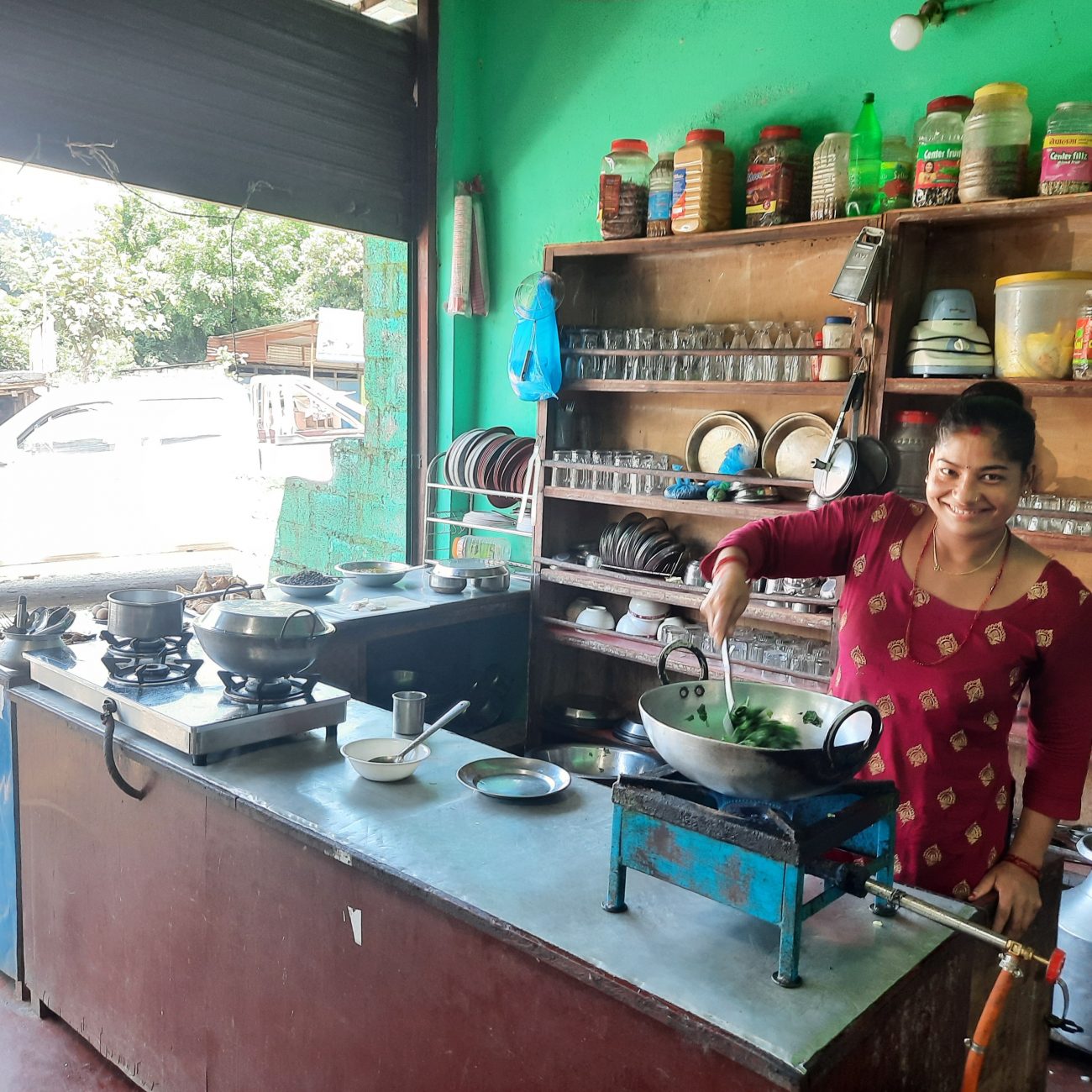
More than words: The essence of communication
Language is more than vocabulary and grammar. It is expression, emotion, identity. The way someone speaks reveals so much: the choice of words, the melody of a voice, the pauses between sentences. From this, I can read respect, warmth, sometimes insecurity or pride. It is as if I can see part of the person through their language.
I remember a market in a small town in the Mekong Delta, Vietnam. An elderly man was selling fruit, and his bright green pomelos caught my eye. Full of pride and a little awkwardly, I asked the price in Vietnamese. He grinned crookedly, his eyes sparkling. With a rough voice and lively gestures, he showed me the different pomelos on his cart. I pointed to one, he grabbed it, made a motion as if to peel it, and I nodded. In a flash, he cut the fruit with a knife, put it in a bag, pulled a few crumpled banknotes out of his trouser pocket to show me the price. I paid, we smiled at each other, nodded gratefully – and said goodbye. The old man and I didn’t share a common language, but his gestures, his smile and the warmth in his eyes spoke volumes. We “talked” with our hands and our eyes, and in the end I felt understood – and he felt seen. Moments like these show that communication is more than words. It is connection. It is humanity.
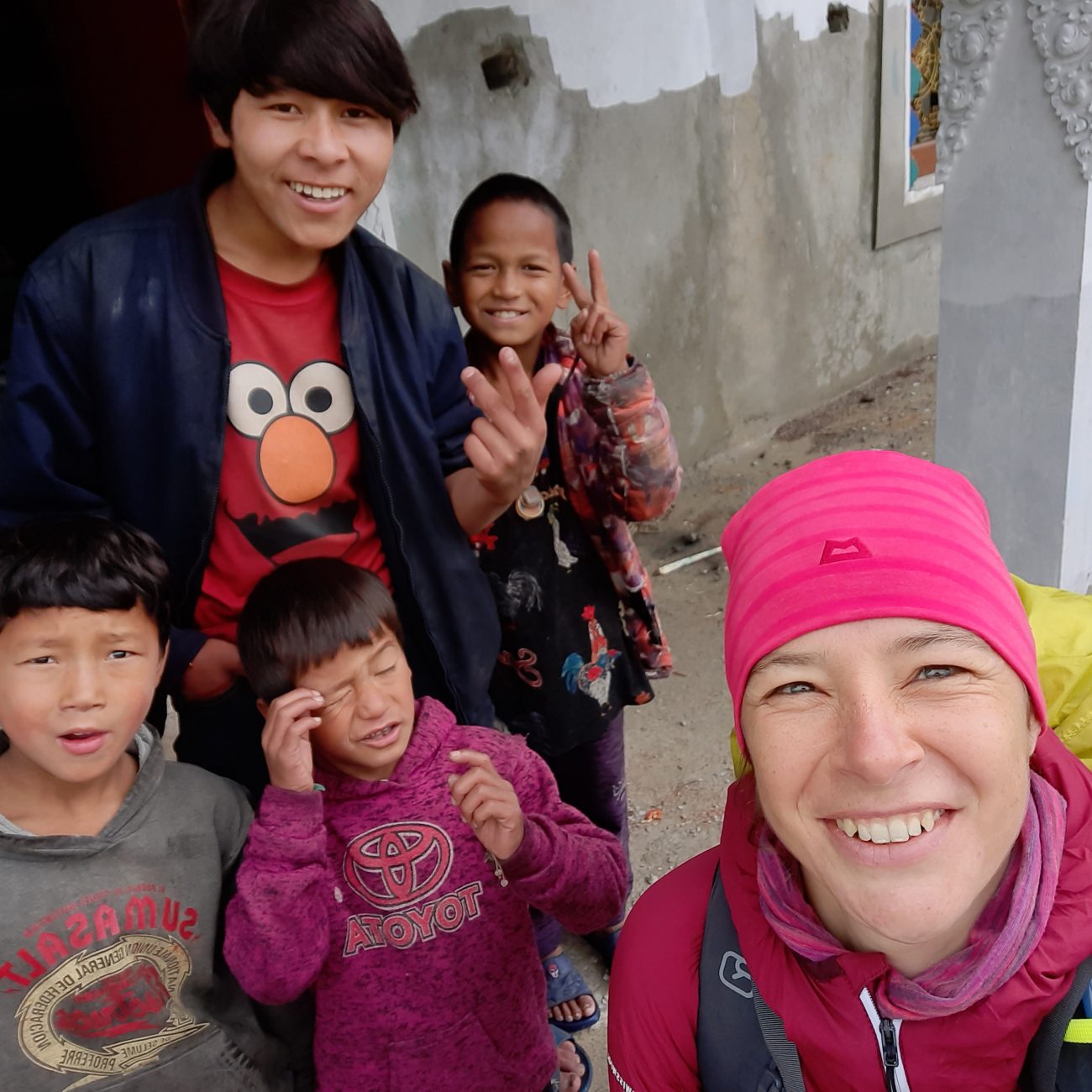
Language as a mirror of encounter
Language shapes not only how I perceive my counterpart, but also how I present myself. What do I reveal? How open am I? Do I trust? These questions arise in every conversation, especially when the language is foreign. I decide how much of myself I share, how I present myself, whether I stay or go. And sometimes I realise that the biggest hurdle is not the language, but my own willingness to engage.
Language is not only communication, but also an act of listening. When I learn someone else’s language, I hear not only their words, but their world. And sometimes I also hear myself – my prejudices, my assumptions, my limitations.
For me, language is the core of travelling. It opens doors, creates closeness and also challenges me. It reminds me how diverse the world is – and how connected we are despite all our differences. Every new language I learn, every conversation I have, every encounter that touches me leaves its mark.
So, with my translator in hand and curiosity in my luggage, I continue my journey. Ready to listen and learn. Ready to understand the world a little better and find my place in it.