Uzbekistan – a country that not only impresses with its stunning architecture and thousands of years of history, but above all with its people: incredibly warm, proud of their culture, and very hospitable. A trip through the cities of Tashkent, Samarkand, Bukhara, and Khiva is an immersion into a world full of contrasts, colors, and stories.
Tashkent: Between tradition and modernity
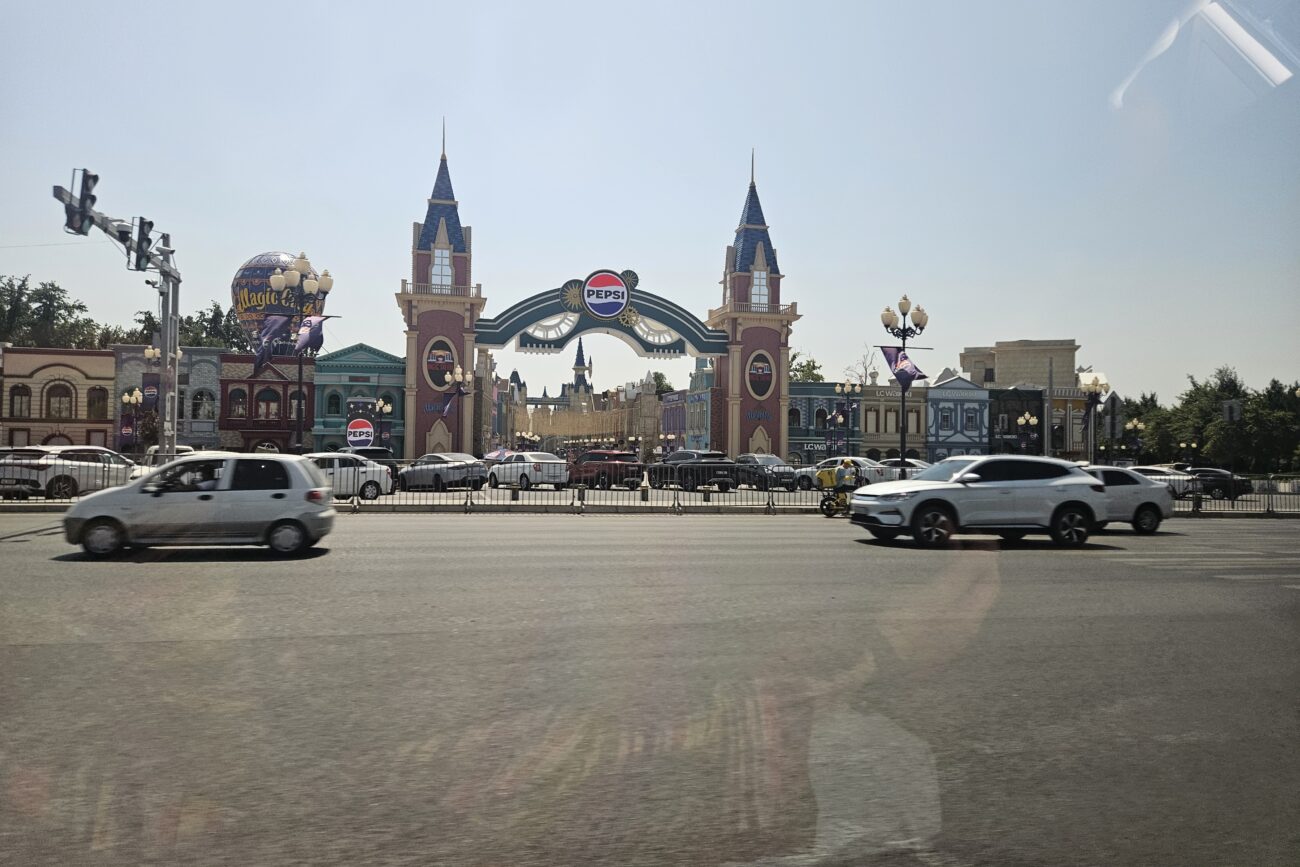
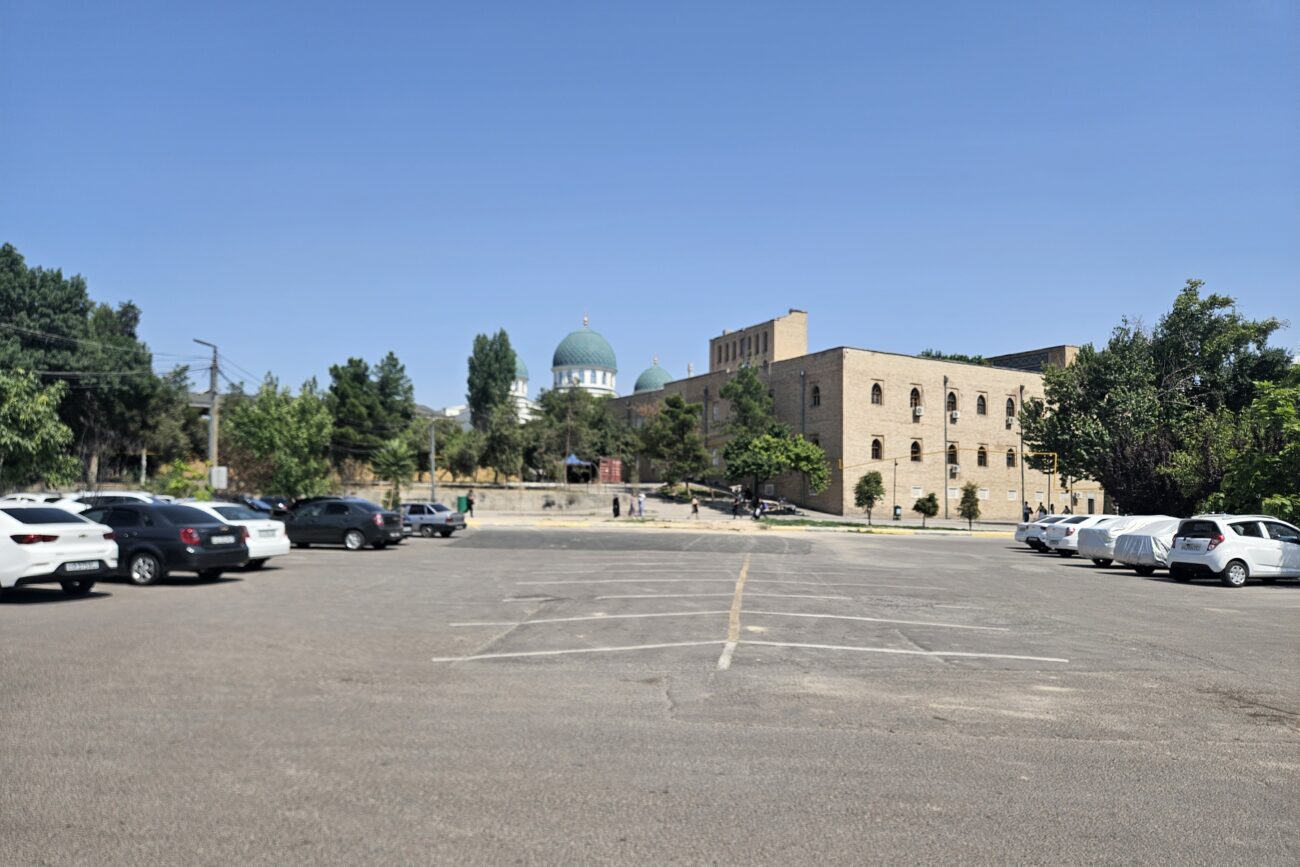
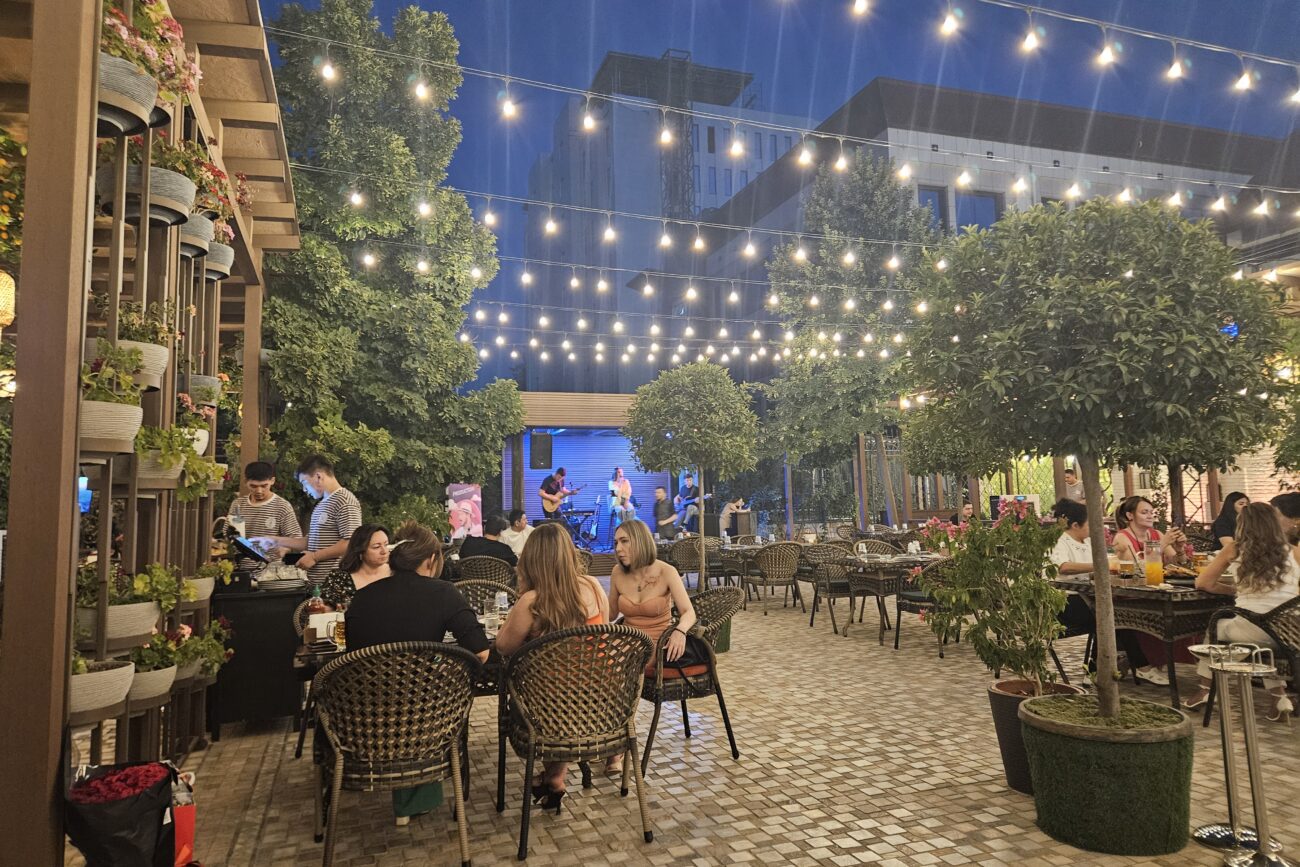
My journey begins in Tashkent, the capital of Uzbekistan. A city that combines modernity and tradition in a fascinating way. Wide boulevards, Soviet architecture, and modern cafés meet oriental bazaars, ornate mosques, and many warm encounters.



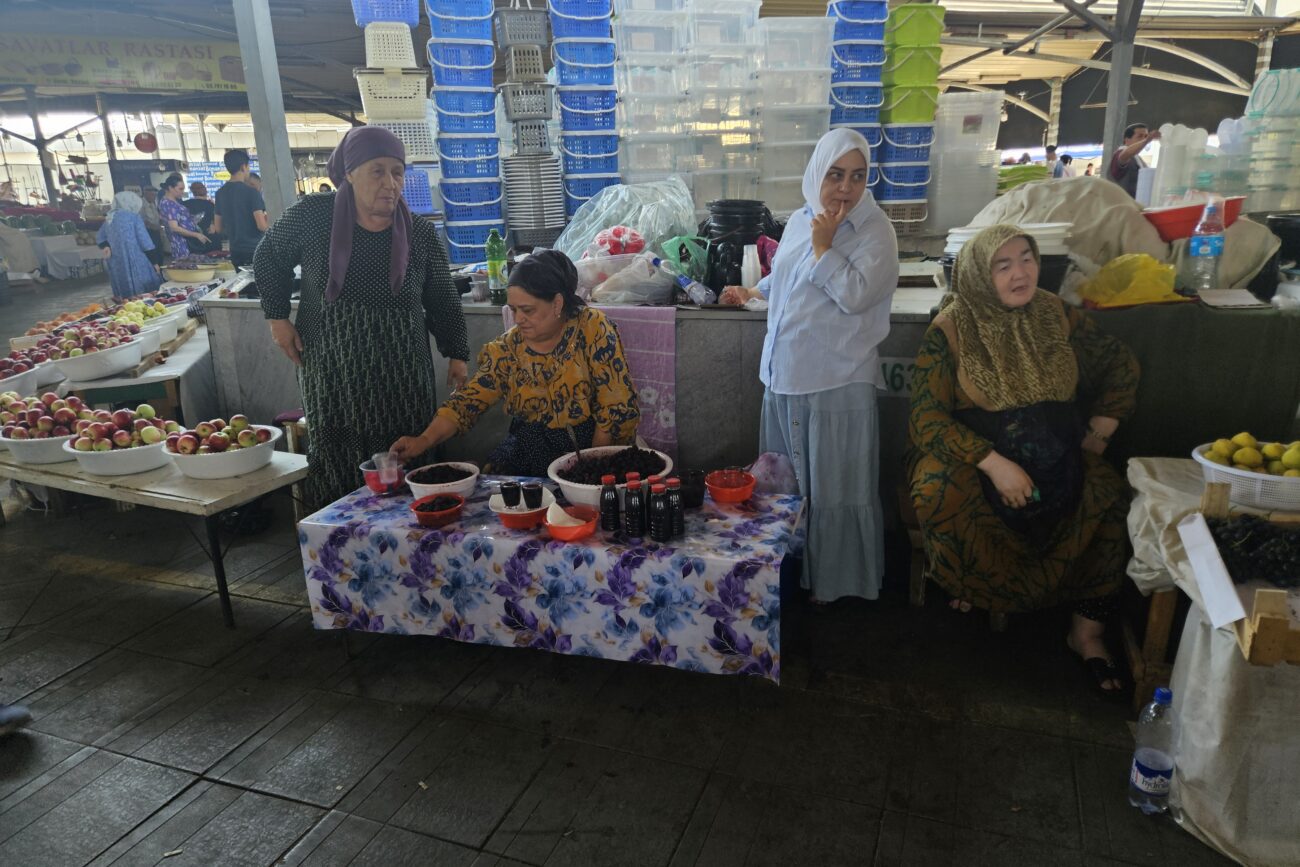
In the old town, you can stroll through narrow streets, past craft workshops and old clay houses. A must-see is the Chorsu Bazaar – the vibrant heart of Tashkent, where fresh fruit, spices, and Uzbek specialties such as plov (a rice dish with meat and vegetables), samsa (stuffed pastries), and traditionally baked flatbread are on offer. Everywhere you go, you are greeted with smiles, invitations to tea, and a sincere “welcome.” You are also welcome to join in baking bread together in the middle of a huge bakery. Knead the dough, shape the loaves, and then stamp them with a chekits. Stamping the bread is a traditional act that not only gives the bread a beautiful appearance. The dough doesn’t rise as much. And then… off to the traditional clay oven for just a few minutes. By the way, the bread is not cut with a knife but broken by hand.
Top 3 sights in Tashkent:
- Khast-Imam Complex: Home to the oldest preserved Koran in the world.
- Museum of Applied Arts: Presents traditional Uzbek crafts.
- Independence Square: Monumental Soviet and modern elements united in one place.
- Chosur Bazaar: In the center of the city, it offers fruit, nuts, dried fruit, clothing, household goods, accessories, and souvenirs.
Samarkand: Exciting culture and quiet corners
The journey continues by train to Samarkand. It only takes about 2.5 hours to travel from Tashkent to Samarkand on the Afrosiyob. Second class is comfortable, similar to the German ICE. The difference is that food is also served in second class. Small snacks, water, and tea, just like on an airplane. The ride is super comfortable, and the landscape rushing by alternates between small villages and barren landscapes. Very exciting to watch!
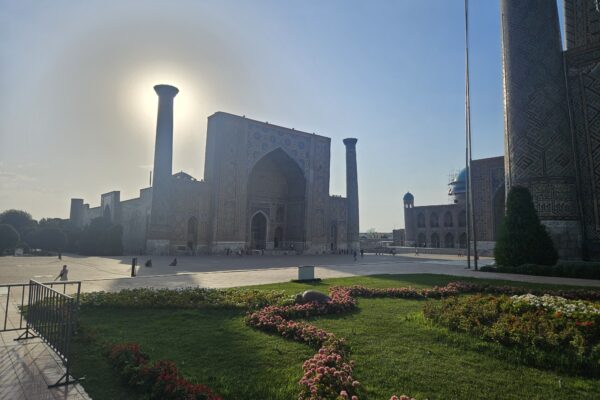
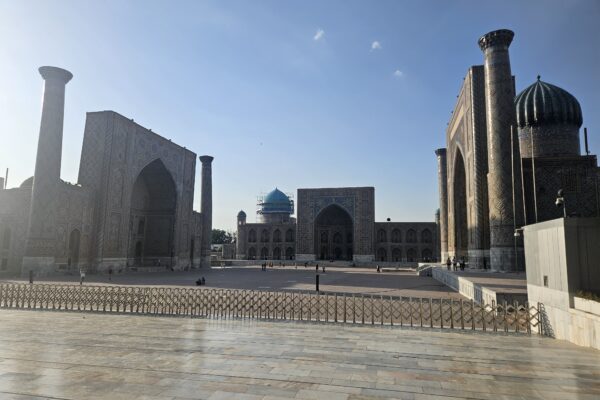
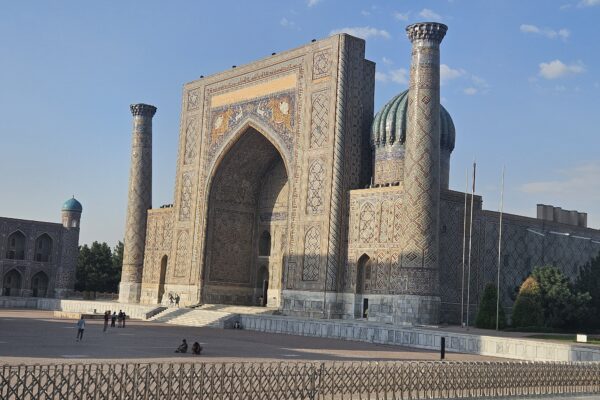
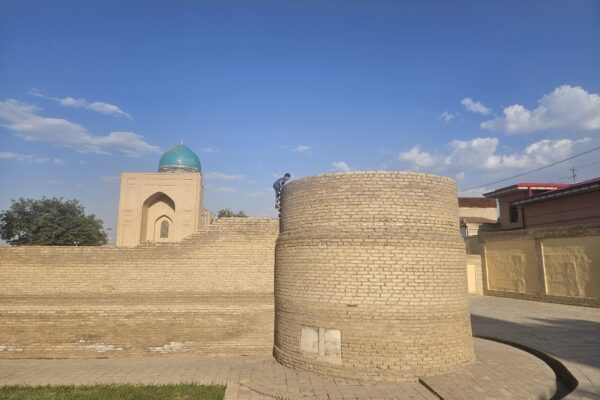
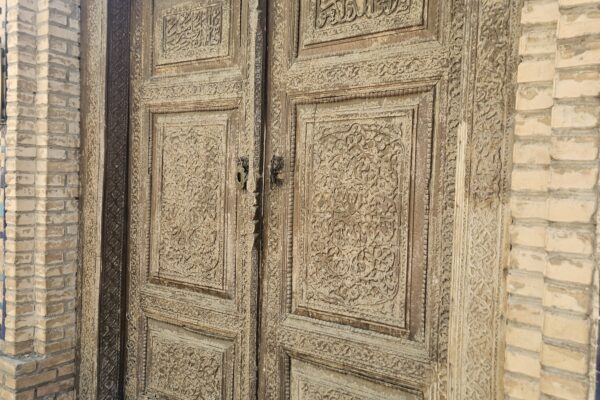
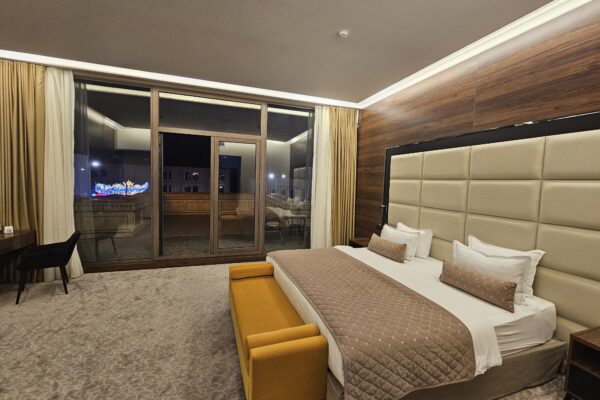
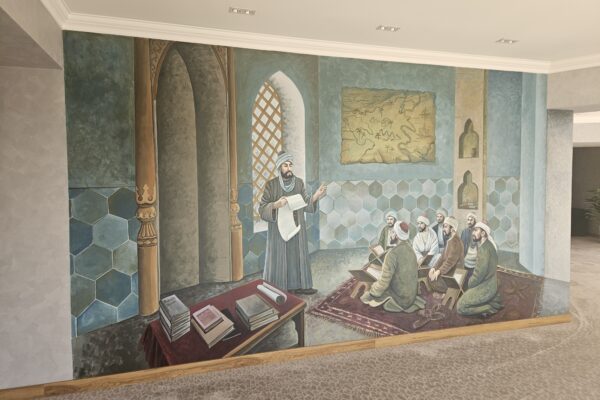
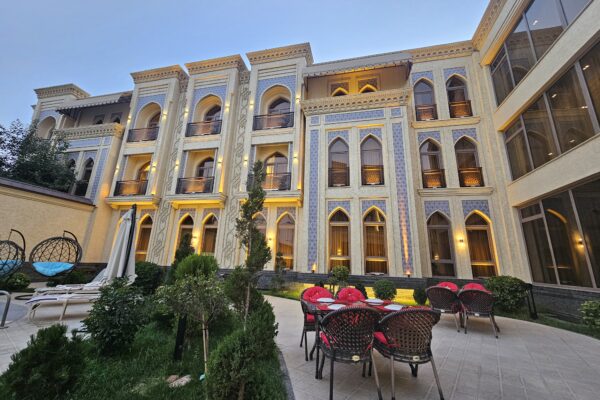
I spent three nights in Samarkand. With the help of a wonderful partner who runs her own travel agency, UZHolidays, in Tashkent, I chose the hotel and very much enjoyed my stay. Wonderful service, great food, and a fantastic spa area.
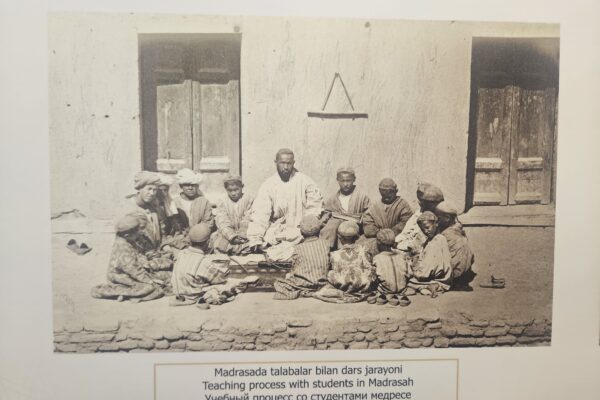
In Samarkand, I hired a local guide who showed me around part of the old town and shared impressive historical stories with me. You simply have to immerse yourself in this history! It is so impressive to learn about the rulers of the past and their achievements. As a language enthusiast, I find the changes and connections between the countries of Central Asia extremely exciting. Uzbeks understand Turks, and they can understand Tajiks because Tajik was spoken in Bukhara for a time. Persian, Islamic architecture, and later the Russian influence on the linguistic culture are simply magnificent! It’s definitely worth immersing yourself in these regions.
Things to do in Samarkand:
- Registan Square
- Ulugbek Observatory
- Shah-i-Zinda Ensemble is very impressive
- Amir Temur Mausoleum
- Bibi-Khanym Mosque
My visit to the Afrasiyab Museum was also very captivating. Grab a guide there who only guides in the museum. He is a historian and knows so much about the cultures, different tribes, and developments from Morocco to Iran to China. A walking encyclopedia and at the same time very welcoming and inspiring.
Bukhara: A living open-air museum
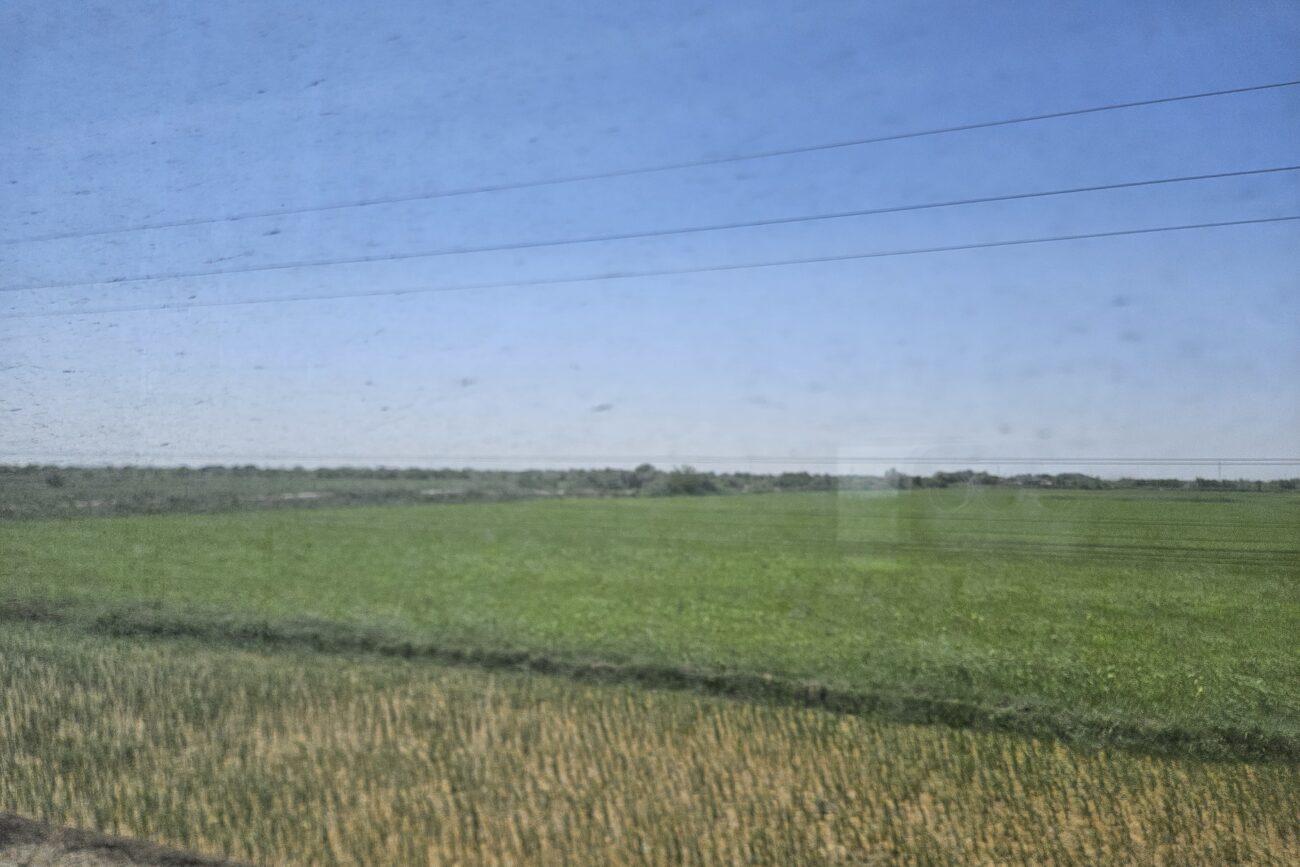
I continue my journey to Bukhara in first class on a comfortable Uzbek Railways train. The ride is smooth and offers sweeping views of the landscape dotted with cotton fields, steppe-like areas, and tiny villages.
The hustle and bustle of the train station is quickly behind us. A Yandex taxi takes me to the old town in a few minutes. Once there, you feel like you’re in a fairy tale from 1001 Nights. The old town, a UNESCO World Heritage Site, is a unique open-air museum: mud-brick buildings, madrasas with ornate tiles, mosques, and minarets tell thousands of stories from times gone by. And yet Bukhara is not just a museum town – it is alive and full of soul.
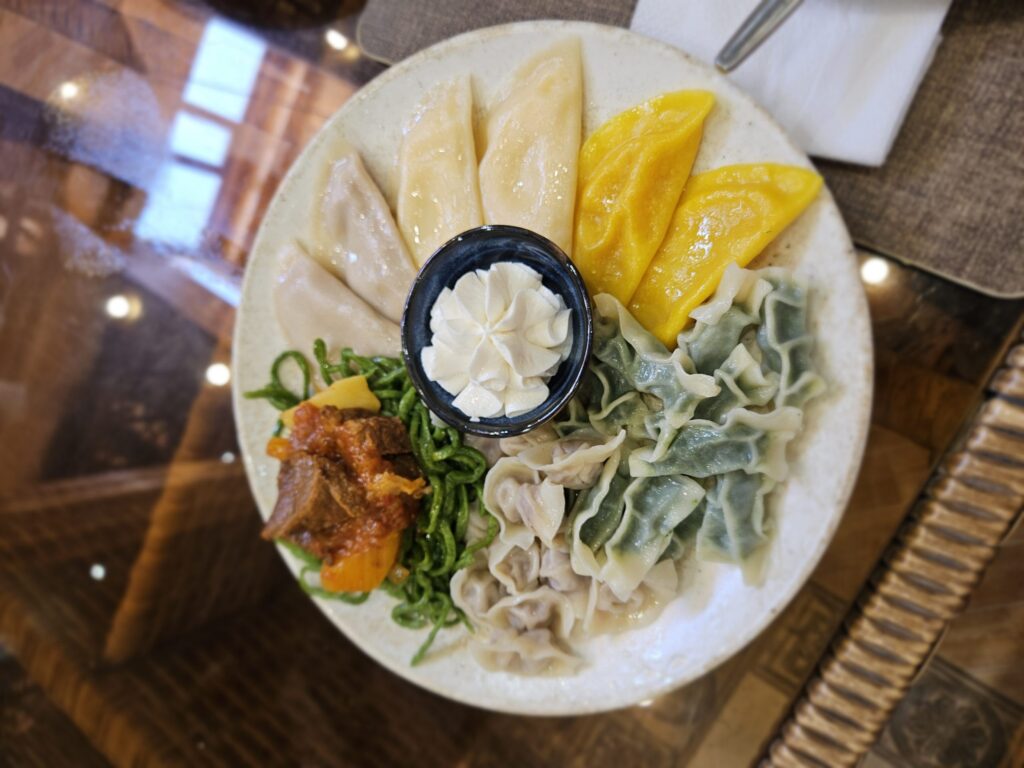
In shady courtyards, you will encounter musicians, calligraphers, and young designers who are reinterpreting old traditions. In the evening, it is worth having dinner in one of the traditional courtyard restaurants – with shashlik, lagman (hearty noodles, often fried), and halva for dessert.

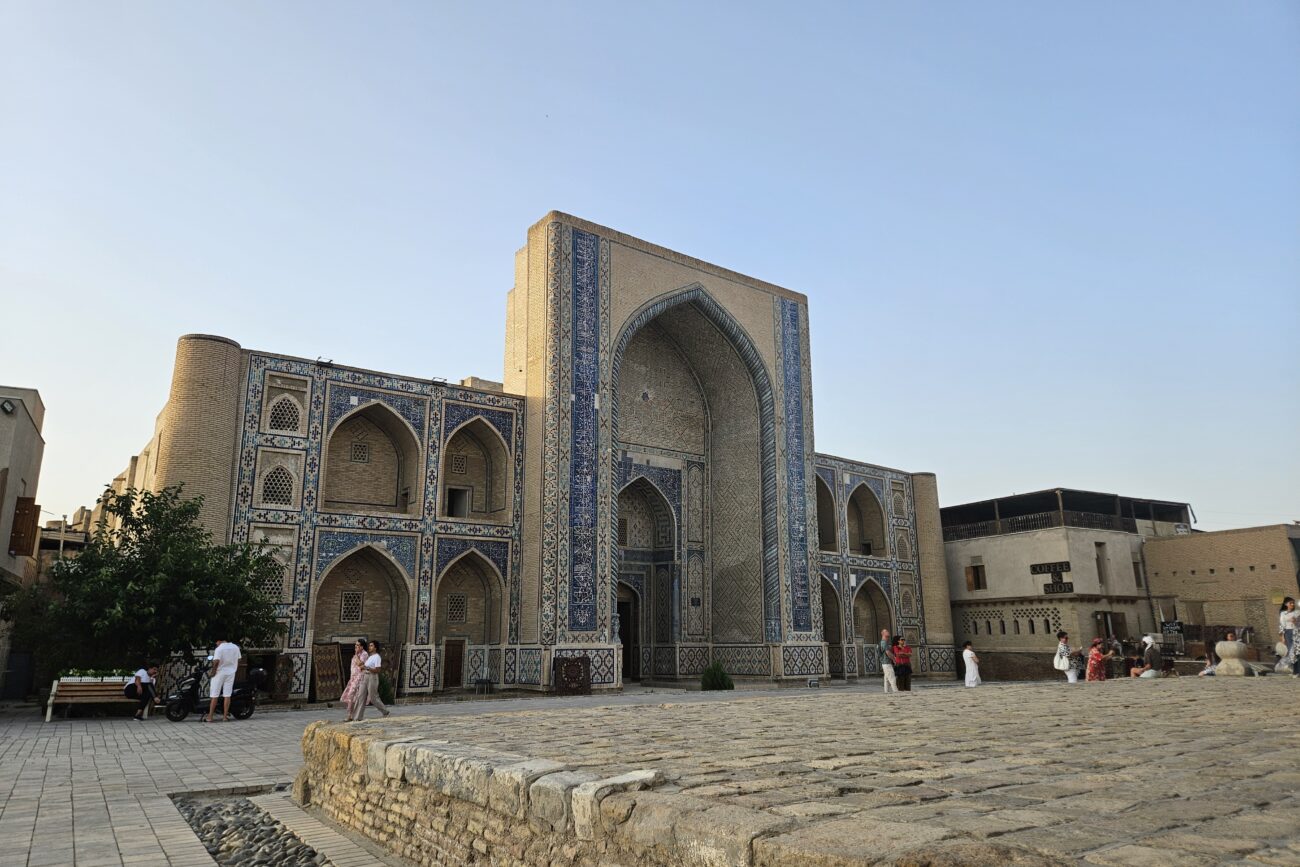
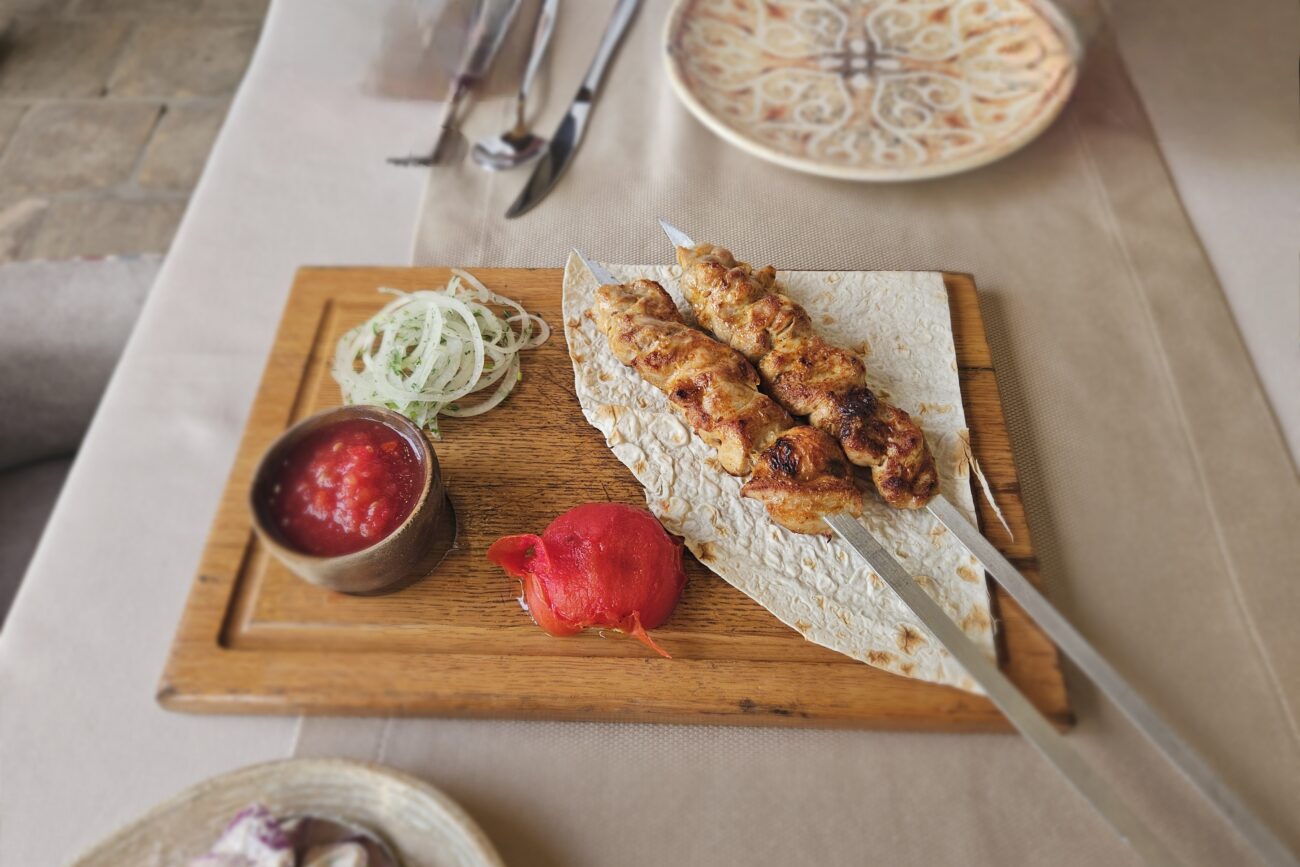

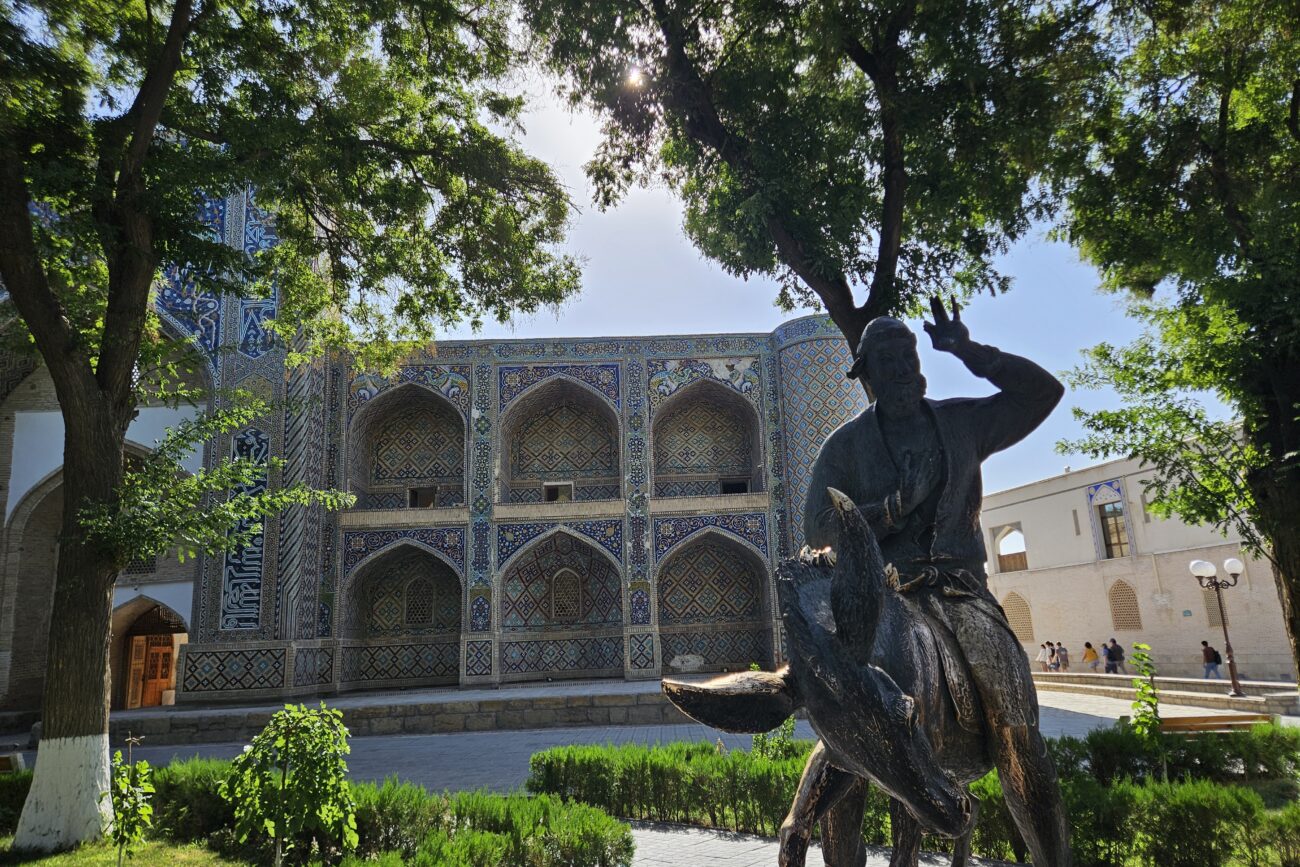
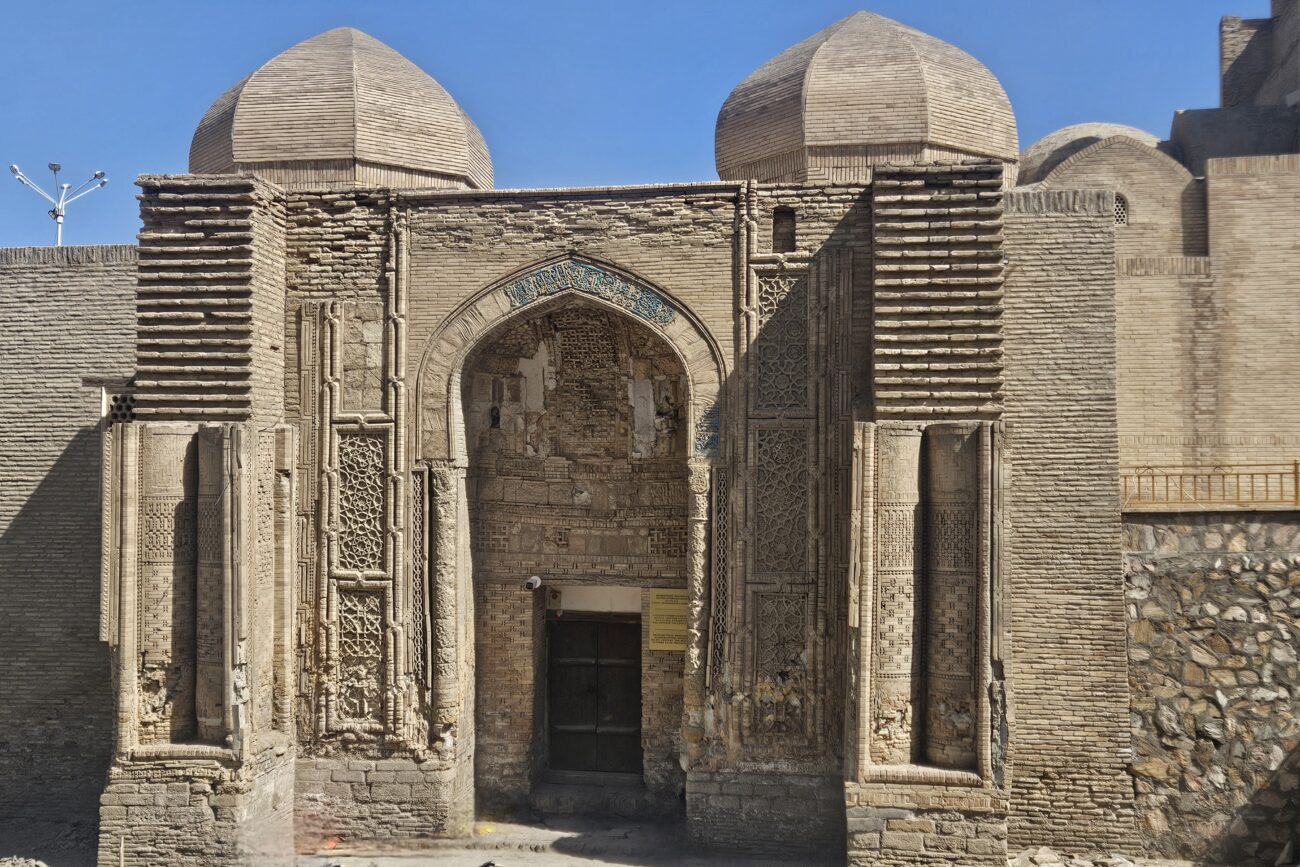
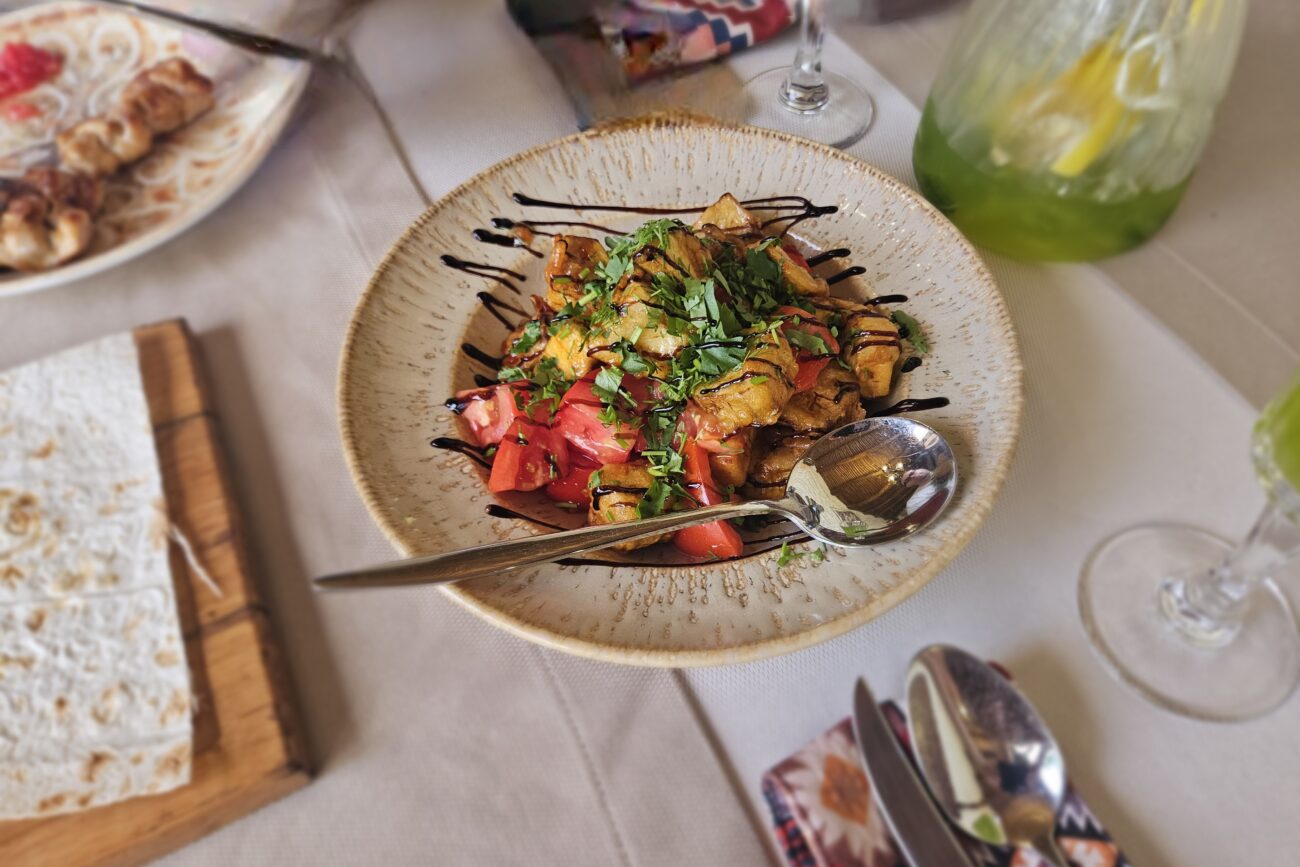

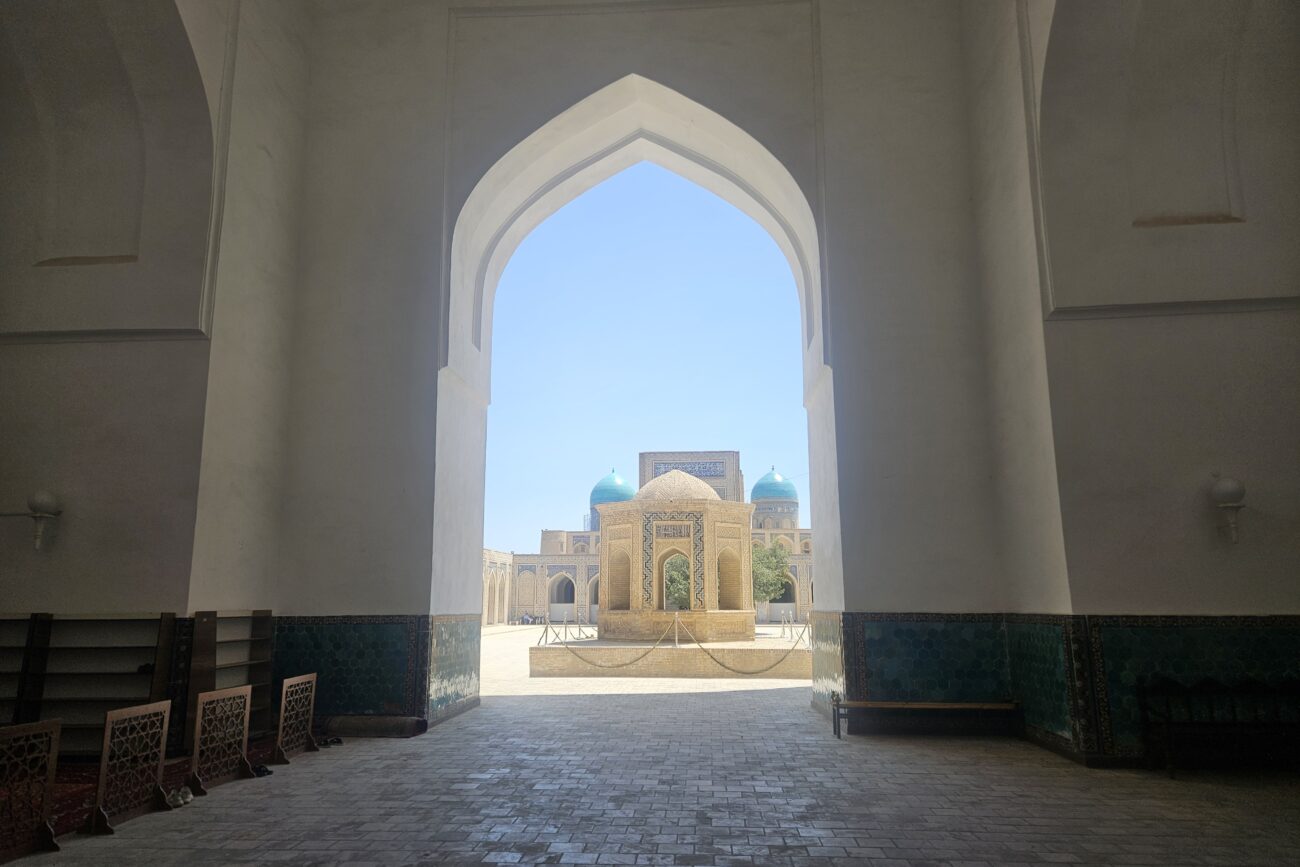
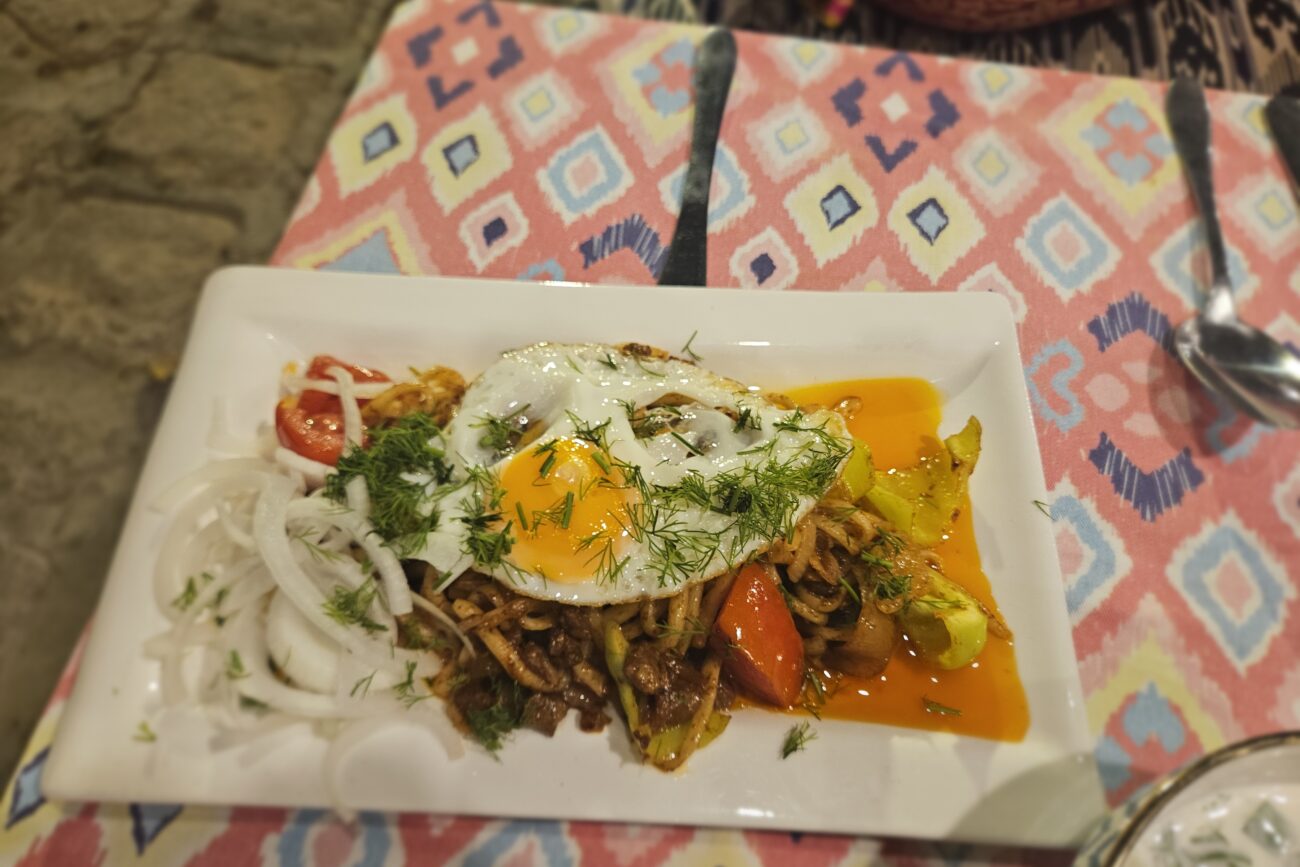


Bukhara exudes a calmness that I rarely experience in cities. Of course, the main square becomes a small tourist attraction in the evening. Colorful lights adorn trees and alleys, locals and tourists come together and enjoy the warm evening just before and after sunset. All in all, it’s a colorful hustle and bustle that blends beautifully with the surrounding buildings. I really like this place; it reminds me of times gone by that I only dreamed of as a child.
Top 3 sights in Bukhara:
- Kalon Mosque & Minaret: Majestic views and iconic architecture.
- Samanid Mausoleum: One of the oldest preserved buildings in Central Asia.
- Lyabi-Hauz Complex: A quiet place surrounded by history.
Khiva – The enchanted fortress
The next stage takes me to Khiva by night train, this time in 2nd class with a sleeping car. The journey is simple but atmospherically beautiful: conversations with fellow travelers, the scent of tea, and the rhythmic clatter of the rails under the clear starry sky of Central Asia.

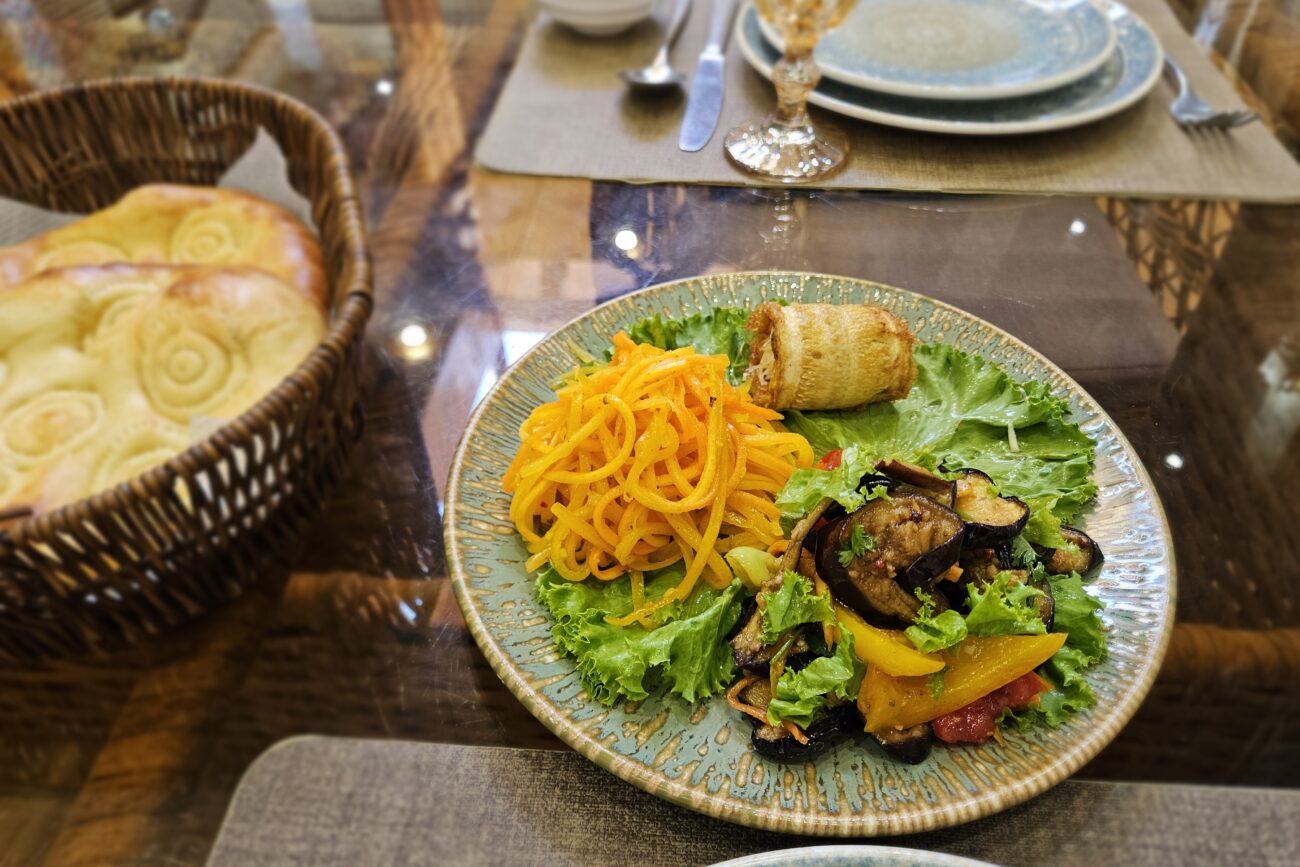
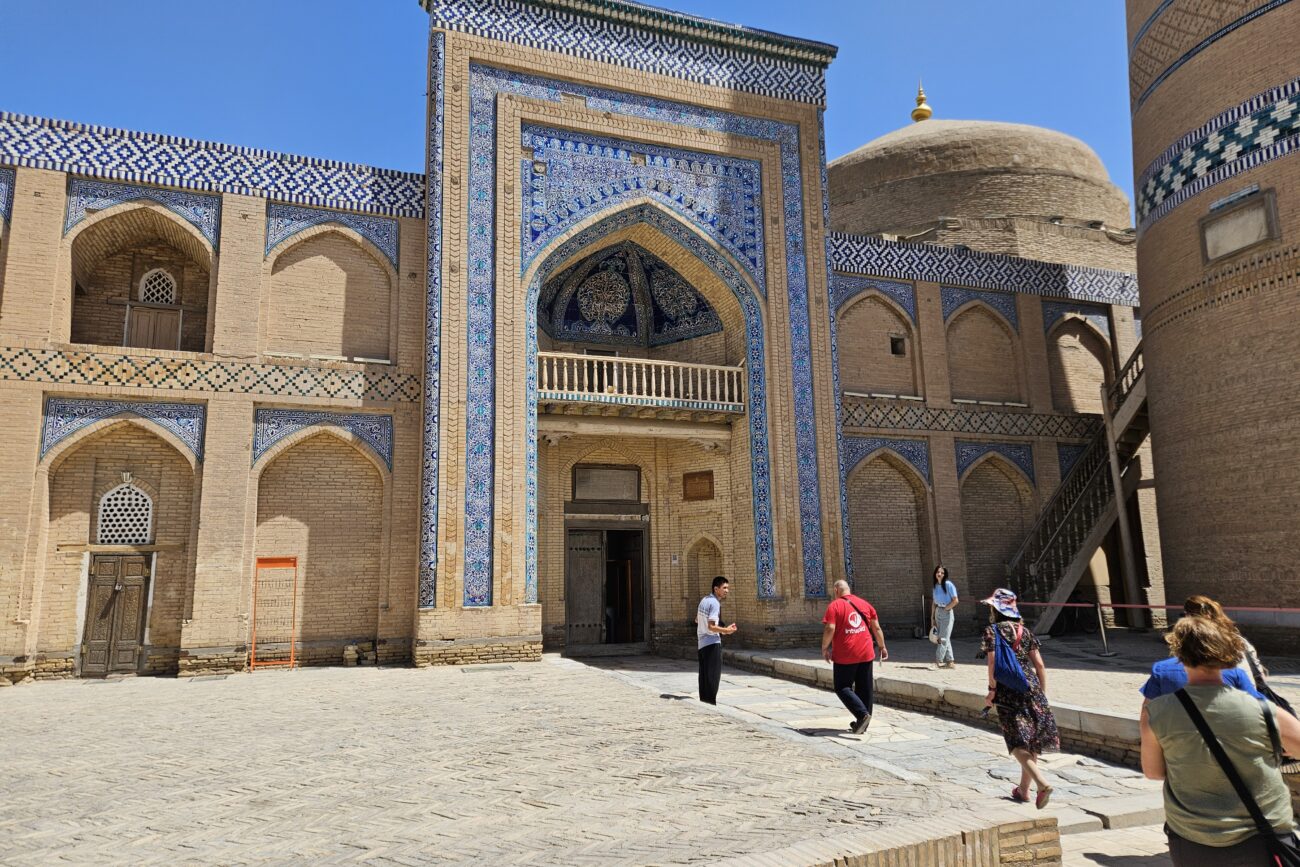
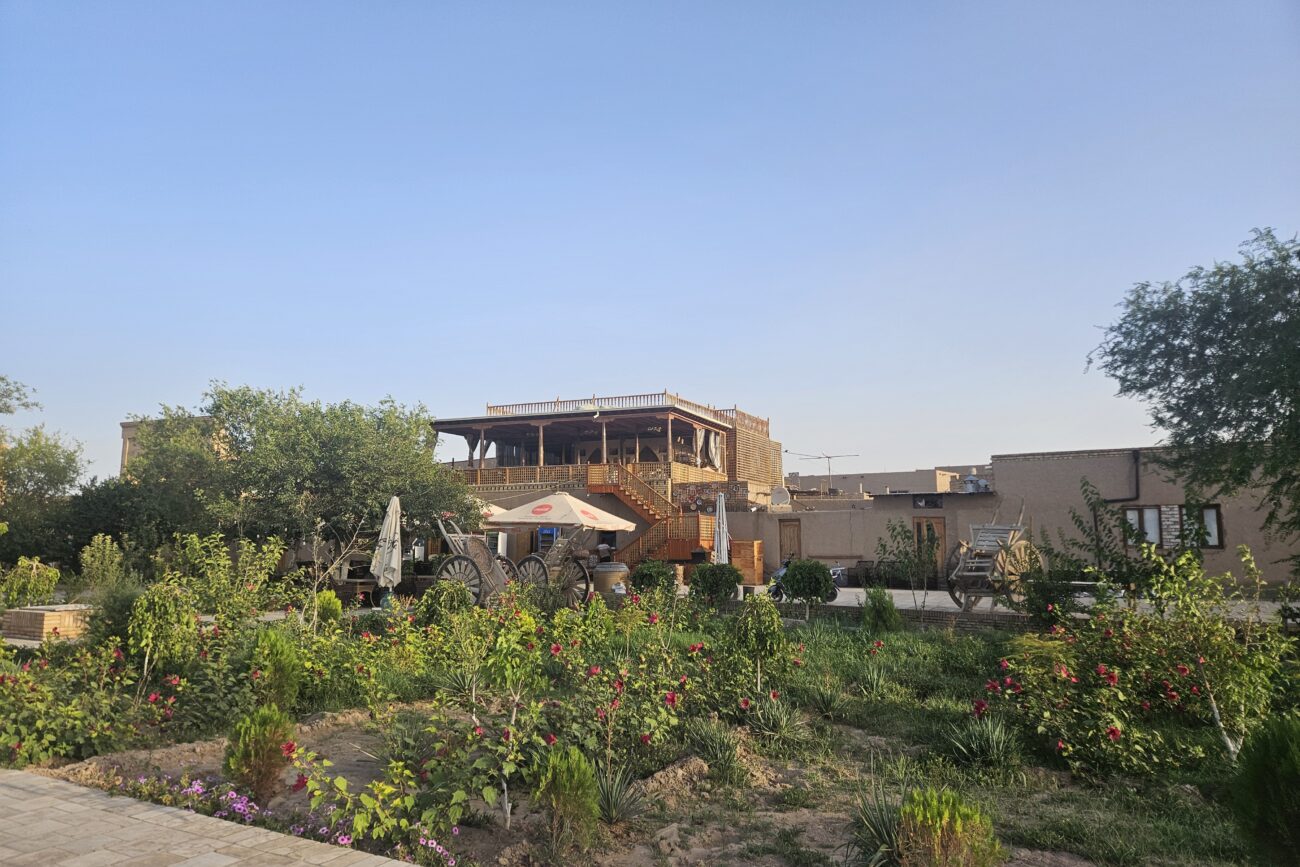
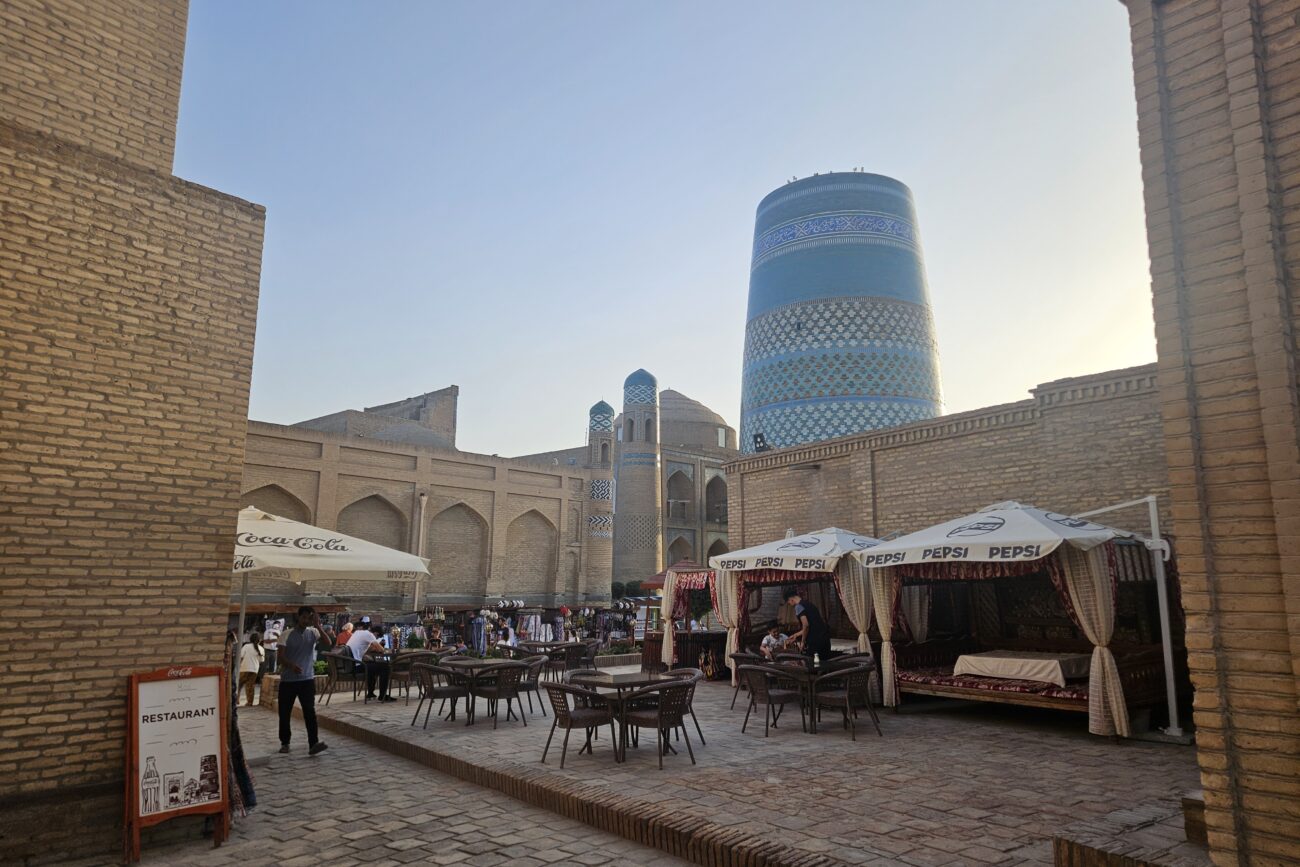
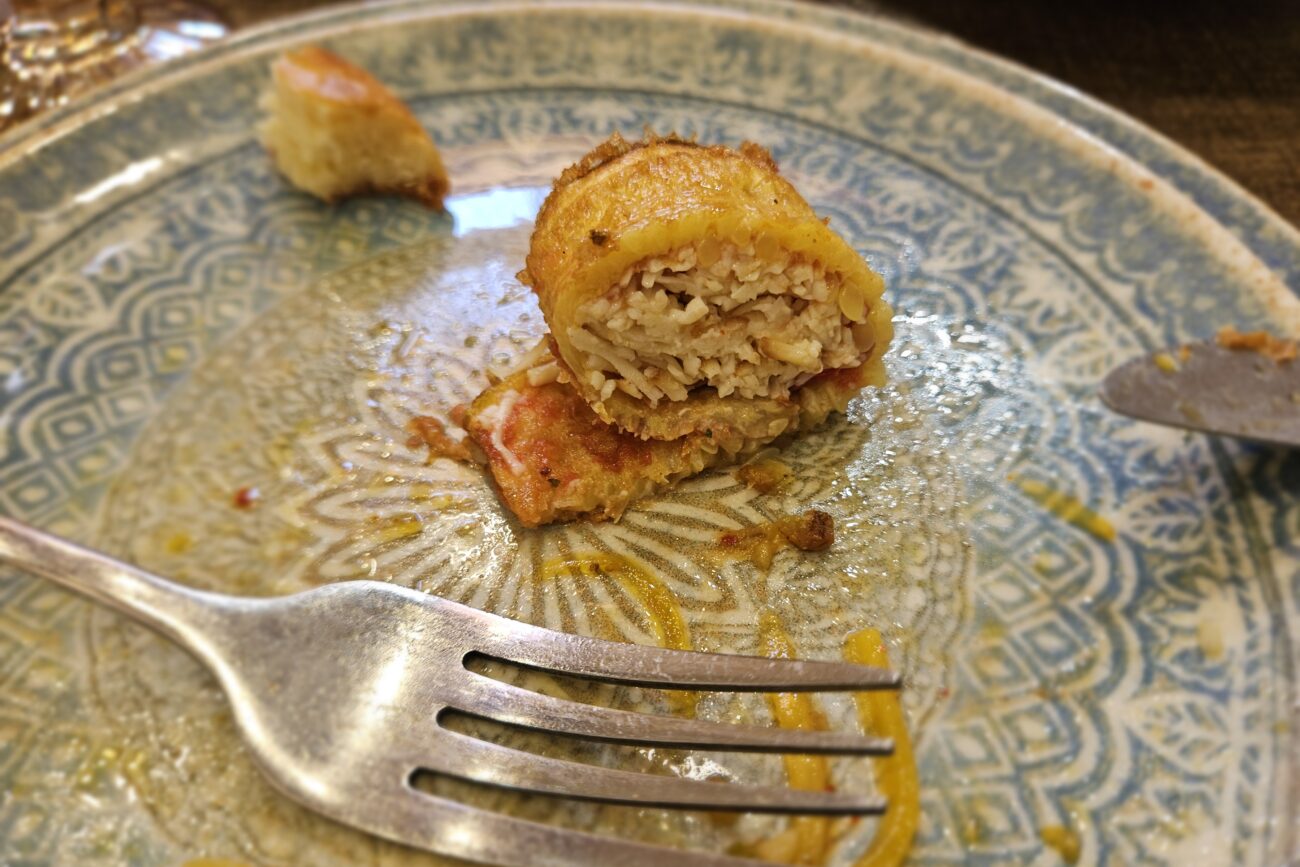
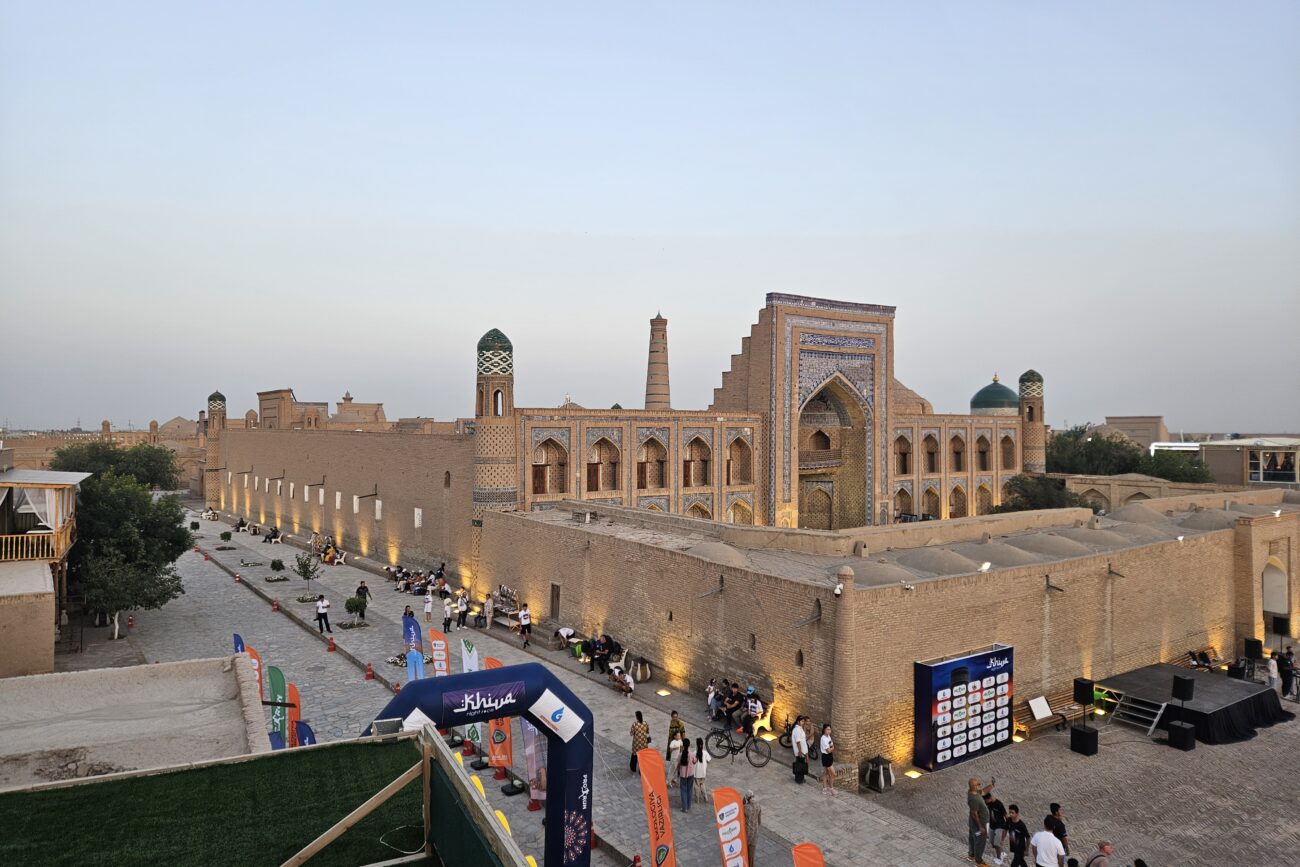
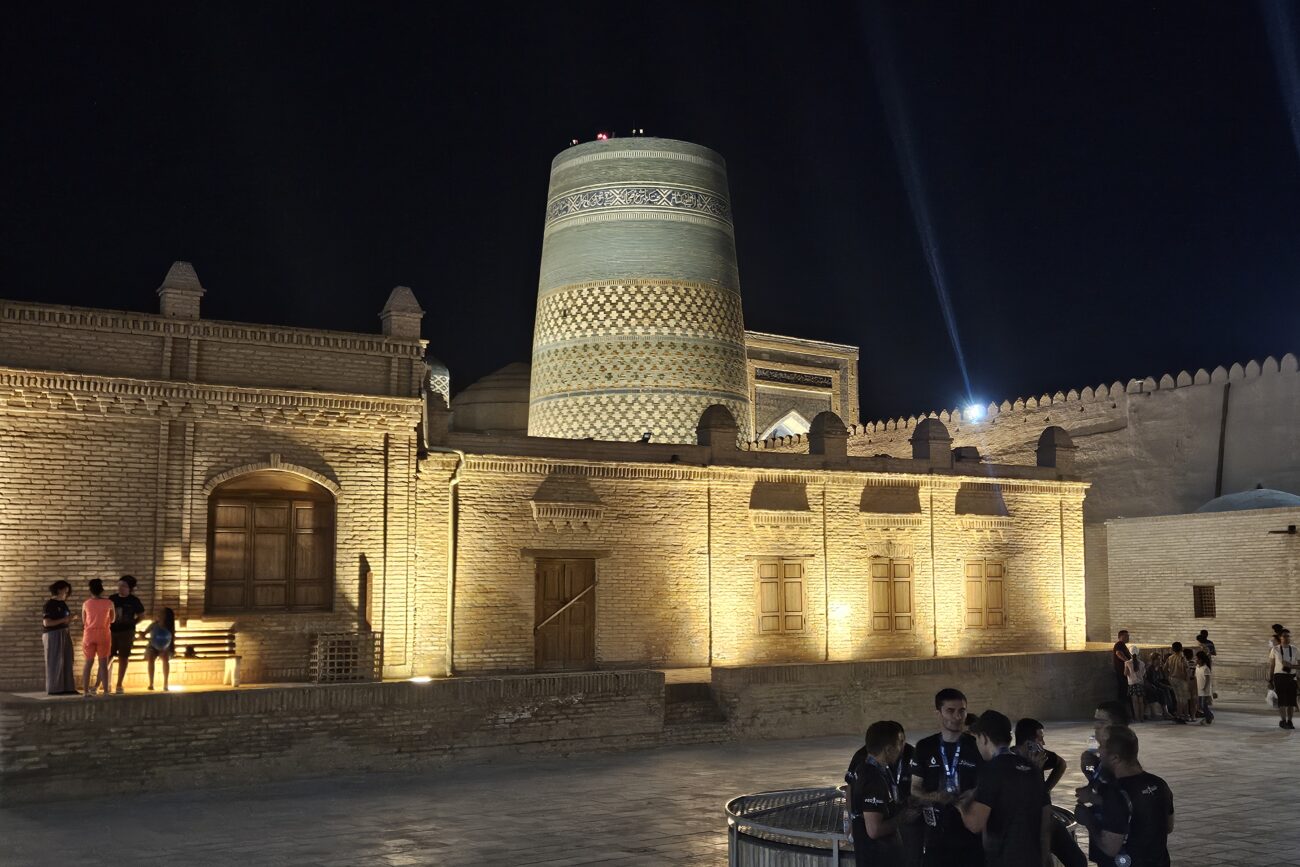

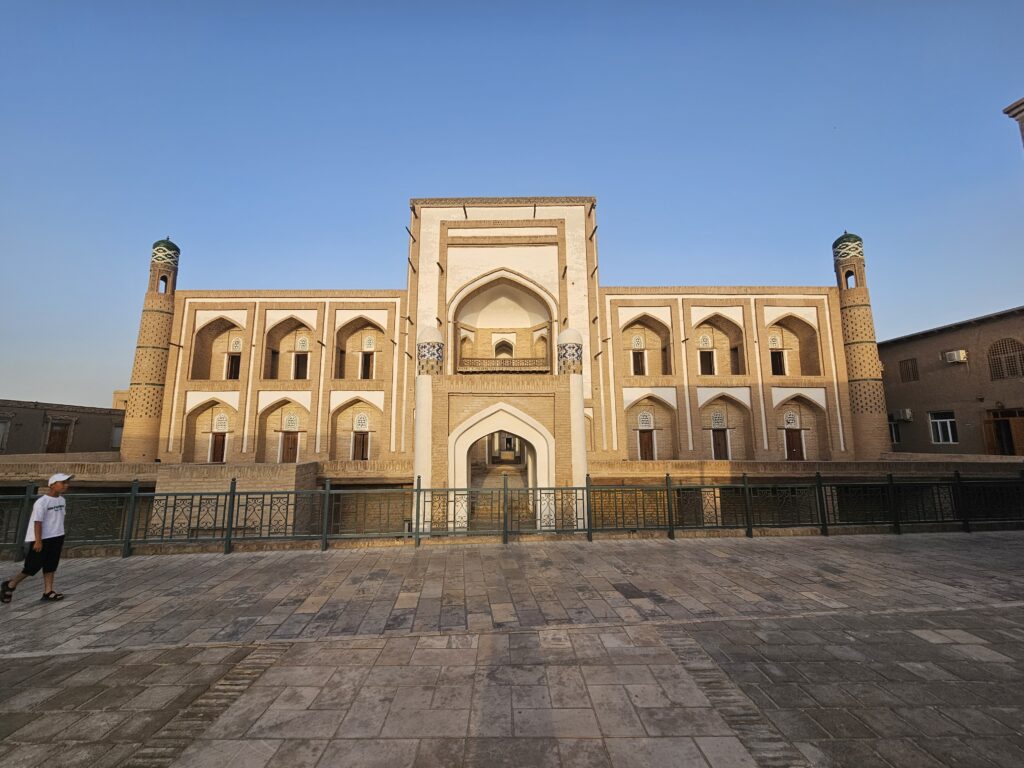
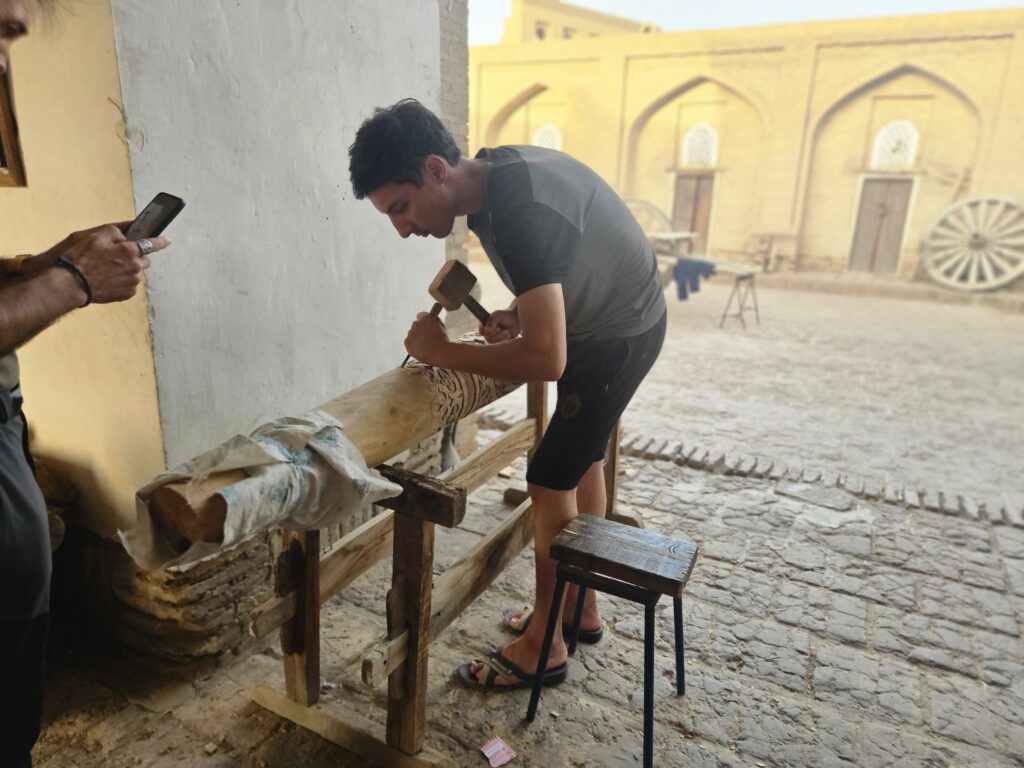
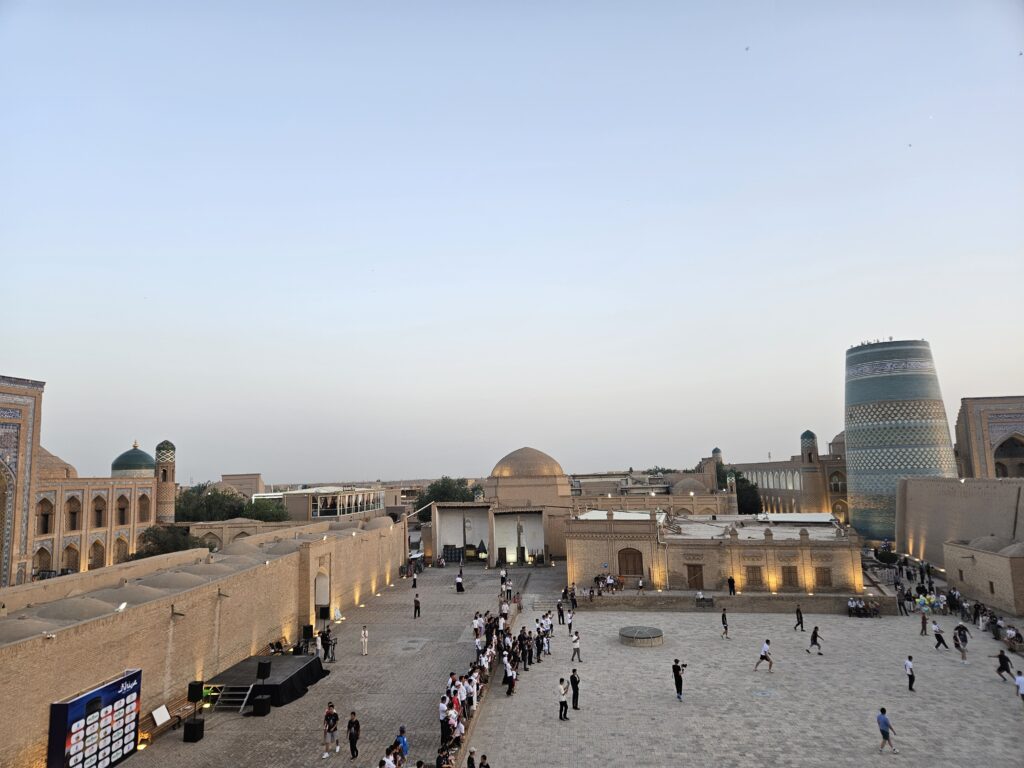
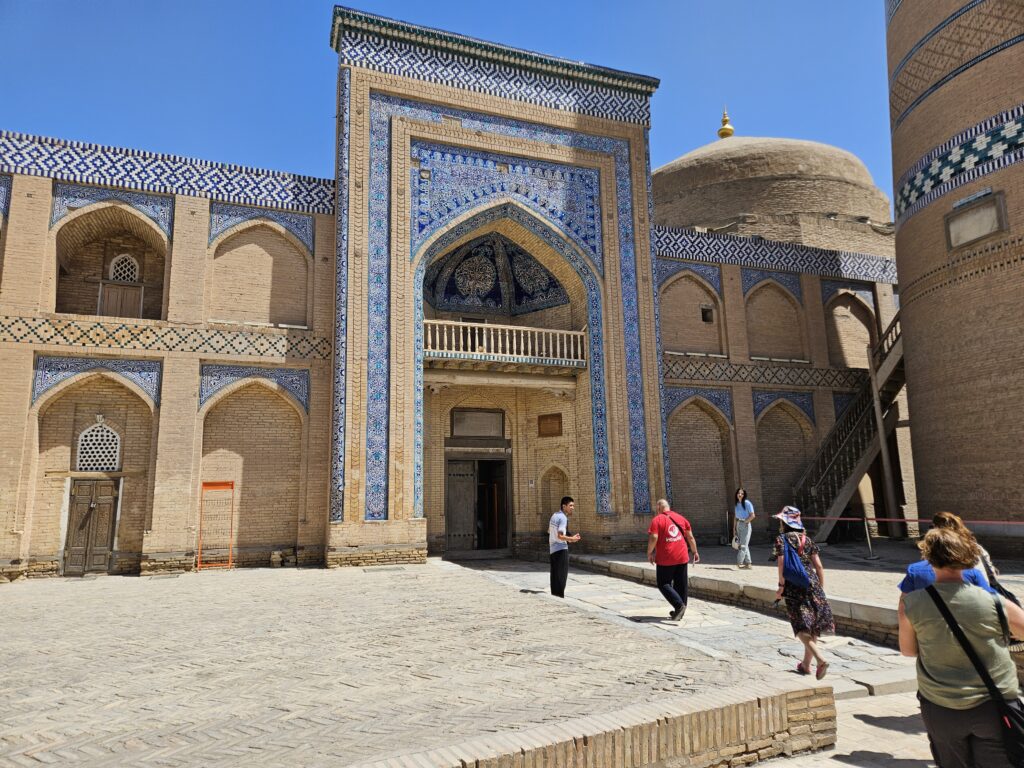
Chiwa welcomes me like a dream. The entire old town, Ichan Qala, is surrounded by enormous mud brick walls and seems to have fallen out of time. Small cafés with views of blue domes, ornate wood carvings on doors and ceilings, and the play of light and shadow in the narrow alleys make me forget everyday life. I feel catapulted into a time full of warmth, security, and fragrant dishes. I sit in the shade and watch the hustle and bustle. Children playing soccer or holding balloons, old men playing cards, and women gathering to chat. The food: almost better than in Bukhara!
Top 3 sights in Khiva:
- Kalta Minor Minaret: Known for its turquoise tiles.
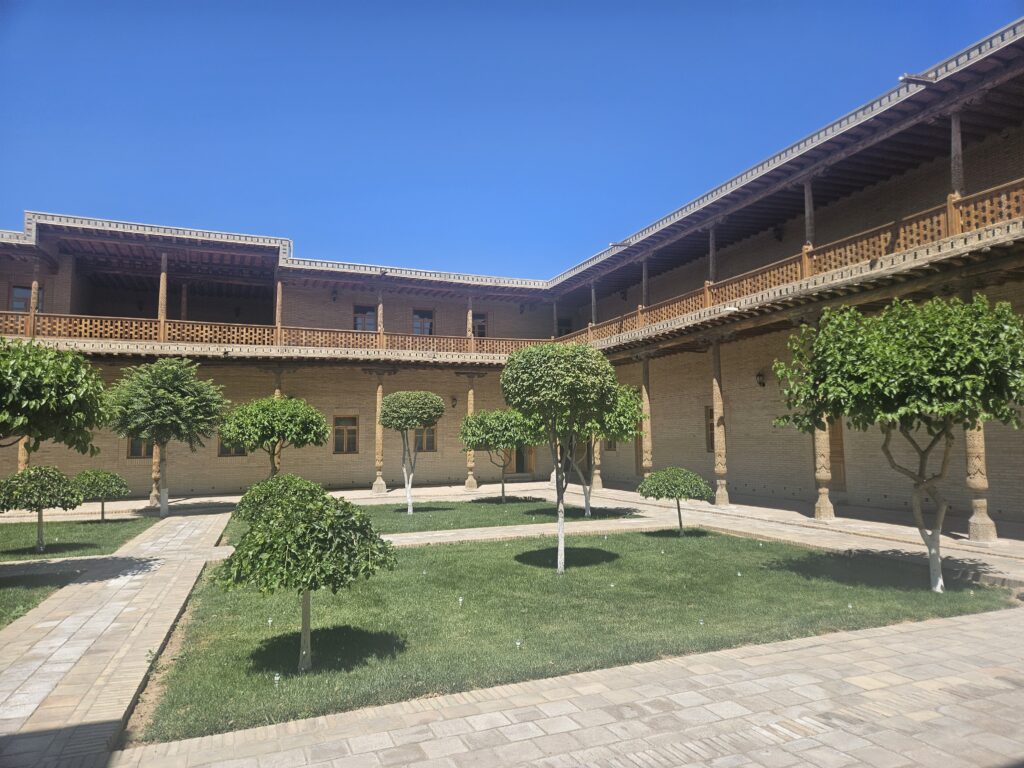
- Tash Hauli Palace: Magnificent courtyards and royal flair.
- Djuma Mosque: With 213 intricately carved wooden columns – a place of tranquility.
The soul of Uzbekistan
What makes Uzbekistan truly unforgettable is not just the monuments or the cuisine—it’s the encounters. The openness with which I, as a stranger, am treated here in this country is deeply moving. It’s the spontaneous “Assalomu alaykum” on the street, brief conversations about where you come from and where you’re going.
For me, Uzbekistan is not just a country you travel through – it is a country you feel. A place that slows you down, that teaches you to marvel and to trust. A journey for all the senses – by train through another time.
Uzbekistan remains in my heart and I will return.